
What is Fabric Pest Control?

Fabric pests can cause serious damage to homes and businesses, especially to valuable textiles and furnishings made from natural fibers. Whether you’re a homeowner worried about your wool rugs or a business managing textiles, understanding what fabric pest control entails is key to preventing costly infestations. In this article, we’ll break down the essentials of fabric pest control, focusing on identifying fabric pests, understanding their behavior, and exploring effective treatment and prevention options.
What Are Fabric Pests?
Fabric pest is one designation given to insects that feed on natural fibers such as wool, silk, fur, feathers, and animal hair. The most common culprits are carpet beetles of the family Dermestidae and clothes moths of the family Tineidae. These insects have a unique ability to digest keratin, a protein found in animal fibers, making them capable of being particularly destructive to natural materials.
Although they are in fact relatively minor inconveniences, the damages by fabric pests mount up. If left unmanaged, they will chew their way through your clothes, upholsteries, and carpets, causing unsightly holes and weak spots. Thus, the control of fabric pest infestation primarily involves early establishment of their presence and interference with their life cycles before damage caused by the insects becomes insupportable.
Common Fabric Pests
The major types of fabric pests are Carpet Beetles and Clothes Moths. Let’s look at them in detail:
Carpet Beetles
Carpet beetles feed on wool, hair, felt, silk, feathers, hides, and leather. They will not generally attack synthetics, but will damage mixed fabrics. The larvae, which are often called “wooly bears,” are the principal destroyers. Consequently, they are more abundant in dark, undisturbed areas underneath furniture, behind closet door moldings, and along baseboards.
Symptoms of Carpet Beetle Infestation:
- Skins brown and excreta cast off: Larvae, while growing, cast off brown shell-like skins and deposit small droppings.
- Bald spots: These beetles prefer to feed on the surface of woolen items and hence they cause thin or even quite bald patches.
- Presence of adult beetles:The presence of an adult beetle can be evidenced because the carpet beetles are generally found around windows and sources of light since they are attracted to the light.
Clothes Moths
The two most common species of clothes moths that attack fabrics include:
- Webbing Clothes Moth: Makes silk webbing over the surface of fabric and feeds underneath.
- Casemaking Clothes Moth: This species has for itself made a small, movable silk case that it carries with it during feeding on natural fibers.
Both types of moths prefer dark, undisturbed areas: closets, attics, and the back corners of wardrobes. Adult moths themselves do not eat fabric – it’s their larvae that are eating away at your clothes.
Signs of Clothes Moth Infestation:
- Silk webbing: It shows up on the fabric surface and is made by webbing clothes moth larvae.
- Irregular holes: clothes moths larvae attack fabrics in such a manner that the resultant holes are random and generally uneven.
- Smaller, creamy-white moths: Adult clothes moths are small and seldom observed, as they shun light.
If you come across any of these pests, consider contacting your local pest control service provider immediately.
Why Are Fabric Pests a Problem?
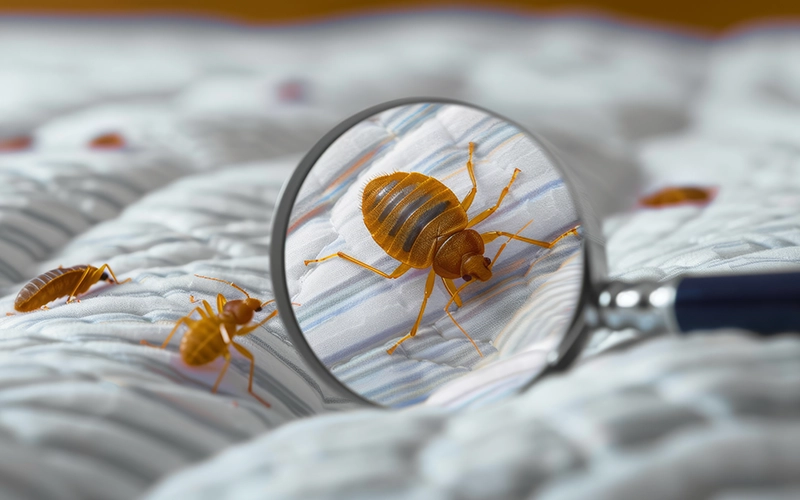
These fabric pests can create economic loss by destroying clothes, upholstery, carpets, and other fabric goods. They are of more serious concern in households that have valuable wool or silk products and industries based on textile goods. Other than the loss they shout, fabric pests are hard to be observed. Most of the infestations are not seen and hence usually remain undetected until substantial fabric loss has taken place, as these insects prefer darkened and undisturbed areas.
Besides the economic point of view, the larvae of carpet beetles can also be a mild health threat. They have got bristles on their bodies, which may cause skin irritation or any rashes upon coming in contact with human skin and are then commonly mistaken for bed bug bites.
How to prevent infestations of fabric pests:
Prevention is imperative against fabric pests. Some proactive steps need to be taken to minimize the risks of an attack and protect your home or business from potential costly damages. Following are the effective measures for prevention:
- Regular Vacuuming: Regular vacuuming can help remove larvae, shed skins, and food sources such as hair or debris on which fabric pests feed. Pay particular attention to places that are seldom disturbed, such as under furniture, along baseboards, and inside closets.
- Proper storage: Woolens, silk clothes, and all precious fabrics are to be stored in tight airtight containers to avoid the laying of eggs by the pests on the fabrics. Closets and blocks lined with cedar will keep moths away.
- Frequent cleaning: Before any woolen garments, fabrics, or textile goods are stored for the season, dry cleaning or laundering will kill all larvae and eggs that are present.
- Monitoring with Pheromone Traps: Pheromone traps will detect fabric pests that attack fabrics, such as moths and carpet beetles. The trap attracts the adults of those pests and allows you to monitor for an infestation before it gets out of hand.
- Minimize clutter: Insects infesting fabrics live in areas where more clothes, textiles, and other items stored in the darkest area and without disturbance.
Professional Fabric Pest Control Solutions
When an infestation has already taken hold, DIY methods may not be enough to fully eradicate the problem. Professional pest control services offer tailored solutions to safely and effectively eliminate fabric pests from your home or business.
Here’s how a professional service can help:
- Thorough Inspections: A trained technician will inspect your property, checking all areas where fabric pests are likely to hide, such as under carpets, inside closets, and around upholstered furniture.
- Targeted Treatment: Once the infestation is identified, the technician will use safe and effective treatments, such as insecticides or fumigation, to eliminate the pests. They will also focus on preventing future infestations by addressing the root causes.
- Safe and Efficient Methods: Professional pest control services use advanced techniques that are not only highly effective but also safe for your home or business. This ensures that fabric pests are removed without causing harm to your belongings or the environment.
- Ongoing Monitoring: For businesses in the textile industry or homes with valuable fabrics, regular monitoring and maintenance can help prevent new infestations. Professional services often include ongoing inspections and treatments to keep fabric pests at bay.
Final Thoughts
Fabric pest control is essential for protecting your valuable textiles from damage. Understanding the types of fabric pests, their behavior, and how to prevent and treat infestations can save you from the costly consequences of unchecked pest activity.
If you’ve noticed signs of carpet beetles or clothes moths in your home or business, don’t wait until the damage is irreversible. Contact Absolute Best Pest Control for a comprehensive inspection and tailored fabric pest control solutions that will safeguard your property for the long term. With professional expertise and a commitment to quality service, we’ll help you protect your fabrics from these destructive pests.
Related Posts

Woodlouse Spider in Your Home? Here’s What to Do
When it comes to unexpected household guests, spiders often top the list of unwelcome visitors.…

Flies in Your Restaurant? Here is How to Handle Them
Flies in your restaurant can quickly turn a pleasant dining experience into a customer complaint.…

How to Be Fully Prepared for a Restaurant Health Inspection
Health inspections can feel like a daunting task for any restaurant owner or manager. The…
Leave a Reply