
Flies in Your Restaurant? Here is How to Handle Them
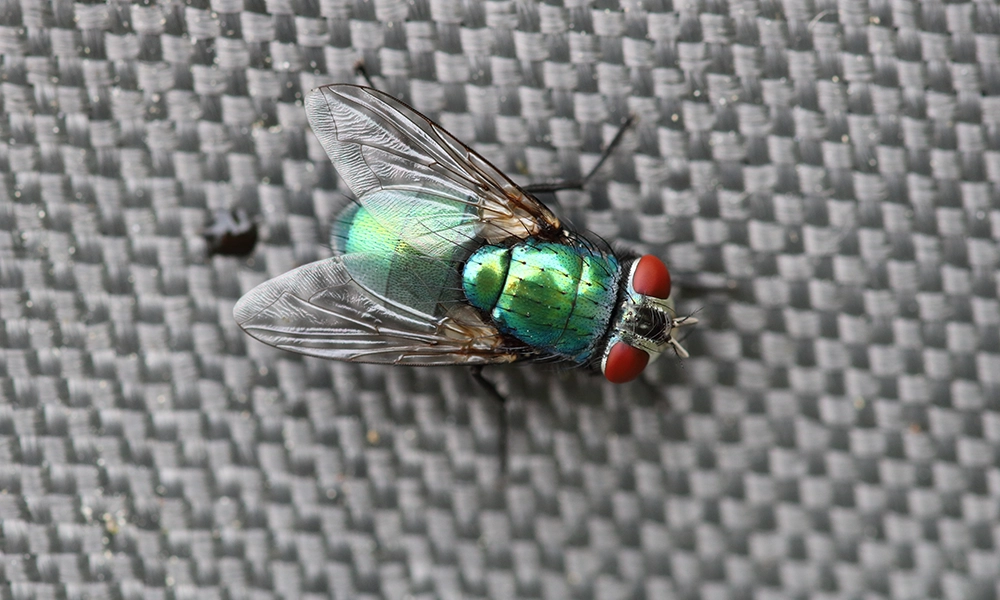
Flies in your restaurant can quickly turn a pleasant dining experience into a customer complaint. Whether it’s house flies buzzing over the tables or fruit flies swarming the bar, their presence is not only unsightly but can also harm your restaurant’s reputation and, ultimately, your bottom line. The good news is that with the right strategies, you can effectively manage and minimize these unwelcome guests. Let’s dive into actionable solutions and expert insights to keep your restaurant fly-free.
Understanding the Problem: Why Flies Love Your Restaurant
Flies are opportunistic pests that are drawn to food, moisture, and waste. For a restaurant, these are inevitable components of daily operations. Whether it’s scraps in the trash, spills on the floor, or unsealed food containers, any of these can create an inviting environment for flies. But identifying the source of the problem is half the battle.
- Dumpster Management: Flies around dumpsters are a common issue. This often signals improper bagging or infrequent cleaning.
- Drains and Grease Traps: Left unchecked, these can become breeding grounds for flies.
- Open Doors and Windows: While fresh air is nice, it also invites pests inside. Air curtains can help, but they aren’t always enough.
- Employee Practices: The lack of consistent cleanliness routines can exacerbate the issue.
By addressing these hotspots, you’re already making strides toward pest prevention. If flies continue to linger, more specific interventions may be required.
Proactive Measures to Keep Flies at Bay
Managing flies requires a proactive, multi-faceted approach. Here’s how you can take charge:
1. Start Outside
Your fly problem might not begin inside the restaurant. Inspect the areas around your building for conditions that attract flies.
- Secure Dumpsters: Ensure trash bags are tightly sealed, and clean dumpsters regularly. A quick spray with a fly repellent or bleach after each trash pickup can deter flies.
- Check the Landscaping: Overgrown vegetation, standing water, or uncovered compost piles can harbor flies. Maintain cleanliness and remove debris promptly.
2. Seal the Entry Points
Flies are persistent but predictable.
- Install Air Curtains: These create a barrier that keeps flies out while allowing doors to stay open for guests and food runners.
- Door and Window Seals: Inspect for gaps and use weather stripping to block entry points.
3. Focus on Indoor Cleanliness
Keeping your restaurant spotless is essential. Even minor lapses can invite a fly infestation.
- Clean Drains Daily: Pour bleach or enzyme-based cleaners into floor drains. This prevents breeding in the moist residue.
- Empty Trash Frequently: Replace liners and disinfect bins to eliminate odors that attract flies.
- Wipe Down Surfaces: Tables, countertops, and prep areas should be cleaned immediately after use.
Tools and Tactics: Fighting Flies Effectively
If preventative measures aren’t enough, it’s time to play offense. These tools can help you tackle flies head-on:
Fly Lights and Traps
Fly lights can be discreetly placed in dining areas or kitchens. Modern designs ensure they blend into your décor without looking unprofessional. Glue boards should be replaced regularly for optimal performance.
Natural Remedies
If you’re exploring a natural way to get rid of flies, consider using essential oil sprays with eucalyptus or citronella. These are safe for indoor use and can repel flies effectively. Sticky traps near entry points are another chemical-free option.
Professional Services
When in doubt, consult certified pest control experts. They can conduct a thorough inspection, implement Integrated Pest Management (IPM) strategies, and provide ongoing monitoring to ensure flies don’t return.
Integrated Pest Management (IPM) for Restaurants
IPM is a holistic approach to pest control that focuses on prevention and long-term solutions rather than just temporary fixes. This strategy is particularly effective for restaurants, where cleanliness and pest management go hand in hand.
Key Steps of IPM
- Inspection: Identify problem areas and entry points.
- Sanitation: Eliminate the sources of food, water, and shelter for pests.
- Exclusion: Use physical barriers like screens and seals to keep flies out.
- Control: Employ traps, repellents, or targeted treatments as needed.
- Monitoring: Regularly assess the effectiveness of implemented measures.
By incorporating IPM for restaurants, you can create a system that minimizes the risk of flies becoming a recurring issue.
How Flies Can Impact Your Bottom Line
Flies aren’t just a nuisance; they pose serious health risks. They can spread bacteria and contaminate food, potentially leading to foodborne illnesses. Beyond that, their presence can damage your reputation.
Remember, pests can eat into your profit in more ways than one:
- Negative online reviews due to visible flies.
- Health department fines or shutdowns for sanitation violations.
- Higher operational costs from dealing with recurring infestations.
Investing in preventive measures is not only good for hygiene but also essential for sustaining customer trust.
Conclusion: Long-Term Fly Prevention
Managing flies in your restaurant is an ongoing effort that requires diligence and the right tools. From securing dumpsters to implementing IPM strategies, every step you take contributes to a fly-free environment. Don’t forget the value of professional intervention when needed.
When it comes to pest management, leave no room for guesswork. Partnering with certified pest control experts ensures your restaurant stays clean, safe, and welcoming for your guests.
Take action today to protect your business from pests and preserve your hard-earned reputation. A little effort now can save you from bigger problems later.
Related Posts

Woodlouse Spider in Your Home? Here’s What to Do
When it comes to unexpected household guests, spiders often top the list of unwelcome visitors.…

How to Be Fully Prepared for a Restaurant Health Inspection
Health inspections can feel like a daunting task for any restaurant owner or manager. The…

How Office Exteriors Attract Pests & What to Do About It
When you think about pest control, your mind likely jumps to the inside of your…
Leave a Reply