
How to Get Rid of House Flies in Atlanta Naturally

House flies are more than just a nuisance; they can spread bacteria and other pathogens, contaminate food, and even lead to allergies and illnesses. In a city like Atlanta, where warm weather and humidity create ideal conditions for these pests, keeping house flies at bay requires constant vigilance. Fortunately, there are many natural ways to get rid of house flies without resorting to harsh chemicals. By focusing on prevention, sanitation, and a few easy DIY tricks, you can keep your home fly-free and safe.
Identifying House Flies and Their Habits
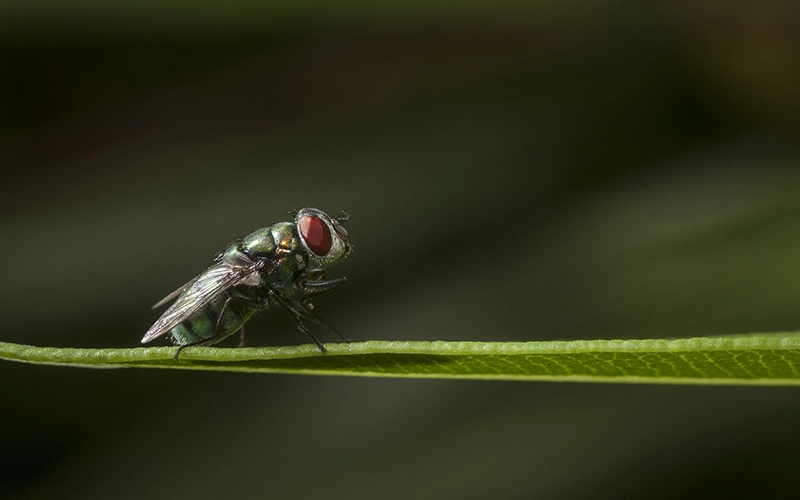
Before jumping into how to get rid of them, it’s essential to know if you’re dealing with house flies or other pests. House flies are typically gray with four black stripes on their thorax and are around 4 to 7.5 mm in length. They are often attracted to decaying organic matter, like garbage, animal feces, and overripe food.
But not all flying pests are house flies. You could be dealing with different kinds of flying insects, like gnats or flying ants, or even fruit flies or drain flies. Properly identifying the pest is the first step in choosing the right control method. If you’re unsure, consider consulting with a pest control expert to confirm what you’re dealing with.
Natural Ways to Get Rid of House Flies
There are several non-toxic, natural methods to control house flies in and around your home. These techniques focus on making your environment less appealing to flies, eliminating food sources, and trapping them before they multiply.
1. Cleanliness is Key
Flies are attracted to food scraps, garbage, and anything that produces a strong odor. The best way to prevent house flies from invading your space is by maintaining a clean home, especially in areas like the kitchen, where food is prepared and eaten.
Keep your kitchen clean: Wipe down counters, clean up crumbs, and never leave food out in the open. Be diligent about cleaning up spills and storing food in airtight containers.
Take out the garbage regularly: Ensure that garbage cans, especially in the kitchen, have tight-fitting lids. Regularly dispose of food waste to prevent the buildup of odors that attract flies.
Clean pet areas: If you have pets, ensure that their food dishes and litter areas are clean and free from waste. Pet waste can be a significant attractant for flies.
2. DIY Fly Traps
You can create effective, non-toxic fly traps using materials you likely already have at home.
Apple cider vinegar trap: Fill a small jar with apple cider vinegar and a few drops of dish soap. Cover the top with plastic wrap and poke small holes in it. Flies are attracted to the vinegar’s scent, but the dish soap will cause them to sink and drown.
Sugar water trap: Combine sugar and water in a shallow dish and place it where flies are most active. The sweet scent will lure the flies, trapping them in the sticky solution.
Both traps are simple yet effective ways to significantly reduce the fly population in your home.
3. Use Essential Oils as Repellents
Certain essential oils, such as lavender, eucalyptus, and peppermint, are natural fly repellents. You can make a spray by mixing a few drops of these oils with water and spraying it around windows, doorways, and any areas where flies tend to gather.
Lavender oil: Not only does it repel flies, but it also leaves a pleasant smell in your home.
Peppermint oil: This works particularly well to keep flies, ants, and other pests away.
Eucalyptus oil: Another great choice for naturally repelling flies and mosquitoes.
Spraying these oils regularly around your home’s entry points will create a barrier that discourages flies from entering.
4. Maintain Your Yard
Flies often breed outdoors before making their way inside, so it’s crucial to manage your yard as part of your pest control efforts. Here’s what you can do:
Eliminate standing water: Stagnant water is a breeding ground for mosquitoes and flies. Make sure to remove any sources of standing water in your yard, such as puddles, birdbaths, or clogged gutters. Consider using professional mosquito control services to prevent other pests like mosquitoes from breeding near your home.
Compost management: If you have a compost pile, keep it covered and turn it regularly to reduce the odors that attract flies. Flies are especially drawn to the decomposing materials in compost, so keeping it properly managed is essential.
Pet waste removal: Regularly clean up after your pets in the yard. Pet feces are a primary attractant for flies.
Dealing with Flies Indoors
Once flies make their way inside your home, it’s time to take action to remove them. Along with the DIY traps mentioned earlier, there are additional natural methods for keeping flies at bay indoors.
Herbs as natural repellents: Place potted herbs such as basil, mint, or rosemary around your home. Not only do these herbs deter flies, but they also add a fresh scent to your living spaces.
Flypaper or sticky traps: Flypaper is an old-fashioned but effective method of catching flies indoors. Hang strips of flypaper in areas where you notice frequent fly activity. The sticky surface traps flies when they land on it, preventing them from continuing to breed.
When Natural Methods Aren’t Enough
If natural methods fail to eliminate your fly problem, or if you’re dealing with a more severe infestation, it may be time to seek professional help. Atlanta’s warm climate provides the perfect breeding ground for flies, which can quickly multiply if left unchecked. A licensed pest control service can evaluate the situation and provide targeted solutions to rid your home of flies for good.
Conclusion: Keep Your Home Fly-Free
Flies can be an ongoing problem in a warm and humid environment like Atlanta, but with these natural fly control methods, you can minimize their impact on your home. Keeping your kitchen clean, using natural repellents, and maintaining your yard will help you manage and prevent fly infestations. And if the problem persists, you can always rely on Absolute Best Pest Control for expert assistance in keeping your home safe and fly-free.
For long-term home pest protection, always stay vigilant and address small problems before they turn into larger infestations.
Related Posts

Woodlouse Spider in Your Home? Here’s What to Do
When it comes to unexpected household guests, spiders often top the list of unwelcome visitors.…

Flies in Your Restaurant? Here is How to Handle Them
Flies in your restaurant can quickly turn a pleasant dining experience into a customer complaint.…

How to Be Fully Prepared for a Restaurant Health Inspection
Health inspections can feel like a daunting task for any restaurant owner or manager. The…
Leave a Reply