Termite Control Tips for Business Owners in Atlanta, GA
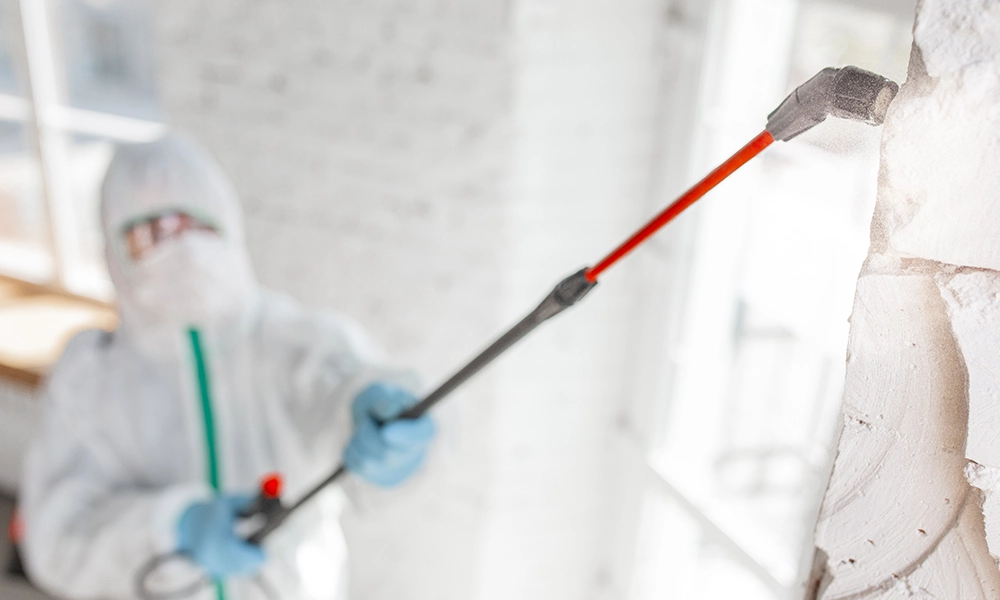
Termites are among the most damaging pests to businesses, with the potential to cause severe structural damage if left unchecked. In Atlanta, GA, where businesses often rely on strong building foundations, effective termite control becomes even more critical. Whether it’s a retail store, office building, or warehouse, termite infestations can disrupt operations and result in costly repairs. This article will walk you through why termite control is essential for your business, how to identify common types of termites, and the best strategies for protecting your property.
Why Termite Control Is Critical for Atlanta Businesses
Termites have an almost invisible way of invading structures, gnawing away at wood and other cellulose-based materials without immediate detection. For businesses, the damage isn’t just physical—it affects your reputation and operational efficiency. Delayed action can lead to repair costs in the thousands, sometimes even more.
Atlanta’s warm climate, with its high humidity, creates an ideal environment for termite colonies to thrive year-round. The termites you’ll encounter in Atlanta generally fall into two categories: drywood termites and subterranean termites, each with its distinct behavior and impact on structures.
Understanding the Threat of Termite Infestations
There are two primary termite species found in Atlanta: drywood termites and subterranean termites. While both species are highly destructive, they differ in terms of nesting habits and the extent of damage they cause.
- Drywood Termites: These termites are notorious for living within the wood they consume, and they don’t require contact with soil. They tend to create localized infestations, making them more difficult to detect.
- Subterranean Termites: The more common of the two, subterranean termites build large colonies underground and travel through mud tubes to access food sources above the ground. This type can cause extensive damage over a short period because of their sheer numbers.
Both species require professional intervention for eradication. Being aware of the differences between drywood vs subterranean termites helps in identifying potential infestations and choosing the right control method.
Signs of a Termite Infestation
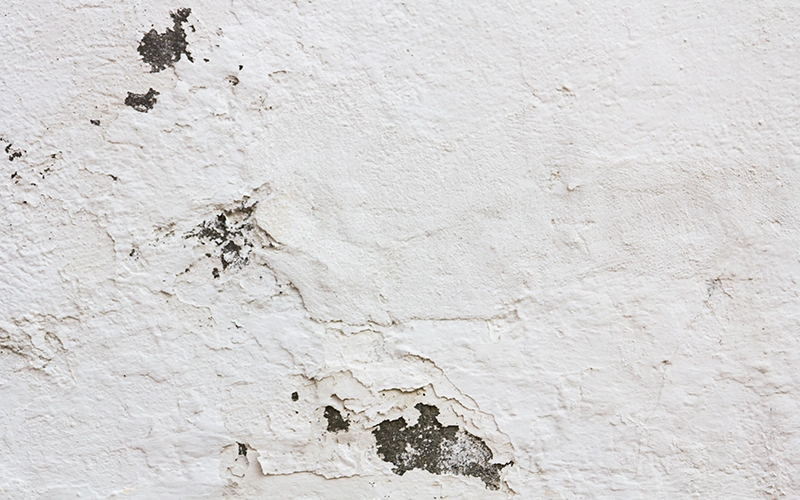
One of the biggest challenges with termite infestations is that they often go unnoticed until significant damage has already occurred. However, certain warning signs can indicate a termite infestation control is needed:
- Mud tubes along foundation walls or wooden beams. Subterranean termites use these tubes to travel between their colony and food source.
- Wood that sounds hollow when tapped. This suggests termites have eaten away the interior of the wood.
- Discarded wings near windows or doors. Swarming termites shed their wings after mating, a clear sign that a colony is nearby.
- Frass (termite droppings) near wooden structures. These small, pellet-like droppings are typically left behind by drywood termites.
If you observe any of these signs, it’s crucial to act quickly. The longer you wait, the more expensive the damage becomes, not to mention the impact on your business operations.
Proactive Termite Control Strategies
The best defense against termites is a proactive approach. Here’s how you can protect your business property:
Regular Termite Inspections
Routine inspections by a pest control professional can help detect the early stages of termite activity. In an environment like Atlanta, yearly inspections are recommended due to the favorable conditions for termites. These inspections help you identify problems before they become serious, allowing for timely intervention.
Termite Reticulation System
One of the most effective termite prevention methods is a Termite Reticulation System. This advanced system involves laying chemical barriers beneath or around the building’s foundation, ensuring that termites are deterred before they can enter. The system is designed for long-term protection, as it allows for easy replenishment of chemicals without disrupting business operations.
This type of termite defense is ideal for commercial properties that need consistent and reliable protection against subterranean termites, making it a smart investment for Atlanta business owners.
Moisture Control
Since termites thrive in humid environments, controlling moisture levels around your property is essential. Ensure that water doesn’t accumulate around the foundation by maintaining proper drainage systems and promptly fixing any plumbing leaks. You should also monitor air conditioning units and gutters for excess moisture.
Wood Treatment
Consider applying termite-resistant treatments to wooden structures in your building. Specialized wood treatments make it difficult for termites to feed on these materials, providing an additional layer of protection.
Bait Systems
In addition to chemical barriers, many businesses opt for termite bait systems. These systems attract termites, which carry the poison back to the colony, effectively eradicating the problem at its source. A combination of bait systems and regular inspections can significantly reduce the risk of infestation.
When to Seek Professional Help
Despite your best efforts, sometimes termite infestations can still occur. In such cases, professional intervention is essential. Professional pest control companies, such as Absolute Best Pest Control, have the knowledge and tools to handle termite infestations effectively. We can assess the extent of the problem, provide targeted treatment, and ensure long-term protection for your business.
Professional services not only focus on eradicating the existing colony but also on preventing future infestations through preventive measures tailored to your business’s specific needs.
The Costs of Neglecting Termite Control
Neglecting termite control can lead to significant long-term consequences for your business. Structural damage caused by termites often requires costly repairs, which can disrupt business operations for extended periods. Additionally, the impact on your reputation can be difficult to recover from, particularly if your business relies on maintaining a pristine environment, such as restaurants, hotels, or retail establishments.
Protecting your business now ensures you avoid unnecessary expenses in the future, keeping your property and your reputation safe.
Conclusion: Invest in Pest Control Solutions for Business
Termite control is an investment in the longevity and safety of your business. Whether you’re dealing with drywood termites, subterranean termites, or a combination of both, regular inspections and professional treatment can make all the difference. Be proactive in maintaining your property, and don’t hesitate to seek help if you suspect an infestation.
For effective, long-lasting results, rely on Absolute Best Pest Control. We specialize in providing pest control solutions for businesses, ensuring your Atlanta property remains termite-free year-round.
Related Posts

Woodlouse Spider in Your Home? Here’s What to Do
When it comes to unexpected household guests, spiders often top the list of unwelcome visitors.…

Flies in Your Restaurant? Here is How to Handle Them
Flies in your restaurant can quickly turn a pleasant dining experience into a customer complaint.…

How to Be Fully Prepared for a Restaurant Health Inspection
Health inspections can feel like a daunting task for any restaurant owner or manager. The…
Leave a Reply