
How to Get Rid of Wood Ants Effectively at Home in Atlanta, GA
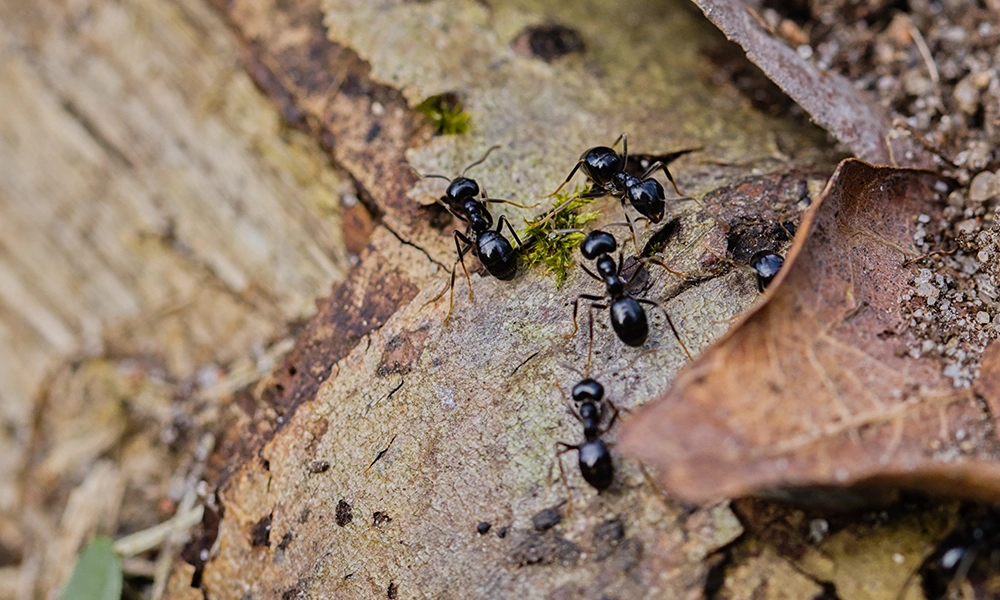
If you’ve started noticing large, black ants moving along your baseboards or small piles of sawdust near wooden structures in your Atlanta home, it’s likely that you’re dealing with carpenter ants. Unlike other ants that are mainly a nuisance, carpenter ants can cause structural damage to your property if not addressed promptly. They are known for hollowing out wood to make their nests, which can ultimately compromise the stability of your home. Let’s dive into how you can effectively get rid of carpenter ants in Atlanta, GA, and protect your house from further damage.
Identifying Carpenter Ants in Atlanta, GA
Before tackling the problem, it’s important to properly identify if the ants you’re seeing are indeed carpenter ants. Carpenter ants are larger than typical ants, usually black, red, or a combination of both. They often create smooth, clean tunnels in wood, which may lead to piles of wood shavings resembling sawdust, also known as “frass.”
These ants are most active during warmer months, especially here in Georgia, where the warm climate is ideal for their nesting and feeding activities. They can enter your home through tree branches, utility wires, or any small cracks and gaps. In Atlanta, where wooden homes and structures are common, it’s particularly important to be vigilant during the spring and summer months when carpenter ants are most active.
Signs of a Carpenter Ant Infestation
Knowing the signs of a carpenter ant infestation is crucial for taking action early. Here are some common indicators:
Sawdust Piles: Carpenter ants don’t eat wood like termites; instead, they excavate it to make their nests. This leads to small piles of sawdust-like material near wooden surfaces, door frames, and other areas of the home.
Rustling Noises: If you hear faint rustling sounds within the walls or wooden structures, this could indicate carpenter ant activity. These sounds are produced when the ants move within their galleries.
Visible Ants: Carpenter ants are larger than many other ant species, making them easier to spot. If you see large, black ants inside your house, particularly near water sources like sinks or bathrooms, you could be dealing with carpenter ants.
Damaged Wood: The ants create hollow, smooth tunnels inside wooden structures. Damaged wood that sounds hollow when tapped could indicate a carpenter ant infestation.
What Attracts Carpenter Ants to Your Home?
Carpenter ants thrive in environments where they can access wood and moisture. Here are some of the key attractants that might draw these pests to your home:
Moisture: Carpenter ants are often found in areas where moisture is present. Leaking roofs, faulty plumbing, and damp basements provide ideal nesting conditions.
Decayed Wood: Unlike termites, carpenter ants prefer wood that has already begun to decay. This makes old, damp, or rotting wood particularly appealing.
Food Sources: Like other ants, carpenter ants are attracted to sugary foods. They will forage through your kitchen for crumbs, spilled liquids, and even pet food.
Outdoor Vegetation: Trees, bushes, and firewood piles close to the house can also act as entry points for carpenter ants. These ants will use branches and vegetation as a bridge to get into your home.
Effective Methods to Get Rid of Carpenter Ants in Atlanta
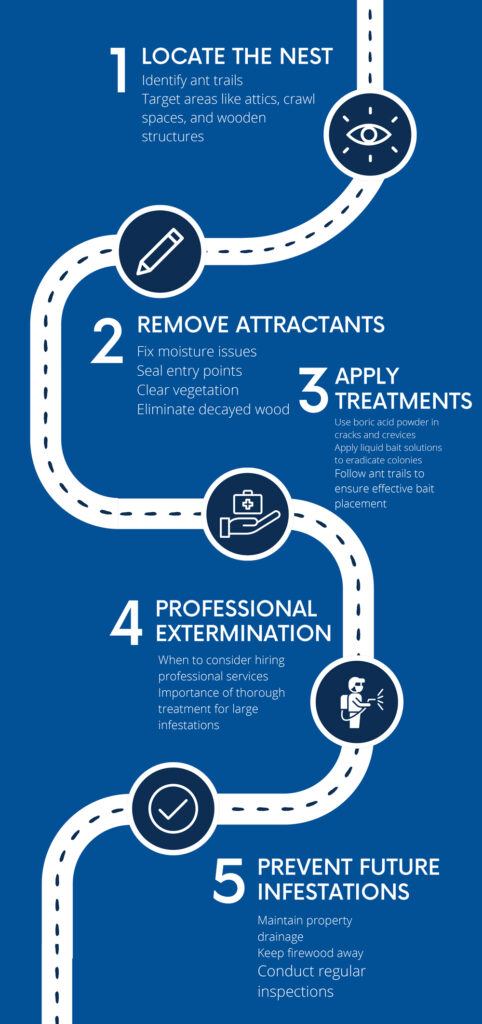
1. Locate the Nest
To effectively get rid of carpenter ants, you first need to locate their nest. This can be challenging, as carpenter ants often have satellite nests in addition to their main colony. If you see a trail of ants, follow them to see where they are headed. Common locations include the attic, crawl spaces, behind walls, or within moist wood.
2. Remove Attractants
The next step is to remove anything that attracts carpenter ants to your home:
- Repair Leaks: Fix any leaky pipes or faucets. Moisture is a primary attractant for carpenter ants.
- Seal Entry Points: Caulk any cracks or gaps in walls, doors, or window frames that could serve as entry points for the ants.
- Clear Vegetation: Trim trees and bushes that come into direct contact with your house to prevent easy access.
- Eliminate Rotting Wood: Replace any wood that has begun to decay, whether it’s within your home or outside.
3. Using Baits and Insecticides
Some products for carpenter ant control that are available in stores contain boric acid—an odorless, nonstaining powder that kills ants and other pests. Boric acid has herbicidal, fungicidal, and insecticidal properties, making it effective for carpenter ant control.
Boric acid can be used as a dry powder or in liquid insect bait solutions. The powder adheres to an ant’s exoskeleton, and when the ant grooms itself, it ingests the powder. The powder form can be injected into cracks and crevices, where it forms a layer of dust that sticks to carpenter ants as they pass through. Ingesting this poison can lead to their death.
Additionally, liquid ant baits that include a food attractant are effective at eliminating entire colonies. The worker ants carry the bait back to the nest, effectively poisoning other ants, including the queen.
4. Professional Carpenter Ant Extermination
If you’re dealing with a particularly large infestation, hiring a professional pest control service may be the best solution. Professionals have access to powerful insecticides and other methods that can effectively eliminate carpenter ants and prevent future infestations. At Absolute Best Pest Control, we offer comprehensive pest control services that will help ensure your home stays free from carpenter ants.
5. Prevent Future Infestations
Once the current infestation is under control, it’s crucial to take steps to prevent carpenter ants from returning.
- Maintain Proper Drainage: Ensure that the soil around your home is properly graded to keep water from pooling near your foundation.
- Keep Firewood Away from the Home: Store firewood and other wood materials at least 20 feet away from your home to reduce the chances of attracting carpenter ants.
- Regular Inspections: Conduct regular inspections of your home’s exterior and attic for signs of carpenter ant activity. Look for signs like sawdust piles or visible ant trails.
Natural Remedies for Carpenter Ants
For those interested in natural methods of pest control, a few effective strategies can help manage carpenter ants without harsh chemicals:
Vinegar and Water Solution: A mixture of equal parts vinegar and water can be sprayed directly on ant trails to disrupt their pheromone paths. This solution will not kill the ants but will make it harder for them to communicate, eventually forcing them to relocate.
Essential Oils: Oils such as tea tree oil, lemon oil, and peppermint oil are natural deterrents for carpenter ants. Mixing these essential oils with water and spraying the solution on areas where ants are active can help repel them.
Diatomaceous Earth: This is a fine powder made from fossilized aquatic organisms. Diatomaceous earth can be sprinkled in areas where carpenter ants are spotted. When ants come into contact with it, the sharp particles cut into their exoskeleton, leading to dehydration and death.
How to Protect Your Home Year-Round
In Atlanta’s warm and humid climate, preventing carpenter ants is an ongoing effort. Here are some tips to keep your home ant-free year-round:
Regular Maintenance: Inspect and maintain your home’s siding, windows, doors, and other potential entry points.
Tree and Yard Maintenance: Keeping trees and bushes trimmed reduces the chances of carpenter ants entering your home. Fallen branches or dead trees should also be removed from your property.
Moisture Control: Fix any leaks and consider installing dehumidifiers in areas like basements and crawl spaces to reduce humidity levels. Carpenter ants thrive in moist environments, so reducing moisture can help keep them away.
DIY vs. Professional Help: Which Should You Choose?
While DIY methods like using boric acid or natural solutions can be effective for small infestations, larger carpenter ant problems often require professional intervention. Here’s why:
- Experience and Equipment: Professionals have the training and specialized equipment to effectively locate and eliminate ant nests that may be difficult to access.
- Preventative Measures: A professional exterminator will not only eliminate the existing problem but also take steps to ensure that the ants do not return. This is particularly important when dealing with pest problems like carpenter ants, which can be notoriously challenging to eradicate entirely.
- Safety: Using insecticides improperly can be dangerous to pets and family members. Pest control professionals know how to apply these substances safely and effectively.
If you’re in Atlanta and struggling to control carpenter ants, hiring Absolute Best Pest Control can provide peace of mind and ensure that your home remains structurally sound and pest-free.
When Carpenter Ants Meet Other Pests
Carpenter ants aren’t the only pests that can threaten your home in Atlanta. Termites are also a significant concern and can cause extensive damage to wooden structures. Understanding the difference between these pests and the unique signs of each can help ensure you take the right action. If you’re also dealing with termites, we recommend checking out our specialized termite defense plans.
Additionally, fire ants are another common pest that homeowners in Atlanta need to watch for. While not as damaging as carpenter ants, fire ants can be aggressive and cause painful stings. If you need help with removing fire ants, our expert team can provide effective solutions for your yard and outdoor spaces.
Conclusion
Dealing with carpenter ants in your Atlanta home can be challenging, especially if the infestation is extensive. Early detection and intervention are key to preventing significant structural damage. By identifying the signs of an infestation, removing attractants, and using effective treatment methods, you can keep your home safe from carpenter ants.
If you’re unsure of the extent of the infestation or need a more powerful solution, professional pest control services can help ensure these damaging insects are eliminated for good. At Absolute Best Pest Control, we offer pest control plans for every budget to help protect your home year-round from carpenter ants and other pests. Contact us today to learn more about how we can assist you.
Related Posts

Woodlouse Spider in Your Home? Here’s What to Do
When it comes to unexpected household guests, spiders often top the list of unwelcome visitors.…

Flies in Your Restaurant? Here is How to Handle Them
Flies in your restaurant can quickly turn a pleasant dining experience into a customer complaint.…

How to Be Fully Prepared for a Restaurant Health Inspection
Health inspections can feel like a daunting task for any restaurant owner or manager. The…
Leave a Reply