The Future of Pest Control: 11 Innovations and Trends to Watch
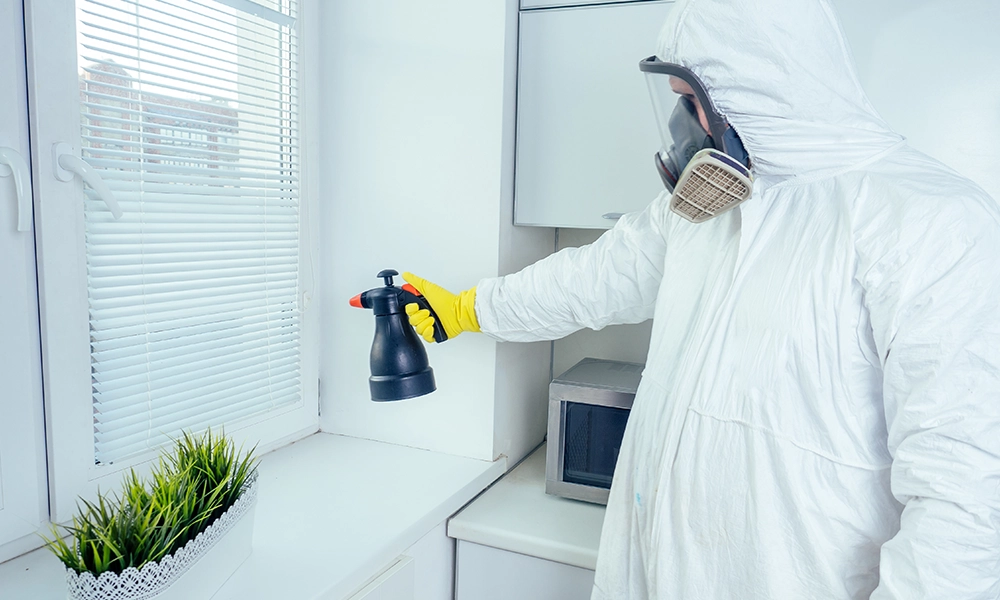
The pest control industry is evolving rapidly, moving beyond traditional methods to embrace new technologies and approaches that are more effective and environmentally friendly. As pests continue to adapt, pest control professionals must stay ahead with innovative solutions to meet these challenges. From AI-driven tools to eco-friendly termite solutions, the future of pest control promises a wide range of innovations to enhance efficiency, sustainability, and precision. Here, we delve into 11 key trends shaping the industry’s future.
1. Smart Sensors and IoT Devices
The use of smart sensors and IoT (Internet of Things) devices is transforming pest control by enabling real-time detection and monitoring. These devices track pest activity and environmental changes that may lead to infestations. For example, smart traps equipped with motion sensors alert professionals immediately, allowing for swift action. This data-driven approach minimizes pesticide use, focusing treatments only where they’re needed.
2. Drone Surveillance for Large-Scale Monitoring
Drones equipped with high-resolution cameras and thermal imaging are enhancing pest control efforts, particularly in agriculture and hard-to-reach areas. By surveying vast areas quickly and accurately, drones help identify potential pest hotspots that traditional methods might miss. This early detection is invaluable in agricultural pest control, helping protect crops before infestations spread.
3. Artificial Intelligence (AI) and Predictive Analytics
AI is revolutionizing pest control by bringing predictive capabilities to the industry. Using data on weather patterns, seasonal changes, and pest behavior, AI algorithms can anticipate when and where pest outbreaks are likely to occur. For example, AI can forecast termite swarms based on climate data, enabling professionals to take preemptive action. This predictive approach reduces reactive treatments and improves pest management strategies.
4. Automated Pest Monitoring Systems
Automation is streamlining pest control operations by reducing the need for manual monitoring. Automated systems use sensors, cameras, and machine learning to identify pest activity continuously. These systems monitor premises 24/7, alerting pest control teams immediately when action is needed. This not only saves time but also ensures a higher level of responsiveness to prevent infestations.
5. Eco-Friendly Termite Solutions
As environmental concerns grow, the industry is leaning towards eco-friendly solutions that minimize harm to ecosystems. For termites, environmentally safe treatments like natural baits and biological control agents offer effective alternatives to traditional chemical treatments. These methods are particularly appealing for clients who prioritize sustainability, as they effectively target termites without impacting the surrounding environment.
6. Biopesticides: A Sustainable Alternative
Derived from natural sources like bacteria, fungi, and plant extracts, biopesticides are gaining popularity as a sustainable solution. Unlike chemical pesticides, biopesticides target specific pests without harming beneficial insects or the soil. As more regulations restrict chemical pesticide use, biopesticides offer a viable path for sustainable pest control that protects both crops and ecosystems.
7. Nanotechnology in Pest Control
Nanotechnology is enabling more precise and efficient pest control solutions. By creating nanoparticles that deliver active ingredients directly to the pest, this technology reduces the amount of pesticide needed, minimizing environmental impact. For example, nano-pesticides can be tailored to target specific pests, reducing collateral damage to other insects and plants, while enhancing effectiveness.
8. Integrated Pest Management (IPM)
IPM combines multiple pest control methods into a holistic strategy that minimizes pesticide use and prioritizes long-term solutions. By incorporating physical traps, biological agents, and targeted chemical treatments, IPM offers a balanced approach to pest control that reduces environmental impact. This method has become especially popular in agriculture and urban settings where sustainability is a priority.
9. Consumer Demand for Green Solutions
Today’s consumers are increasingly eco-conscious, seeking pest control solutions that are both effective and environmentally responsible. This demand is pushing the industry to innovate with green options, from essential oils and vinegar-based sprays to advanced biopesticides. As awareness of environmental issues grows, companies that offer green pest control solutions stand to gain a competitive edge.
10. DIY Pest Control Trends
The rise of DIY solutions is changing how consumers approach pest control, especially with accessible information on social media and blogs. Many people now attempt pest control with home remedies before turning to professionals. While DIY methods may work for minor issues, they often lack the effectiveness of professional-grade solutions. Nonetheless, the trend is reshaping consumer expectations and pushing the industry to offer safer, user-friendly products.
11. The Impact of Global Regulations
International regulations like the Stockholm Convention are shaping pest control practices worldwide, promoting safer pesticide alternatives and stricter control of hazardous chemicals. These regulations encourage companies to adopt sustainable practices, further driving innovation. For instance, countries with strict regulations on chemical use are pioneering new methods that prioritize health and environmental safety, setting a global standard for responsible pest management.
Conclusion: Embracing Advanced Pest Control Solutions for a Better Future
The future of pest control is filled with groundbreaking innovations, from AI-powered predictive analytics to eco-friendly termite solutions and beyond. These advancements promise not only to make pest control more efficient and environmentally friendly but also to meet evolving consumer expectations for safe and sustainable options.
As the industry embraces these advanced pest control solutions, companies like Absolute Best Pest Control are committed to staying at the forefront of innovation. By adopting these emerging technologies, we ensure that our services remain effective and aligned with the values of our clients. Contact us today to learn more about how we’re leading the way in advanced pest management.
Related Posts

Woodlouse Spider in Your Home? Here’s What to Do
When it comes to unexpected household guests, spiders often top the list of unwelcome visitors.…

Flies in Your Restaurant? Here is How to Handle Them
Flies in your restaurant can quickly turn a pleasant dining experience into a customer complaint.…

How to Be Fully Prepared for a Restaurant Health Inspection
Health inspections can feel like a daunting task for any restaurant owner or manager. The…
Leave a Reply