
Bed Bugs in Schools? Learn to Keep Them at Bay
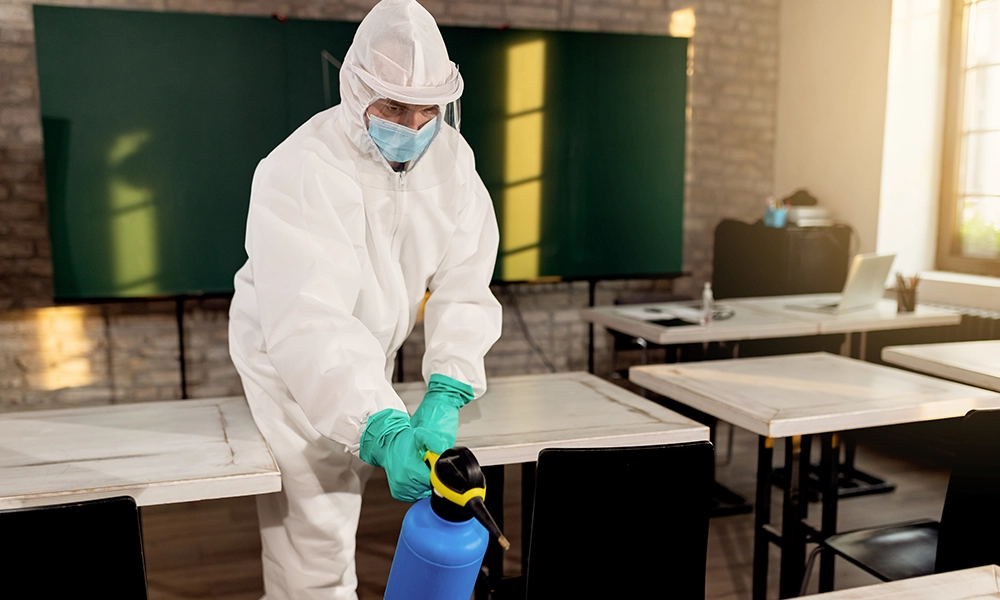
When you think of bed bugs, you likely imagine infested hotel rooms or homes. But these resilient pests have a knack for showing up in the most unexpected places – including schools. From daycare centers to college dorms, bed bugs are infiltrating educational spaces, catching parents and educators off guard. While bed bugs don’t transmit diseases, their bites and the emotional stress of dealing with an infestation make them a serious concern for families.
In this article, we’ll delve into how bed bugs invade schools, the risks they pose, and the steps you can take to prevent them from hitching a ride home with your child.
Why Are Bed Bugs in Schools?
Bed bugs are exceptional hitchhikers. They cling to backpacks, clothing, and other personal items, making schools an ideal transfer point for these pests. Unlike homes or hotels, schools typically aren’t breeding grounds for bed bugs since they lack beds or other consistent hiding places. However, bed bugs can temporarily settle in classrooms, libraries, or lockers, waiting for their next unsuspecting host.
The Growing Bed Bug Problem
Bed bugs made a comeback in the United States during the late 1990s, with increasing infestations in urban and suburban areas. Their resurgence is partly attributed to increased travel and pesticide resistance. As parents prepare for the school year, understanding how these pests infiltrate schools and how to stop them is critical.
Common Ways Bed Bugs Get into Schools
It may be surprising, but bed bugs have plenty of ways to infiltrate schools. From students’ personal belongings to shared items, the opportunities for these pests to hitch a ride are numerous. Here are the most common pathways:
Backpacks and Clothing: Bed bugs easily latch onto soft materials. Backpacks left on infested carpets or near beds at home provide a perfect entry point into schools.
Shared Items: Clothing exchanges, classroom rugs, and even plush toys can harbor bed bugs.
Dormitories and Residential Spaces: College students, especially those in dormitories, are at a higher risk of transporting bed bugs between home and campus.
Public Transportation: Students and staff who rely on buses or trains may unknowingly bring bed bugs into schools.
Signs of Bed Bugs in Schools
Bed bugs are notoriously elusive, but there are a few telltale signs to watch for:
Small, Rusty Stains: Bed bug droppings or crushed bugs leave reddish-brown marks on fabric.
Bites: Although not always visible, students or staff may report itchy, red welts, typically in a line or cluster.
Shed Skins: Bed bugs shed their exoskeletons as they grow, leaving translucent shells behind.
If you suspect a bed bug problem at your child’s school, it’s essential to act quickly to prevent them from spreading to your home.
Preventing Bed Bugs from Coming Home
While schools can be a hotspot for bed bugs to spread, taking precautions can significantly reduce the risk of bringing them into your home. Here are some proactive measures to consider:
1. Teach Your Kids to Be Bed Bug Aware
Educating children about bed bugs is an essential first step in prevention. Teach them:
- To keep backpacks off the floor or on designated hooks.
- Not to share clothing, blankets, or plush toys with friends.
- To report any signs of bed bugs to their teacher or parent immediately.
2. Inspect Backpacks Daily
Make it a habit to inspect your child’s backpack and clothing after school. Pay close attention to seams, zippers, and fabric folds where bed bugs may hide.
3. Use Protective Covers
Consider using zippered, bed-bug-proof covers for items like lunch bags or fabric-lined backpacks. These covers make it harder for bed bugs to latch on.
4. Launder Clothing and Backpacks
If you suspect bed bugs, immediately wash and dry affected items on high heat. Bed bugs cannot survive extreme temperatures.
Bed Bug Management in Schools
Schools have a responsibility to address potential infestations promptly. Here are some best practices:
Regular Inspections: Administrators should conduct routine checks in classrooms, locker rooms, and other common areas.
Clear Communication: Schools must inform parents immediately if bed bugs are detected and outline the steps being taken.
Professional Treatment: In severe cases, hiring a pest control service with expertise in wildlife pest control and insect management is crucial.
The Importance of Professional Bed Bug Control
While DIY approaches may provide temporary relief, professional intervention ensures a thorough and long-term solution. At Absolute Best Pest Control, we specialize in effective bed bug treatments tailored to your needs. For families dealing with infestations at home, refer to our DIY bed bugs removal guide for practical tips.
What About Bed Bugs in Other Places?
Bed bugs aren’t just a school problem. They can infest cars, public spaces, and more. To learn how to protect your vehicle, check out our guide on Bed bugs in your car for detailed advice.
Additionally, there’s a persistent myth that bed bugs can live in hair. While they prefer cracks and crevices over hair, it’s worth noting that bed bugs usually don’t get in your hair like lice or fleas.
What to Do If Bed Bugs Come Home
If bed bugs make their way into your home, immediate action is critical. Here’s a step-by-step guide to handle the situation effectively:
Isolate the Problem: Immediately separate any infested items from the rest of your home. Place clothing, bedding, and other affected belongings in sealed plastic bags to prevent further spreading. For heavily infested items, consider discarding them responsibly.
Conduct a Thorough Inspection: Inspect all areas of your home, focusing on cracks, crevices, and hidden spaces in furniture, baseboards, and walls. Use a flashlight to detect live bed bugs, eggs, or their droppings.
Vacuum Extensively: Use a vacuum cleaner with a strong suction to clean carpets, mattresses, and furniture. Pay special attention to seams and edges. After vacuuming, immediately seal and discard the vacuum bag or empty the canister outdoors to prevent reinfestation.
Heat Treatment: Launder all washable items on the highest heat setting for both washing and drying. Heat is lethal to bed bugs, and this step ensures they are eliminated effectively.
Steam Clean Furniture: For non-washable items like sofas or chairs, use a steam cleaner to kill bed bugs hiding in upholstery. Ensure the steam reaches a temperature of at least 120°F for optimal results.
Apply Bed Bug Treatments: Consider using EPA-approved bed bug sprays or diatomaceous earth in areas where bed bugs are detected. Follow all safety instructions carefully to avoid harming pets or family members.
Monitor with Interceptor Traps: Place bed bug interceptor traps under furniture legs and beds to monitor ongoing activity and prevent bugs from climbing onto furniture.
Seek Professional Help: If the infestation persists or is widespread, contact a professional pest control service. Their expertise ensures a comprehensive and effective solution.
Prevent Future Infestations: Once your home is clear, take proactive measures to prevent a recurrence. Inspect second-hand furniture before bringing it indoors, and continue periodic checks of your home for any signs of bed bugs.
Conclusion
Bed bugs in schools may be an unsettling reality, but with vigilance and proactive measures, you can reduce the risk of an infestation in your home. Educate your children, stay informed, and act swiftly if you suspect a problem.
For expert pest management solutions, Absolute Best Pest Control offers a range of services, from bed bug treatments to Home Pest Solutions that protect your family year-round. Contact us today to learn more about how we can help keep your home pest-free.
By staying informed and prepared, you can ensure that your home remains a sanctuary, free from the nuisance of bed bugs and other pests.
Related Posts

Woodlouse Spider in Your Home? Here’s What to Do
When it comes to unexpected household guests, spiders often top the list of unwelcome visitors.…

Flies in Your Restaurant? Here is How to Handle Them
Flies in your restaurant can quickly turn a pleasant dining experience into a customer complaint.…

How to Be Fully Prepared for a Restaurant Health Inspection
Health inspections can feel like a daunting task for any restaurant owner or manager. The…
Leave a Reply