
What Types of Bugs Live in Wood and How to Control Them
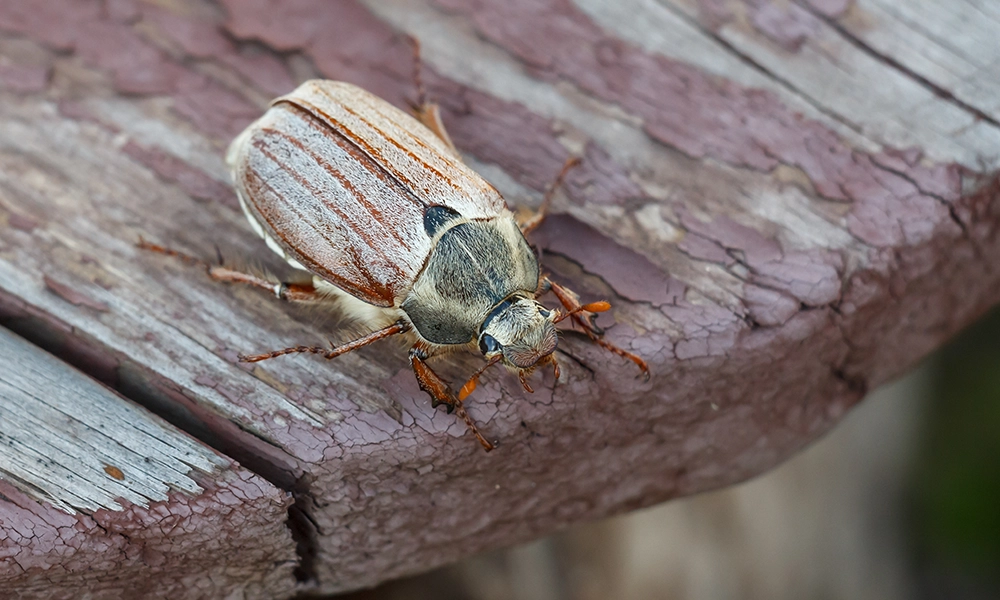
Wood is an essential part of our homes and furniture, but unfortunately, it’s also attractive to many types of insects. From structural beams to cherished wooden antiques, wood can be a prime target for insects that feed on it, live within it, or use it as a shelter. This article will explore the different kinds of bugs that live in wood, how they operate, the signs of their presence, and methods to keep your wooden surfaces pest-free.
Types of Wood-Dwelling Insects
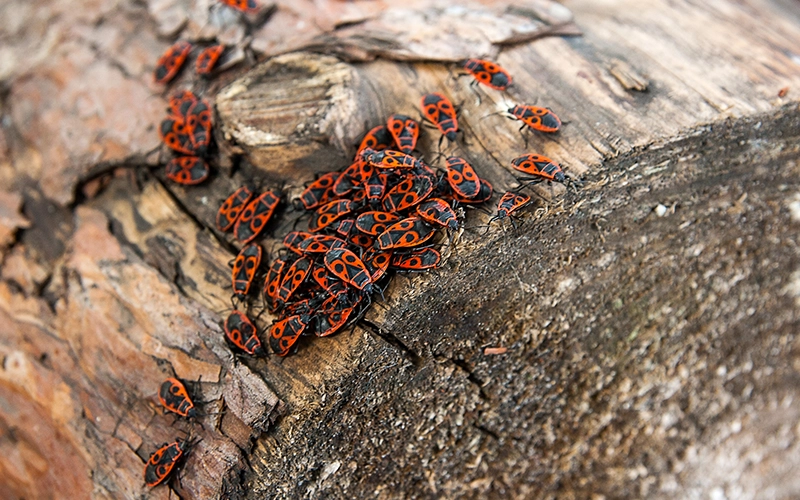
Various insects have a unique relationship with wood, and while some merely seek shelter, others can cause significant damage. Below, we cover the most common types you should watch for in your home or property.
1. Termites: The Most Destructive Wood Pest
Termites are well-known for their destructive abilities, especially when it comes to wooden structures. These insects don’t just live in wood—they feed on it continuously, which can lead to severe structural damage over time.
Signs of Termite Presence:
- Mud Tubes: Subterranean termites create mud tubes along walls and foundations. These are used to maintain moisture as they travel.
- Hollow Wood: If wood sounds hollow when tapped, termites may have eaten it from the inside.
- Frass (Termite Droppings): Drywood termites leave behind frass, which looks like small wood-colored pellets near affected areas.
Prevention and Control: Moisture is a major attraction for termites, so it’s essential to keep areas dry. Seal cracks in your foundation, maintain proper ventilation, and avoid wood-to-ground contact. Regular inspections by a termite infestation control service can also prevent significant damage by catching infestations early.
2. Powderpost Beetles: Tiny, Persistent Pests
Powderpost beetles are one of the most common types of wood-boring insects. They create tiny holes (typically one-sixteenth to one-eighth of an inch in diameter) and leave behind a fine, powdery dust as they burrow.
Signs of Infestation:
- Exit Holes: Small, circular holes in wood where adult beetles emerge.
- Powdery Frass: A powdery residue left behind by larvae as they consume wood from the inside.
Control Methods: Kiln-drying wood kills larvae and adult beetles. For older furniture or antiques, consider sealing surfaces with varnish to prevent beetles from laying eggs. Avoid storing valuable wooden items in outbuildings, as these spaces are often ideal for powderpost beetles.
3. Carpenter Ants: Not Just for Woodworking
Unlike termites, carpenter ants don’t consume wood. Instead, they excavate wood to build their nests, particularly targeting damp or decaying wood. Over time, this excavation can weaken structures.
Signs of Carpenter Ants:
- Sawdust-Like Frass: A pile of wood shavings or frass near wood surfaces may indicate carpenter ant activity.
- Rustling Noises: You might hear faint rustling sounds within walls or wooden structures where carpenter ants are nesting.
- Large Ants Indoors: Seeing large, black ants, especially near wooden areas, may be a sign of carpenter ants.
Prevention and Control: Keep wood surfaces dry and fix leaks promptly. Carpenter ants are attracted to moisture-damaged wood, so addressing moisture issues can help prevent infestations. If you suspect an infestation, consider consulting pest control professionals.
4. False Powderpost Beetles: Infesting Fresh Wood
False powderpost beetles are reddish-brown or black and often inflict damage on hardwoods, though they may also target softwoods. These beetles tend to infest fresh wood, often affecting new furniture or firewood.
Signs of Infestation:
- Exit Holes: Like other wood-boring beetles, they create small exit holes.
- Infested Firewood: Firewood stored indoors can become a breeding ground if it was previously infested outside.
Control Tips: Ensure that any new lumber is kiln-dried before use. For firewood, store it away from your home and bring it indoors only when you’re ready to burn it. Properly treated and sealed wood is less likely to attract these beetles.
5. Ambrosia Beetles: Attackers of Dead or Stressed Wood
Ambrosia beetles bore into wood to cultivate fungus, which they feed on. They usually target dead or stressed wood and prefer wood with high moisture content.
Indicators of Ambrosia Beetles:
- Fine Sawdust: Ambrosia beetles push out fine sawdust from small boreholes.
- Sticky Substance: Some ambrosia beetles cause sap to ooze from their entry holes.
Control Strategies: Removing dead or decaying wood from your property reduces the chances of an infestation. Keep firewood and other wood piles away from your home, and ensure that stored wood is kept dry.
6. Bark Beetles: Damaging Trees and Lumber
Bark beetles infest the bark and outer layers of trees, and they can be highly destructive in forested areas. While they’re more of a concern in forests, they may also damage lumber.
Signs of Bark Beetles:
- Boring Holes: Tiny holes on the bark or wood surface are typical signs of bark beetle infestation.
- Tunnels Under Bark: Removing the bark may reveal a series of intricate tunnels.
Prevention Tips: Maintain tree health on your property, as bark beetles primarily target stressed or weakened trees. Regular pruning and avoiding unnecessary injuries to tree bark can help keep these pests away.
Protecting Your Property from Wood-Infesting Bugs
While many wood-boring insects target decaying wood, others, like powderpost beetles, may infest new wood as well. Here are some general tips to help protect your home from these pests:
Maintain Dryness: Many wood-infesting bugs are attracted to moist environments. Keep wooden surfaces dry by fixing leaks, improving ventilation, and sealing any exposed wood.
Regular Inspections: Especially in basements, attics, and crawl spaces, regular inspections can help catch early signs of infestation. Watch for frass, small holes, or rustling sounds.
Proper Wood Storage: Store firewood and other untreated wood away from your home. Bring firewood indoors only when you’re ready to use it.
Seal and Finish Wood: Sealing exposed wood with paint, varnish, or a similar finish can prevent wood-boring insects from laying eggs.
Use Treated Wood: When building or renovating, consider using pressure-treated wood, which is less susceptible to infestations.
Conclusion: Consult the Experts
While taking steps to prevent wood-infesting insects can reduce the risk of damage, some infestations may still occur, especially if the insects go unnoticed. If you suspect a significant infestation or want to protect your property proactively, reaching out to pest control experts can be an effective solution. A professional inspection can identify potential issues, and experts can recommend targeted treatments to ensure your wooden structures remain safe from harm.
Keeping your home safe from wood-infesting bugs requires vigilance and preventive measures. By understanding the types of insects that target wood and the signs they leave behind, you can take proactive steps to protect your property. Remember, when it comes to wood-damaging pests, early detection and intervention are essential.
Related Posts

Woodlouse Spider in Your Home? Here’s What to Do
When it comes to unexpected household guests, spiders often top the list of unwelcome visitors.…

Flies in Your Restaurant? Here is How to Handle Them
Flies in your restaurant can quickly turn a pleasant dining experience into a customer complaint.…

How to Be Fully Prepared for a Restaurant Health Inspection
Health inspections can feel like a daunting task for any restaurant owner or manager. The…
Leave a Reply