
How To Prevent Termites from Spreading In Your Home
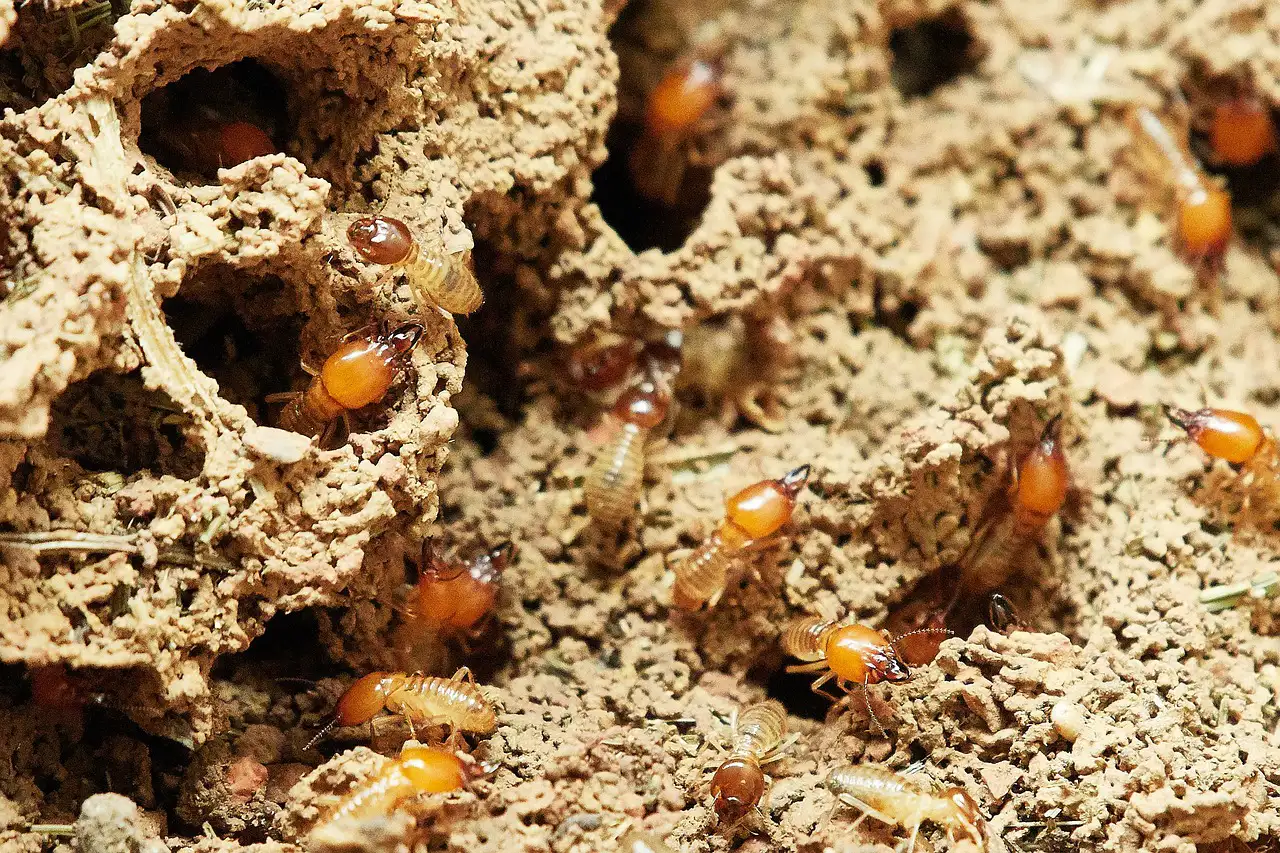
Termites are silent offenders that can go far in their destructive wake throughout your home and destroy it so that sometimes you may not even know they exist. These tiny wood-eating insects create a dining room in the house structure, silently consuming it. Though professional treatment may be required to completely clear the place of a termite infestation, there are several preventive measures one can take first before termites proceed with the invasion further and start off with more damage.
1. Eliminate Wood-to-Soil Contact
The best advice for keeping termites from taking hold in your home is to prevent any sort of direct contact between wood and soil. Termites work best in places where their natural habitation in the soil merges with wood, easily allowing them to move into it. Keeping wooden siding, door frames, and window sills at least six inches off the ground can seriously cut down on the risks for termite invasion. This can either be regrading of soil around your house or installing concrete barriers to create an actual separation.
Key Tips
- Revise soil to have a complete separation between soil and wood.
- Pouring of concrete foundations for use with timber posts and similar structures.
- Inspect timbers regularly in contact with the ground.
2. Regulate Moisture Flowing Around The Foundation
Moisture makes termites happy, so you need to control the water that gathers around your foundation. Make sure gutters, downspouts, and splash blocks work correctly to dump water away from your foundation. And do your best to stop leaks from faucets, pipes, and air conditioning units. If your home has poor drainage, look into getting tiles or drains to help ease water movement away from your foundation.
Important Reminders
- Ensure good, positive grade drainage leaves the foundation of your home.
- Repair leaks at once.
- Notice the possibility of employing a dehumidifier in wet areas around the home.
3. Decrease the Moisture in Crawl Spaces
As most crawl spaces hold moisture and humidity, they become an ideal place for termite infestation. Lay down polyethylene sheeting over the soil as vapor barriers to lower the overall moisture content. Accordingly, most building codes make it a necessity for the crawl spaces to be in proper ventilation, so see that there are vents around the crawl space. Maintaining the dryness in the areas is important for the termites not to bother your house.
Major Tips
- Vapor barriers installation in a crawl space.
- Ventilate your crawl space properly.
- Check for signs of moisture or termites under the crawl space regularly.
4. Keep firewood and debris away from your home
Firewood, lumber, and other cellulose-based materials can also be very attractive to termites when piled next to a home. They should be placed not less than twenty feet from your house and at least eight inches off the ground. Moreover, do not stack firewood or other wood materials directly against the foundation of your home, as this allows entry for these insects with ease into your home.
Important Insights
- Keep firewood at least 20 feet away from any home.
- Lift wood off the ground to make access for termites difficult.
- Pull off all dead tree limbs and stumps from around your property.
5. Use Mulch Sparingly and Correctly
Mulch is a very common landscaping material, applied not only for aesthetic reasons but for various other purposes. Nonetheless, mulch could as well formulate a termite conducive environment. Though the wood in mulch is not anything too nutritious to termites, its ability to retain water makes it all the better. Mulch is a common landscaping material used for aesthetic and many other purposes. However, it can as well create a conducive environment for termites. Although the wood in mulch is not at all a nutritional diet to the termites, its moisture retention capacity makes it all the more better. If you are. It could be because of the use of non-organic material alternatives available, such as pea gravel or crushed stone that might not readily pre-adore termites.
Key Tips
- Mulch should be applied in small quantities; avoid piling it directly in contact with wood.
- Try inorganic alternatives for mulch.
- Check all mulch areas for termites.
6. Seal gaps and cracks
Termites can enter through the tiniest cracks and gaps, some at only 1/32 of an inch. Naturally, over time, houses develop minute cracks and gaps due to settling and temperature changes. It is therefore very important to regularly check your home for such entry points and close them with caulk or foam sealant. Pay special attention to areas around utility lines, pipes, and the foundation.
Key Tips
- Check and seal up cracks in and around your home on a regular basis.
- Materials must fit appropriately, e.g., caulk or foam sealant.
- Consider stainless steel wire mesh for all of your largest openings.
7. Periodical Termite Inspection
Through these preventative steps, the majority of the risks from infestations by termites are lessened. Nonetheless, nothing can replace a professional. Decisive detection and preventative measures regarding termites may be realized with onsite inspections conducted routinely by a licensed pest expert. Professionals can identify termite activity that might be difficult for an untrained eye to identify and suggest necessary treatments, or applications of treatments.
Important Hints
- Schedule annual termite inspection.
- Take action at the first instance of termite infestation.
- Keep warranties in effect through regular inspection of the treatment.
Conclusion
Termites are a serious threat to the structural integrity of your home, but by following these preventive measures, you can minimize the risk of infestation. Remember, early detection and professional Termite intervention are key to protecting your home. Regular maintenance and vigilance, combined with these easy-to-implement strategies, can help keep your home termite-free for years to come.
Taking these steps not only protects your investment but also ensures the safety and comfort of your living space. Don’t wait until it’s too late—start implementing these termite prevention methods. If you still need professional help with termite control in Atlanta, contact Absolute Best Pest Control for a free quote today.
Related Posts

Woodlouse Spider in Your Home? Here’s What to Do
When it comes to unexpected household guests, spiders often top the list of unwelcome visitors.…

Flies in Your Restaurant? Here is How to Handle Them
Flies in your restaurant can quickly turn a pleasant dining experience into a customer complaint.…

How to Be Fully Prepared for a Restaurant Health Inspection
Health inspections can feel like a daunting task for any restaurant owner or manager. The…
Leave a Reply