
Tick Bites: Common Symptoms, Risks, and How to Prevent
Ticks are more than just tiny nuisances – these small, blood-sucking insects can carry harmful diseases and cause severe health issues in humans and pets. Tick bites are common, especially during warmer months when ticks are most active outdoors. Understanding what a tick bite can lead to, how to spot the signs, and how to prevent tick encounters can help you stay safe and protected.
In this article, we’ll cover the symptoms of tick bites, the diseases ticks can transmit, and effective prevention methods. Whether you spend time hiking, gardening, or simply enjoying the outdoors, being informed about tick bites and taking steps to avoid them is crucial.
Understanding Tick Bites and How They Affect You
Ticks live in grassy, wooded, and brush-filled areas where they easily attach themselves to animals and humans who pass by. These insects don’t fly or jump; instead, they climb onto hosts when brushed against. While many tick bites are harmless and cause minimal symptoms, some ticks carry harmful pathogens that lead to diseases such as Lyme disease, anaplasmosis, and others that can be serious if not treated promptly.
How Tick Bites Happen
Ticks latch onto exposed skin, especially around the ankles, legs, and waist. They feed on blood, and while attached, they can transmit bacteria and viruses. You might not feel a tick bite initially since they secrete a small amount of anesthetic when they bite, which numbs the area. Ticks can remain attached for several days as they feed, gradually becoming more visible as they swell with blood.
Symptoms of a Tick Bite
Most tick bites cause only mild reactions, such as redness and irritation. However, if a tick is infected, it may pass on a disease with more severe symptoms. Here are the typical symptoms to watch for:
- Redness or Rash at the Bite Site: A small red spot or rash can develop around the bite.
- Itching or Mild Swelling: The area may feel irritated or itchy.
- Fever and Fatigue: Fever and extreme tiredness can be early indicators of an infection.
- Headache and Body Aches: Headaches, muscle pain, and joint swelling may appear if an illness is present.
When to Seek Medical Attention
If you notice a tick bite accompanied by any of the above symptoms, it’s wise to consult a healthcare provider. In particular, a rash that resembles a “bullseye” – with a central red spot surrounded by a clear area and then a red ring – is often associated with Lyme disease and should be evaluated by a medical professional. Prompt diagnosis and treatment can prevent tick-borne diseases from progressing into serious health issues.
Common Diseases Transmitted by Ticks
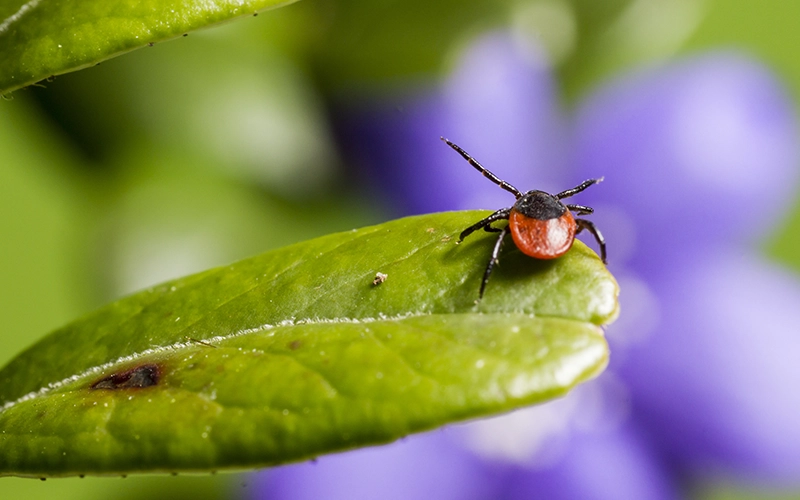
Ticks carry bacteria, viruses, and parasites that can be transmitted to humans and pets. Here are some of the most common tick-borne diseases and their symptoms.
1. Lyme Disease
What It Is: Lyme disease is one of the most well-known tick-borne illnesses in the United States. Caused by the bacterium Borrelia burgdorferi, Lyme disease is typically transmitted by black-legged (or deer) ticks.
Symptoms:
- Bullseye rash
- Fever, chills, and fatigue
- Muscle and joint pain
- Swollen lymph nodes
If left untreated, Lyme disease can lead to more severe health issues, including arthritis, nerve pain, and even heart problems.
2. Rocky Mountain Spotted Fever (RMSF)
What It Is: Rocky Mountain Spotted Fever is a potentially severe bacterial infection spread by ticks, particularly in the southeastern United States.
Symptoms:
- High fever
- Rash (usually on the wrists and ankles)
- Nausea and vomiting
- Muscle pain and headache
Early treatment with antibiotics is crucial, as untreated RMSF can lead to serious complications, including organ failure.
3. Anaplasmosis
What It Is: Anaplasmosis is another bacterial infection transmitted by black-legged ticks, often in the same areas where Lyme disease is common.
Symptoms:
- Fever, chills, and body aches
- Headache
- Stomach pain and nausea
- Cough
While mild cases may improve on their own, severe anaplasmosis requires antibiotics to prevent complications.
4. Ehrlichiosis
What It Is: Caused by the bacterium Ehrlichia chaffeensis, ehrlichiosis is primarily found in the southeastern and south-central United States.
Symptoms:
- Fever, chills, and fatigue
- Muscle pain
- Headache
- Cough and stomach pain
Like anaplasmosis, prompt antibiotic treatment can help prevent more severe health issues.
5. Alpha-Gal Syndrome (Red Meat Allergy)
What It Is: Some tick bites, particularly from the Lone Star tick, can trigger an allergy to red meat in humans. Known as alpha-gal syndrome, this condition causes a delayed allergic reaction after consuming red meat or products made from mammals.
Symptoms:
- Hives or rash
- Stomach pain and nausea
- Shortness of breath
- Anaphylaxis in severe cases
Alpha-gal syndrome is unique to tick bites and may persist for life.
How to Prevent Tick Bites
Avoiding tick bites is the best way to protect yourself from tick-borne illnesses. Here are essential steps to prevent tick bites:
1. Wear Protective Clothing
When spending time outdoors in tick-prone areas, cover exposed skin by wearing long-sleeved shirts, long pants, and socks. Tucking pants into socks can prevent ticks from accessing your skin.
2. Use Tick Repellent
Applying a tick repellent with at least 20% DEET to exposed skin and clothing is an effective way to deter ticks. If you’re looking for a natural alternative, oil of lemon eucalyptus is known to repel ticks, though it may be less effective than DEET.
3. Perform Tick Checks
After spending time outdoors, perform a full-body tick check, paying close attention to areas like the scalp, behind the ears, armpits, waist, and legs. Check your pets as well, as they can carry ticks indoors.
4. Shower Promptly
Showering within two hours of being outdoors can help remove any unattached ticks. The shower can also help wash away ticks that may be crawling on the skin.
5. Treat Pets for Ticks
Pets can carry ticks indoors, increasing your exposure risk. Using veterinarian-approved tick treatments for pets helps protect both them and your household. Ticks can also lead to health issues for pets, so regular checks and treatments are essential.
What to Do If You Find a Tick on Your Skin
Removing a tick promptly reduces the risk of disease transmission. Here’s how to do it:
1. Use Tweezers
Use fine-tipped tweezers to grasp the tick as close to your skin as possible. Pull it upward with steady pressure without twisting or jerking. Twisting may cause parts of the tick to break off, increasing the risk of infection.
2. Clean the Area
Once the tick is removed, thoroughly clean the area with soap and water or rubbing alcohol. Wash your hands as well.
3. Dispose of the Tick
Flush the tick down the toilet or seal it in a plastic bag if you need to show it to a healthcare provider. If symptoms arise, having the tick may help with diagnosis.
4. Monitor for Symptoms
Keep an eye out for symptoms like fever, rash, or muscle aches over the next few weeks. Consult a healthcare provider if any of these symptoms appear.
Treatment Options for Tick-Borne Diseases
When it comes to tick-borne diseases, early detection and treatment are key. In most cases, tick-borne illnesses can be effectively treated with a short course of antibiotics, provided they are diagnosed early. Here’s what you should know about treatment:
Diagnosis and Testing
Doctors typically diagnose tick-borne diseases based on symptoms, tick exposure history, and in some cases, blood tests. If you live in an area where tick-borne illnesses are common, consulting your healthcare provider after a tick bite can be helpful.
Antibiotic Treatment
Most bacterial infections from tick bites respond well to antibiotics like doxycycline. It’s essential to complete the full course of antibiotics to ensure the infection is thoroughly treated.
Importance of Professional Treatment
Certain cases, such as advanced Lyme disease or severe Rocky Mountain Spotted Fever, may require longer or more intensive treatment. Consulting a healthcare provider promptly is essential for optimal recovery. If you’re concerned about other pest issues in your home, remember the importance of professional bed bug removal and consulting pest control experts for advice.
When to Seek Professional Help for Tick Bites
If you notice symptoms after a tick bite, especially a rash, fever, or unusual fatigue, it’s critical to consult a healthcare provider. For those in areas where tick-borne diseases are common, early intervention is crucial. Your doctor can assess symptoms, perform tests if necessary, and determine the best course of action.
Conclusion: Keeping Your Home and Loved Ones Safe from Ticks
Tick bites are a common risk, particularly during the warmer months. By being proactive with protective clothing, repellents, and regular checks, you can significantly reduce the chances of encountering ticks. Remember to be vigilant about tick removal and monitor for symptoms after outdoor activities. With these preventive measures, you can protect your family and pets from the potential dangers of tick-borne diseases.
For further support with pest control, consider reaching out to experts in home pest control for solutions that can help keep ticks and other pests at bay in your outdoor spaces and home environment. Stay safe, stay informed, and enjoy the outdoors without worry.
Related Posts

Woodlouse Spider in Your Home? Here’s What to Do
When it comes to unexpected household guests, spiders often top the list of unwelcome visitors.…

Flies in Your Restaurant? Here is How to Handle Them
Flies in your restaurant can quickly turn a pleasant dining experience into a customer complaint.…

How to Be Fully Prepared for a Restaurant Health Inspection
Health inspections can feel like a daunting task for any restaurant owner or manager. The…
Leave a Reply