Rodent Threats to Atlanta Businesses: What You Need to Know

When it comes to running a business in Atlanta, there’s one type of uninvited guest that could cost you big time: rodents. From scurrying mice to climbing rats, these pests aren’t just bothersome—they pose serious threats that can impact your inventory, property, and even your reputation. Rodents aren’t picky about where they settle, so whether you’re in retail, food service, hospitality, or any industry where cleanliness and safety are paramount, it’s essential to stay vigilant.
In this guide, we’ll explore the common types of rodents to watch out for, the potential damage they can inflict, and how to manage rodent control effectively. So let’s dive in—after all, ignoring a rodent problem could be the last thing your business needs.
Rodents to Watch Out For
Before getting into the risks, it’s important to know which rodents are the biggest offenders in a business setting:
Norway Rats
Known for their burrowing habits, Norway rats are notorious for causing structural damage. They chew through walls, floors, and even electrical wiring, creating fire hazards and weakening building foundations. They also contaminate stored products, especially in areas like warehouses and food storage facilities.
Roof Rats
As their name suggests, roof rats are excellent climbers. They often make their nests in the upper levels of buildings, like attics and ceilings. Roof rats are particularly sneaky—they’re nocturnal and agile, making them harder to spot. Their presence can lead to contamination in food storage areas, as well as significant structural damage.
House Mice
House mice are small, but don’t let their size fool you. They reproduce quickly and can squeeze through tiny openings, giving them easy access to practically any part of your building. They gnaw on packaging, furniture, and electrical wires, making them a costly nuisance. For industries that rely on cleanliness, even a single mouse sighting could result in customer complaints or, worse, a failed inspection.
How Rodents Pose a Threat to Your Business
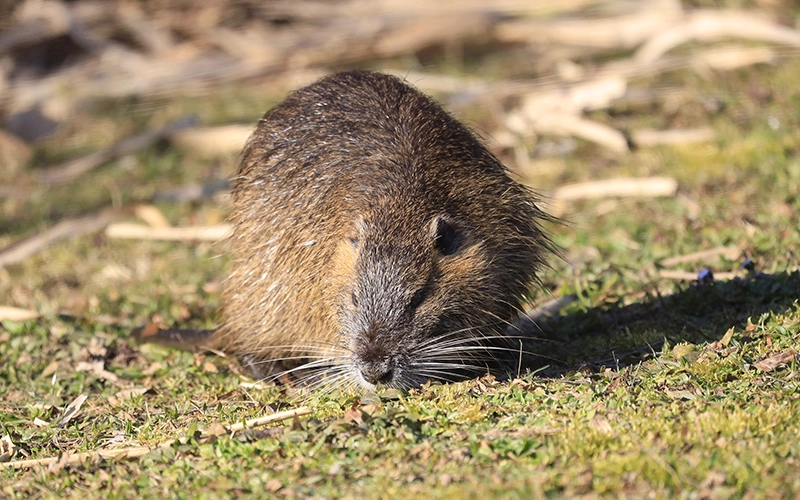
Rodents are more than just an eyesore—they carry diseases, cause physical damage, and can even lead to business closures. Here are the major threats rodents pose:
Health Risks and Disease Transmission
Rodents are carriers of harmful diseases, including leptospirosis, salmonella, and hantavirus. These diseases can be transmitted to humans through contact with rodent droppings, urine, or saliva. For any business handling food, a single case of contamination can lead to serious health code violations and a ruined reputation. The Centers for Disease Control and Prevention (CDC) warns of the health hazards rodents bring, especially in places where food is stored or served.
Structural Damage
Rodents chew on practically anything they can find, including wood, plastic, and even metal. But the real danger comes when they start gnawing on electrical wiring. This habit creates a major fire risk, as frayed wires can spark and ignite. According to the National Fire Protection Association, rodent-damaged wiring is a common cause of fires in commercial buildings.
Contaminated Inventory
Whether it’s food, packaging materials, or other stock, rodents can destroy valuable inventory. They’ll chew through food packaging, leaving droppings and urine that contaminate the goods, rendering them unsellable. This is particularly concerning for businesses in the food industry, where contaminated inventory is a direct threat to customer safety and business reputation.
Brand and Reputation Damage
In today’s digital age, a single negative review mentioning “rats” or “mice” can severely damage your brand. Imagine a customer spotting a rat in your restaurant or retail store. Chances are, that incident would end up on social media faster than you can say “extermination.” Not only does it put off current customers, but it also scares away potential ones, ultimately affecting your bottom line.
How Rodents Sneak into Your Business
Rodents are incredibly resourceful when it comes to finding their way inside. Here’s how they commonly enter commercial spaces:
- Gaps and Cracks: Rodents can squeeze through holes as small as a quarter. Openings around doors, windows, or even pipes create easy entry points.
- Drain Pipes and Sewer Lines: Rodents, especially rats, are capable swimmers. They can use drain pipes or sewer lines to enter buildings, making underground access points a frequent entry route.
- Shipping and Deliveries: Boxes, crates, and other deliveries are prime opportunities for rodents to hitch a ride into your facility, especially if items are stored in infested warehouses before arriving.
Once inside, these pests find plenty of hiding spots and food sources to keep them comfortable—making it harder for you to realize they’re there until they’ve become a big problem.
Signs of Rodent Infestation You Shouldn’t Ignore
Knowing the signs of a rodent infestation can help you catch the problem early. Here’s what to look for:
Droppings
Rodent droppings are usually small and dark, resembling grains of rice. These are often found near food storage areas, shelves, and along walls. If you’re noticing droppings, it’s time to act quickly.
Gnaw Marks
If you see chew marks on food packaging, furniture, or electrical cords, it’s a clear sign of rodent activity. Rodents need to gnaw constantly to keep their teeth from growing too long.
Strange Sounds
Rodents are active at night, so if you’re hearing scratching or squeaking sounds, especially from walls, ceilings, or attics, you likely have uninvited guests.
Nests
Rodents build nests from materials like shredded paper, fabric, and insulation. These nests are often hidden in quiet areas, such as storage rooms or basements.
Foul Odors
A musty, unpleasant smell can indicate the presence of rodents. The smell comes from their urine, droppings, or even from deceased rodents that have been trapped in wall spaces.
The Cost of Ignoring a Rodent Problem
If you think a few rodents aren’t a big deal, think again. Ignoring a rodent issue can result in significant financial costs, including:
- Inventory Loss: Contaminated stock must be discarded, leading to lost revenue.
- Property Damage: Structural repairs and fire damage from gnawed wires can cost thousands.
- Lost Customers: Reputation damage can cause a drop in foot traffic, ultimately affecting revenue.
Addressing rodent issues quickly and effectively isn’t just about immediate pest control—it’s a long-term investment in the safety and success of your business.
Steps to Rodent-Proof Your Business
Here’s how to protect your business from rodents:
Seal Entry Points
Close off gaps around doors, windows, and pipes. For DIY rodent proofing, steel wool or caulk can be effective in blocking small openings.
Keep a Clean Environment
Regularly clean and sanitize all areas, especially food storage and preparation zones. Rodents are less likely to stick around if food sources are limited.
Secure Trash and Food Storage
Store food in rodent-proof containers, and keep garbage cans sealed tightly. This not only deters rodents but also prevents odor from attracting them.
Inspect Shipments and Deliveries
Rodents can enter your business through shipments, so make it a habit to inspect boxes, crates, and packaging materials.
Why You Should Call in Professional Help
While DIY methods can help in minor cases, a serious infestation requires professional intervention. Absolute Best Pest Control specializes in comprehensive wildlife extermination services tailored to businesses in Atlanta, GA. With expert technicians, advanced techniques, and guaranteed results, you can ensure that your business remains rodent-free.
Conclusion
Rodents may be small, but the threat they pose to your business is massive. From health risks to reputation damage, the consequences of a rodent infestation are too costly to ignore. By recognizing the signs, securing entry points, and keeping your environment clean, you can prevent these pests from becoming a problem. And if they do, don’t hesitate to call Absolute Best Pest Control for a swift, professional solution.
Remember, maintaining a safe and welcoming environment isn’t just a one-time effort—it’s ongoing. If you need support beyond DIY rodent proofing or immediate extermination, look no further than Absolute Best Pest Control. We’re here to protect your business every step of the way.
For comprehensive solutions beyond rodent control, from wildlife extermination service to general home pest control, our experts have you covered.
Related Posts

Woodlouse Spider in Your Home? Here’s What to Do
When it comes to unexpected household guests, spiders often top the list of unwelcome visitors.…

Flies in Your Restaurant? Here is How to Handle Them
Flies in your restaurant can quickly turn a pleasant dining experience into a customer complaint.…

How to Be Fully Prepared for a Restaurant Health Inspection
Health inspections can feel like a daunting task for any restaurant owner or manager. The…
Leave a Reply