
Mosquito Bites 101: Symptoms, Risks, and How to Treat Them
Summer evenings on the porch or in the yard are some of life’s simplest pleasures. But there’s always one thing that seems to want to ruin the moment—mosquitoes. These tiny pests don’t just leave behind itchy welts; they can carry serious diseases that can pose health risks to you and your family. In this guide, we’ll walk you through everything you need to know about mosquito bites, the symptoms they cause, the diseases they can transmit, and how to treat them. Plus, we’ll offer insight into ways to avoid mosquito bites and how residential mosquito control can make a difference in keeping your home and family safe.
The Irritating Aftermath of a Mosquito Bite
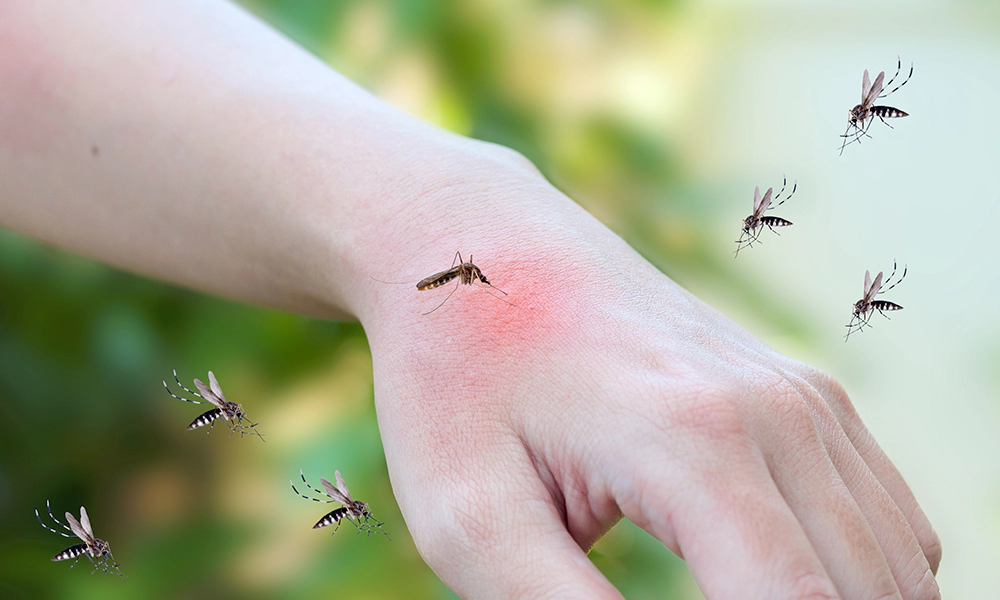
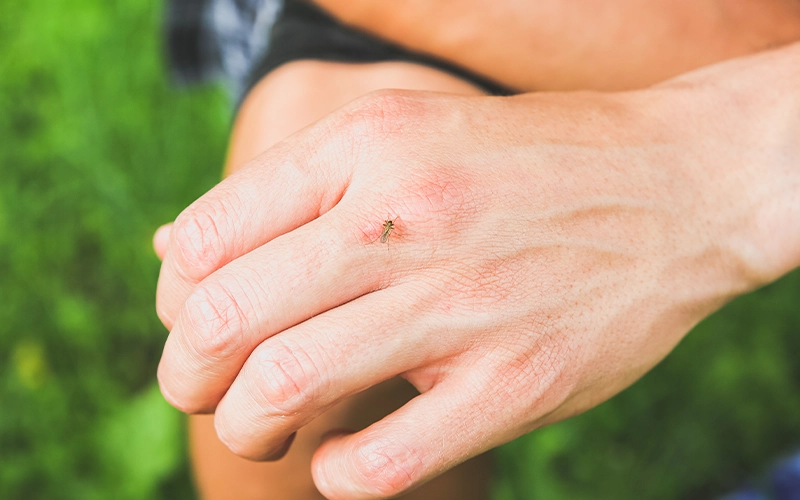
We’ve all been there. You’re sitting outside enjoying a summer evening, only to feel that sharp, itchy sting of a mosquito bite. But what’s really going on? Mosquito bites occur when a female mosquito punctures your skin to feed on your blood. While feeding, they inject saliva into your skin, which triggers an immune response, leading to redness, swelling, and that maddening itch.
Common Symptoms of Mosquito Bites
Itching and Redness: The most immediate and common reaction to a mosquito bite is localized itching and redness. This is caused by your body’s immune response to proteins in the mosquito’s saliva.
Swelling: Some people may notice a small, raised bump that may vary in size depending on their sensitivity to mosquito bites.
Blisters or Welts: In more severe cases, mosquito bites can cause larger welts or fluid-filled blisters, especially in individuals with sensitive skin or allergies.
While these symptoms are typically mild, the intensity of your reaction depends on how your immune system responds to the mosquito’s saliva.
Mosquito-Borne Diseases: More Than Just an Itchy Bite
For many of us, mosquito bites are an inconvenience—an itchy bump that lasts a few days before it disappears. But mosquitoes are also notorious carriers of some of the most serious diseases worldwide. In fact, they are considered one of the deadliest animals on the planet due to the diseases they spread.
1. Dengue Fever
Symptoms: High fever, severe headaches, joint and muscle pain, rash, and bleeding.
Transmission: Aedes mosquitoes are the culprits here, and dengue is prevalent in tropical and subtropical regions. Dengue fever can be debilitating and sometimes life-threatening if it progresses to severe dengue.
2. Zika Virus
Symptoms: Mild fever, rash, conjunctivitis, muscle pain, and headache. Many people may not even realize they’ve contracted the Zika virus.
Transmission: Zika is spread through the bites of infected Aedes mosquitoes. While symptoms are often mild, Zika gained global attention due to its link to birth defects, particularly microcephaly, in babies born to infected mothers.
3. West Nile Virus
Symptoms: In most cases, there are no symptoms, but severe cases can lead to fever, headaches, body aches, and even neurological damage like encephalitis or meningitis.
Transmission: West Nile Virus is spread by mosquitoes infected with the virus, which they acquire from feeding on infected birds. While many infected individuals show no symptoms, the disease can cause severe complications in some cases.
4. Malaria
Symptoms: Fever, chills, sweating, and flu-like symptoms that can progress to severe complications, including organ failure.
Transmission: Mosquitoes infected with the Plasmodium parasite are responsible for transmitting malaria. While largely controlled in some parts of the world, malaria remains a serious health risk in many tropical regions.
By understanding the risks associated with mosquito-borne diseases, it becomes even more crucial to take preventive measures and protect yourself from mosquito bites.
Treatments for Mosquito Bites: Quick Relief for Itchy Skin
Even with the best intentions, it’s likely that at some point, a mosquito will get through your defenses. So, what can you do once you’ve been bitten? Here are some effective treatments to alleviate itching and reduce swelling:
1. Topical Creams
- Hydrocortisone cream: This over-the-counter steroid cream helps reduce inflammation and itching.
- Calamine lotion: A soothing option to alleviate the irritation of a mosquito bite.
2. Antihistamines
Oral antihistamines such as Benadryl can help reduce the itching by counteracting your body’s histamine response to the mosquito bite.
3. Cold Compress
Applying a cold compress to the bite can help reduce swelling and numb the itching area.
4. Natural Remedies
Some people find relief with natural treatments like aloe vera, tea tree oil, or honey, which can help soothe irritated skin.
If you notice an unusually large reaction or signs of infection around the bite, it’s best to seek medical attention, as this could indicate an allergic response or a secondary infection.
Prevention is Key: Ways to Avoid Mosquito Bites
When it comes to mosquito bites, prevention is always better than treatment. Fortunately, there are several ways to avoid mosquito bites and reduce your exposure to these pesky insects:
1. Use the Most Effective Mosquito Repellent
Products containing DEET, picaridin, or IR3535 are considered the most effective mosquito repellents. These repellents can be applied to the skin or clothing to create a protective barrier against mosquitoes.
Tip: For home use, consider adding mosquito traps or bug zappers to reduce mosquito populations around your living space.
2. Wear Protective Clothing
Long sleeves, long pants, and socks can provide an additional layer of defense, especially in areas where mosquitoes are particularly active.
3. Eliminate Standing Water
Mosquitoes breed in stagnant water, so it’s essential to remove standing water from your yard or surrounding areas. Clean out gutters, birdbaths, and outdoor containers to prevent mosquitoes from multiplying.
4. Residential Mosquito Control Services
For those dealing with heavy mosquito infestations, residential mosquito control services can provide long-term solutions to reduce mosquito populations. Professional pest control companies can treat your yard and outdoor areas to minimize the risk of mosquito bites.
By combining these prevention techniques, you can significantly reduce your chances of getting bitten, keeping your outdoor spaces safe and enjoyable.
Conclusion: Protecting Your Family from Mosquito Bites
Mosquitoes may be small, but their impact on your health and comfort can be significant. By understanding the symptoms of mosquito bites, the diseases they can transmit, and how to treat them, you’re one step closer to enjoying your time outdoors without the hassle of itchy, swollen bites. Be sure to take preventive steps like using effective mosquito repellent, wearing protective clothing, and eliminating standing water around your home. If mosquitoes continue to be a problem, don’t hesitate to reach out to a professional pest control company for Pest removal services.
With the right strategies, you can protect your home and loved ones from the discomfort and risks associated with mosquito bites, ensuring that your outdoor adventures are itch-free and enjoyable.
Related Posts

Woodlouse Spider in Your Home? Here’s What to Do
When it comes to unexpected household guests, spiders often top the list of unwelcome visitors.…

Flies in Your Restaurant? Here is How to Handle Them
Flies in your restaurant can quickly turn a pleasant dining experience into a customer complaint.…

How to Be Fully Prepared for a Restaurant Health Inspection
Health inspections can feel like a daunting task for any restaurant owner or manager. The…
Leave a Reply