
How to Tell If Fire Ants Are Invading Your Yard

If you live in Atlanta or anywhere in the southern United States, you’re probably no stranger to fire ants. These tiny but aggressive pests can pose a significant threat to your yard, pets, and family. Knowing how to identify fire ants and their mounds can save you from painful bites and protect your lawn from damage. In this article, we’ll discuss how to spot fire ants, why it’s important to act quickly, and what steps you can take to protect your home from these pests.
What Are Fire Ants?
Fire ants are a type of stinging ant known for their aggressive behavior and painful bites. Unlike other ants, fire ants won’t hesitate to swarm and sting when their mound is disturbed. These ants are reddish-brown with a darker abdomen and typically measure between 1/8 and 1/4 of an inch in length. The most common species in the southeastern United States is the red imported fire ant (Solenopsis invicta), which originated in South America.
Fire ants are most active during warm weather, thriving in temperatures between 72 and 96 degrees Fahrenheit. In Atlanta, fire ant activity typically peaks between May and October, though these pests can remain active year-round in warmer climates.
Identifying Fire Ants in Your Yard
You may be wondering how to tell if the ants you’re seeing in your yard are indeed fire ants. Here are the key signs:
Mound Shape and Size
One of the most obvious signs of fire ants is their mounds. Fire ant mounds are distinct from other types of ant hills because they lack a visible opening at the top. Instead, these mounds appear dome-shaped or flat, blending into your yard’s landscape. They can range from a few inches to several feet in diameter, depending on how long the colony has been established.
The mounds are usually found in open, sunny areas like lawns, gardens, or even near driveways and sidewalks. If you see large, rounded mounds with no opening, it’s likely you’re dealing with fire ants. Be cautious about disturbing the mound, as fire ants can swarm aggressively in response to threats.
Aggressive Behavior
Fire ants are known for their aggression. If you accidentally step on or disturb a fire ant mound, the ants will swarm out in large numbers and attack. Unlike other species of ants that bite, fire ants sting, injecting venom that causes intense burning and itching. A single fire ant sting can be painful, but multiple stings in a short period can lead to severe reactions, especially if you’re allergic.
If you notice ants aggressively swarming in your yard after a disturbance, there’s a high likelihood they’re fire ants. Always be cautious when approaching an ant mound.
Ant Appearance
Fire ants are reddish-brown, with a darker abdomen, and they vary slightly in size. If you look closely at the ants around your yard, pay attention to their coloring and size. While other ants may be black or brown, fire ants have a distinctive reddish tint. Their slightly varied size within the colony is another giveaway, as fire ant workers can range from 1/8 to 1/4 inch long.
Fire Ants vs. Other Types of Ants
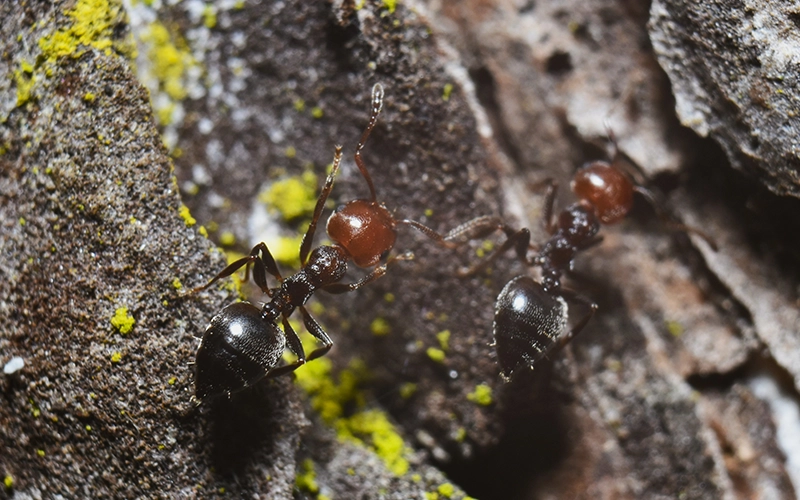
It’s important to distinguish fire ants from other species of ants. Unlike fire ants, many species of ants are relatively harmless and do not pose the same level of threat. Carpenter ants, for example, are much larger and dark in color. They don’t sting and are less aggressive compared to fire ants. If you’re uncertain whether you’re dealing with fire ants or another species, it’s always a good idea to contact a professional pest control service for an inspection.
Why You Need to Take Action
Fire ants can cause more than just painful stings. Their presence in your yard poses a risk to your family, pets, and even the local wildlife. Fire ant stings can cause severe allergic reactions, especially in young children and pets. In some cases, people have developed anaphylaxis after being stung by fire ants, which can be life-threatening without immediate medical attention.
Additionally, fire ants can damage the landscape. Their mounds disrupt the soil, killing grass and plants, and they can harm local ecosystems by displacing native ant species. Fire ants also have a tendency to invade homes in search of food, making them an even greater nuisance.
What to Do If You Have Fire Ants
If you’ve identified fire ants in your yard, the next step is to figure out how to get rid of them. Here’s how to approach the problem:
Use Fire Ant Bait The most effective way to treat fire ants is by using a fire ant bait. Fire ant baits contain a slow-acting insecticide that the ants mistake for food. Once they bring the bait back to the colony, it kills the queen and other ants, gradually wiping out the colony. It’s important to apply the bait a few feet from the mound rather than directly on it, as this will encourage the ants to collect the bait and return it to the nest.
Hot Water Treatment For a more immediate approach, you can pour boiling water directly onto the mound. This method can kill a portion of the colony, but it’s unlikely to eliminate the entire nest, and fire ants will often relocate after such treatments. It’s best used as a temporary solution.
Call a Professional If fire ants are a persistent problem in your yard, it’s best to consult with a professional pest control service. They can provide targeted treatments that are more effective than store-bought products. Services like removing fire ants from your yard are part of many pest control programs and are essential for long-term prevention.
Preventing Fire Ants
After eliminating an active infestation, it’s important to take steps to prevent fire ants from returning. Keeping your yard well-maintained by reducing standing water, clearing debris, and maintaining healthy grass can discourage fire ants from setting up new colonies.
Some homeowners also opt for preventative fire ant treatments, which involve spreading fire ant bait throughout the lawn at the beginning of the warm season. This can help keep fire ants at bay before they have a chance to establish a colony.
Conclusion: Take Control of Fire Ants Before They Take Control of Your Yard
Fire ants are more than just an inconvenience—they can be dangerous to your family and pets. By learning how to identify fire ants and their mounds, you can take the necessary steps to remove them from your yard before they become a bigger problem. Whether you choose to use fire ant bait, home remedies, or call in a professional, the key is to act quickly.
For homeowners looking to reduce their environmental impact, Eco-friendly pest services can provide an alternative solution for dealing with fire ants without harming the environment. By regularly monitoring your yard and seeking professional help when needed, you can keep your outdoor space safe and fire ant-free year-round.
Related Posts

Woodlouse Spider in Your Home? Here’s What to Do
When it comes to unexpected household guests, spiders often top the list of unwelcome visitors.…

Flies in Your Restaurant? Here is How to Handle Them
Flies in your restaurant can quickly turn a pleasant dining experience into a customer complaint.…

How to Be Fully Prepared for a Restaurant Health Inspection
Health inspections can feel like a daunting task for any restaurant owner or manager. The…
Leave a Reply