
How to Protect Your Atlanta Home from Drywood and Subterranean Termites
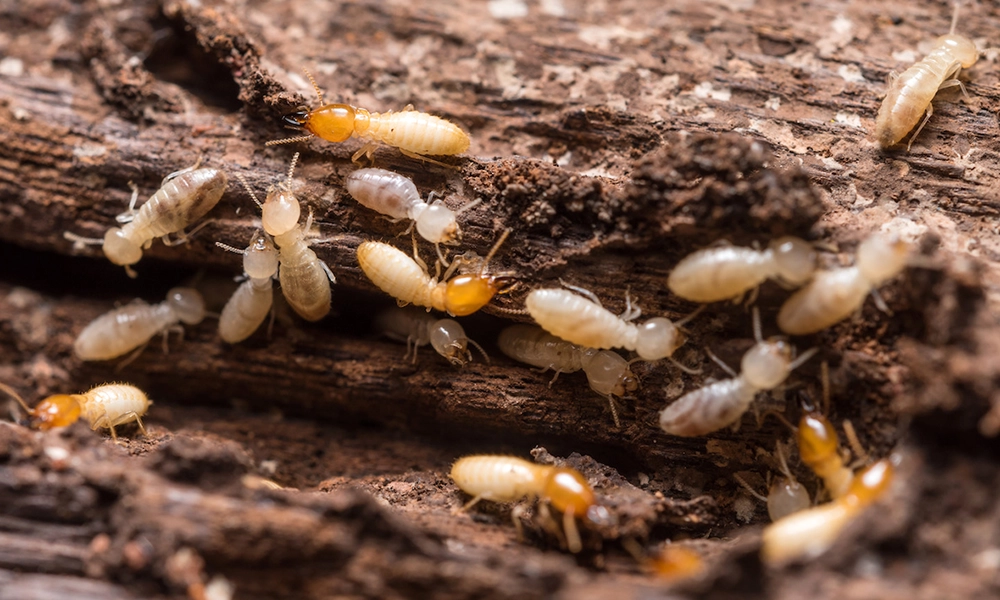
Termites are one of the most destructive pests for Atlanta homeowners, and two of the most common culprits are drywood and subterranean termites. While these two types of termites may differ in behavior and habitat, they share one thing in common: the potential to cause extensive damage to your home if left unchecked. Protecting your home from these wood-destroying pests requires understanding their habits and knowing what steps to take to keep them at bay.
In this article, we’ll guide you through the best practices to protect your home from drywood and subterranean termites and offer actionable tips to ensure your property stays termite-free.
Understanding Drywood and Subterranean Termites
Before diving into prevention methods, it’s essential to understand the differences between drywood termites and subterranean termites. Each type behaves differently, and knowing how to spot the signs of an infestation early can make all the difference in protecting your home.
Drywood Termites: Unlike their subterranean counterparts, drywood termites do not need soil contact to thrive. These termites live directly within the wood, and they typically infest dry areas like your attic or wooden furniture. They are harder to detect as they leave very few outward signs of their presence, often burrowing deep inside wood structures.
Subterranean Termites: These termites require constant moisture to survive, which is why they typically build colonies in the soil near or beneath homes. They create mud tubes as tunnels to move between their colonies and food sources. Subterranean termites are often more aggressive and can cause severe structural damage more quickly than drywood termites.
Knowing the difference between drywood vs subterranean termites helps you identify which type might be invading your home and how to target the right treatment method.
How Termites Enter Your Home: Common Entry Points
Both drywood and subterranean termites are experts at finding their way into your home. Here are some common entry points that termites use to invade:
Cracks in the Foundation: Termites can slip through even the smallest cracks in your home’s foundation, gaining direct access to wood structures.
Wood-to-Soil Contact: Subterranean termites often enter homes where wood meets the soil, such as porch posts, deck supports, or landscaping timbers.
Attic and Roof Spaces: Drywood termites can access your home through vents, eaves, or gaps in roofing materials. Once inside, they establish colonies in wooden beams and rafters.
Plumbing and Utility Openings: Any gaps around pipes, wires, or utility conduits can serve as a termite entry point, especially in damp areas like bathrooms and kitchens.
Regularly inspecting these areas can help you detect termites early before they cause significant damage.
The Cost of Ignoring Termites: What’s at Risk?
Termite damage can be extensive and costly. Here’s what you risk by ignoring an infestation:
Structural Damage: Termites feed on wood, and over time, they can weaken your home’s structural integrity, leading to costly repairs.
Furniture and Belongings: Drywood termites can infest wooden furniture, books, and even picture frames, causing irreversible damage.
Lower Property Value: A termite infestation, even if treated, can lower your home’s resale value. Potential buyers may be wary of hidden damage or future infestations.
By taking proactive steps to prevent termites, you can avoid these costly outcomes.
Signs of Termite Infestation: What to Watch For
No matter which type of termite you’re dealing with, early detection is crucial. Here are common signs that termites may have taken up residence in your home:
Swarming: Both drywood and subterranean termites swarm when they are looking to establish a new colony. These winged termites, or alates, are often mistaken for ants. You may notice them around light sources like windows or doors.
Mud Tubes: Subterranean termites build thin, pencil-like tubes along your foundation walls or crawlspaces. These tubes allow them to travel safely between the ground and your home’s wood structures.
Discarded Wings: After termites swarm, they shed their wings. If you find piles of wings near windowsills or in corners, it’s a sign that termites are nearby.
Hollow Wood: Drywood termites eat wood from the inside out, leaving behind hollow spaces. If wood in your home sounds hollow when tapped, it could be a sign of infestation.
Frass (Termite Droppings): Drywood termites produce wood-colored droppings, which often pile up like sawdust around infested wood.
Key Termite Prevention Strategies for Homeowners
The best way to protect your home from termites is to be proactive. Follow these essential tips to prevent termites from gaining a foothold in your home:
Eliminate Wood-to-Soil Contact: Since subterranean termites need moisture from the soil, make sure no wooden parts of your home are touching the ground. This includes porch posts, siding, and steps. If wood must be in contact with soil, consider using termite-resistant wood or treating the wood with termiticide.
Control Moisture Around Your Home: Subterranean termites are drawn to moisture. Ensure that gutters are clean, downspouts are functioning properly, and that there’s no pooling water near your home’s foundation. Repair leaking pipes or faucets immediately and use a dehumidifier in areas prone to moisture, such as basements or crawlspaces.
Seal Cracks and Gaps: Termites can enter your home through tiny cracks in the foundation, walls, or around windows and doors. Regularly inspect your home’s exterior and seal any gaps or cracks with caulk or weatherstripping.
Reduce Wood Storage Near the Home: Storing firewood, lumber, or other wooden materials near your home’s foundation can attract termites. Keep any wood storage at least 20 feet away from your house and elevate it off the ground if possible.
Inspect Wooden Structures: Regularly check wooden structures such as decks, fences, and porches for signs of termite damage. Catching an infestation early in these areas can prevent it from spreading to your home.
Annual Termite Inspections: Having your home professionally inspected for termites on an annual basis is one of the best ways to catch a potential infestation before it becomes a serious issue. Many termite prevention services offer routine inspections to help identify problems early.
What to Do if You Suspect Termites in Your Home
If you suspect that termites have already invaded your home, it’s crucial to act quickly. Here are some common treatment options for drywood and subterranean termites:
Baiting Systems: These systems are designed to lure termites into traps where they consume a slow-acting poison. The poison is carried back to the colony, ultimately eliminating it. Baiting systems are often used for subterranean termites, as they feed on cellulose (found in wood) and can be attracted to the bait.
Liquid Termiticides: Liquid barriers can be applied around the foundation of your home, creating a protective barrier that kills termites on contact. These treatments are particularly effective against subterranean termites.
Fumigation: If you’re dealing with a large drywood termite infestation, fumigation might be necessary. During fumigation, your home is sealed, and a gas is pumped in to kill termites hiding in wood. While this treatment is effective, it requires the homeowner to vacate the home for several days.
Localized Wood Treatment: For smaller drywood termite infestations, localized treatment options like injecting termiticides directly into the wood may be effective. These treatments target specific areas of infestation without requiring whole-home fumigation.
Why Termite Prevention is Key for Homeowners
Prevention is always better than cure when it comes to termites. By following the prevention tips outlined above and staying vigilant for signs of infestation, you can protect your home and avoid the costly repairs that often accompany termite damage. Termite prevention services can provide extra peace of mind, ensuring your home stays safe from these destructive pests.
Absolute Best Pest Control offers a range of termite prevention services, from thorough inspections to effective treatments that keep your home safe from drywood and subterranean termites. Remember, catching termites early can save you from costly repairs down the line.
Conclusion: Long-Term Pest Control Solutions
Protecting your home from termites requires vigilance and proactive measures. By eliminating wood-to-soil contact, reducing moisture, and sealing cracks, you can drastically reduce the chances of an infestation. Regular inspections and timely treatments are also key to keeping your home termite-free. For comprehensive and long-term pest control solutions, Absolute Best Pest Control is here to help.
Related Posts

Woodlouse Spider in Your Home? Here’s What to Do
When it comes to unexpected household guests, spiders often top the list of unwelcome visitors.…

Flies in Your Restaurant? Here is How to Handle Them
Flies in your restaurant can quickly turn a pleasant dining experience into a customer complaint.…

How to Be Fully Prepared for a Restaurant Health Inspection
Health inspections can feel like a daunting task for any restaurant owner or manager. The…
Leave a Reply