
How to Prevent Common Stinging Pests in Your Atlanta Home
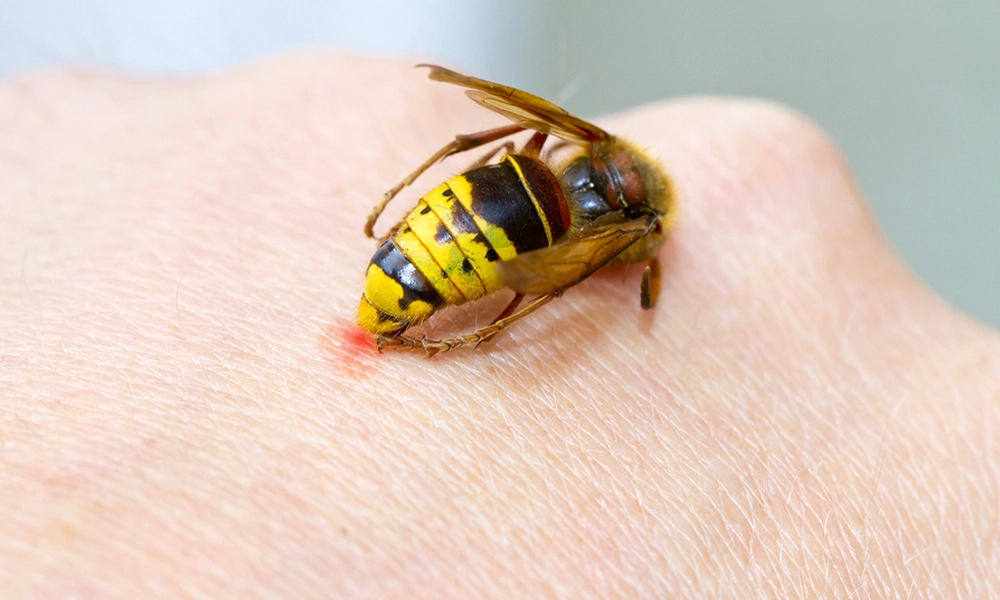
Atlanta is a city filled with beautiful parks, outdoor spaces, and warm weather, but with that beauty comes a downside – stinging pests. From mosquitoes to wasps, these tiny intruders can quickly turn a fun day in your backyard into an unpleasant experience. If you’re living in Atlanta, knowing how to prevent these stinging pests is key to keeping your home and yard safe.
In this guide, we’ll go over the most common stinging pests in Atlanta, why they’re a problem, and how you can avoid them. Plus, we’ll highlight the best steps you can take to keep your space sting-free!
Understanding Common Stinging Pests in Atlanta
Stinging pests are more than just a nuisance. They can pose serious health risks, especially to those with allergies. From wasps to hornets to fire ants, Atlanta is home to a variety of these pests. Let’s break down some of the most common types.
Wasps
Wasps are a common sight during Atlanta’s warmer months. These flying insects build nests in hidden places like eaves, attics, and even in trees. They are highly territorial and can become aggressive if they feel their nest is threatened. A wasp sting is painful and, for some, can lead to allergic reactions that require medical attention.
Hornets
Hornets are larger and more aggressive than their wasp cousins. These stinging pests create large nests, often hanging from trees or rooflines. If disturbed, hornets won’t hesitate to defend their nest aggressively, and their stings can be even more painful than wasps. In severe cases, hornet stings may lead to anaphylactic shock, a life-threatening condition.
Yellow Jackets
Yellow jackets are social insects, often confused with bees. However, they are much more aggressive and likely to sting multiple times. They nest in hidden spots, like inside walls or underground, making them hard to spot until it’s too late. Their stings are particularly dangerous because, unlike bees, yellow jackets can sting repeatedly without dying.
Fire Ants
While not airborne like wasps and hornets, fire ants are still a major stinging pest in Atlanta. These tiny insects pack a punch with their sting, often attacking in swarms. Fire ant stings can cause painful welts that last for days, and in some cases, lead to severe allergic reactions.Learning the ways to prevent fire ants is essential, as these pests are known to establish their colonies in grassy areas, creating potential hazards for children and pets.
Why Stinging Pests Are So Prevalent in Atlanta
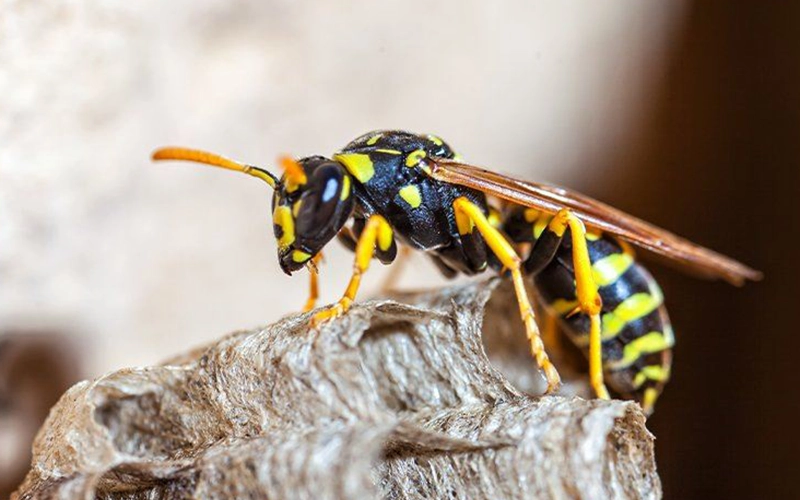
Atlanta’s warm, humid climate provides the perfect breeding ground for stinging pests. The long spring and summer seasons allow these insects to thrive, and they often seek out spaces near human activity for easy access to food and water.
Warm Weather: Stinging pests are most active during the warmer months, which means Atlanta’s long summers provide them with ample time to establish nests and multiply.
Abundant Food Sources: Whether it’s sweet food, drinks, or outdoor trash cans, stinging pests are attracted to the same things we enjoy during the summer months.
Urban and Suburban Habitats: With Atlanta’s blend of city and nature, there’s no shortage of trees, gardens, and outdoor structures where stinging pests can build their nests.
Preventing Stinging Pests Around Your Home
Keeping stinging pests at bay requires a combination of preventive measures and regular monitoring. Here are some effective strategies to avoid them in and around your home:
1. Seal Entry Points
Wasps and hornets love to nest in hidden spots around your home. Check for cracks or gaps around windows, doors, and your home’s foundation, and seal them properly. This prevents pests from getting inside and building nests in your attic or walls.
2. Remove Food Sources
Stinging pests are attracted to food and drink. Make sure to cover outdoor food, especially during barbecues and picnics. Properly secure garbage cans with tight-fitting lids to avoid attracting yellow jackets and other insects.
3. Eliminate Standing Water
Many stinging pests, particularly mosquitoes, breed in standing water. Regularly check your property for any sources of water, such as birdbaths, clogged gutters, or empty flowerpots. By doing so, you can help reduce mosquito infestation control efforts as well.
4. Maintain Your Yard
Overgrown plants and bushes can provide hiding places for stinging pests. Regularly trim your yard to reduce potential nesting areas. Removing fallen fruits and covering compost piles can also minimize attractions for wasps and hornets.
5. Schedule Regular Inspections
Even if you take all the right precautions, stinging pests can still find a way onto your property. That’s why it’s essential to have regular inspections done by a pest control professional. Early detection can prevent a small problem from becoming a full-blown infestation.
What to Do If You Spot a Nest
Spotting a nest around your home can be alarming, but it’s important not to panic. Here’s what you should do:
Stay Calm: Sudden movements can provoke wasps or hornets, so stay calm and move away slowly.
Don’t Disturb the Nest: Trying to knock down a nest on your own can lead to aggressive behavior from the pests. It’s best to leave it to the professionals.
Call a Pest Control Professional: If you notice a nest or have frequent encounters with stinging pests, contact a pest control expert to safely remove the nest and treat the area.
Natural Remedies for Stinging Pest Control
While professional pest control is the best way to ensure your home stays free from stinging pests, there are a few natural remedies that can help reduce their presence:
Essential Oils: Peppermint oil and eucalyptus oil are known to repel stinging pests like wasps. You can spray diluted oils around your home’s entry points and outdoor seating areas.
Citrus Peels: Stinging pests dislike the scent of citrus. Scatter orange or lemon peels around areas where you’ve seen activity to keep them away.
Cucumber Slices: Placing cucumber slices in high-traffic areas can help deter ants, including fire ants.
However, while these remedies may offer temporary relief, they won’t fully eliminate the problem. If you want long-lasting protection, it’s best to rely on pest control experts.
Conclusion
Stinging pests are a part of life in Atlanta, but they don’t have to ruin your outdoor fun or threaten the safety of your home. By taking the necessary precautions and addressing potential issues early, you can significantly reduce the presence of these unwelcome guests. If you’re facing a persistent problem with wasps, hornets, or fire ants, it’s time to seek professional help. At Absolute Best Pest Control, we offer comprehensive bug removal services to ensure your home stays pest-free year-round. Reach out to us today and let our experts handle the rest, so you can enjoy a safer, more comfortable home.
Related Posts

Woodlouse Spider in Your Home? Here’s What to Do
When it comes to unexpected household guests, spiders often top the list of unwelcome visitors.…

Flies in Your Restaurant? Here is How to Handle Them
Flies in your restaurant can quickly turn a pleasant dining experience into a customer complaint.…

How to Be Fully Prepared for a Restaurant Health Inspection
Health inspections can feel like a daunting task for any restaurant owner or manager. The…
Leave a Reply