
How to Prepare Your Home for Summer Pests
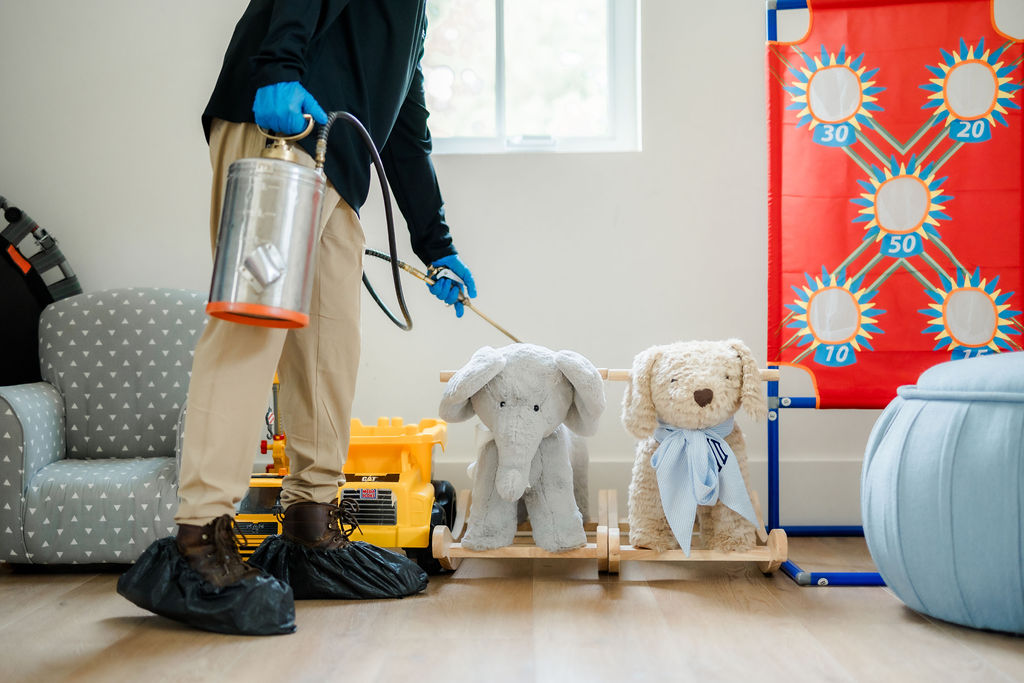
Summer is upon us, bringing with it sunny days, BBQs, and unfortunately, a surge in pest activity. As the temperatures rise, so do the chances of unwanted guests—ants, mosquitoes, termites, and more—invading your home and yard. Pests thrive in warm weather, and the longer days give them more time to seek out food, water, and shelter. But don’t worry, we’ve got you covered! Follow these essential tips to prepare your home and yard for the summer season.
1. Clean Your Yard
Bugs adore clutter. Piles of leaves, branches, and other yard trash present ideal nesting and breeding conditions for pests. Keeping your yard clean will help keep the pests away. Pick up any fallen branches or leaves and other debris. Keep your grass trimmed and your hedges neatly pruned. Ticks and mosquitoes, among other bug infestations, are very partial to overgrown areas, so don’t give them any opportunity to settle.
Also, make sure the compost bin you set up is sealed against pests. That can form a food source for wild intruders, although otherwise, it is an environmentally friendly task. If using mulch in a garden, don’t pile it up right against the foundation of your home, which can naturally attract termites and other pests.
2. Eliminate Standing Water
Mosquitoes can multiply in any amount of standing water. Take a walk around your property and look for areas where water accumulates, including birdbaths, plant saucers, clogged gutters, and even children’s toys. Be diligent about emptying regularly and cleaning these areas out on a regular basis. Fix any leaky hoses or faucets that may create pools of water. Remove standing water, and you will go a long way to reducing the mosquito population around your home.
If you have a pool or fountain, make sure it’s well-serviced. Stagnant water is to mosquitoes like rolling out the red carpet. Maintaining water features clean and circulating will prevent mosquitoes from using them for breeding grounds. If the situation still persists, try implementing targeted mosquito control measures.
3. Fill Cracks and Gaps
These entry points can provide easy entries for pests to gain access to your home. Cracks in your foundation, spaces around your windows and doors, and holes in your walls could all be easy entries for insects. Inspect the exterior of your house for any of these potential entry points and seal them up with caulk or weather stripping.
Pay particular attention to where utility lines and pipes enter your home; these are areas that are often overlooked but can be prime spots for pest entry. Don’t forget to check your roof! Be sure that vents are properly covered and that your chimney has a cap to prevent entry by critters such as birds or squirrels.
4. Keeping The Kitchen Clean
Food for the pest: The kitchen is a foraging ground for pests. Even a few crumbs on the counter will appeal to ants, cockroaches, and other insects. Just make sure to clean in the kitchen after every meal by wiping counters, sweeping floors, and taking out the trash regularly. Pack edibles in air-tight containers: this will deny entry to pests and avoid keeping dirty dishes overnight in the sink.
Consider doing a deep clean of the pantry and cupboards. You would not believe how many pests live in there if you have old food packaging. Take this opportunity to throw away all expired food and be sure every food item is well covered.
5. Protect Your Trash
Indoor as well as outdoor rubbish will attract pests. Ensure that your dustbins are fitted with tight lids. Dispose of refuse regularly, and keep outdoor bins at a safe distance from homes so that pests are not directed toward them.
If you live where wildlife is typical—raccoons, species of opossum, or even feral dogs—use bungee cords secured over the tops of your outdoor garbage containers. The fewer places pesky critters and wildlife have to access garbage, the less likely they are to hang around.
6. Light Up Strategically
Did you know that insects are attracted to light? To minimize the appearance of piles of bugs around your home, consider minimizing the use of outdoor lights at night. Use yellow or amber light bulbs that are less attractive to insects. Also, keep these lights turned down low and directed away from doors and windows to reduce the likelihood of bug entry.
It is also a great idea to use citronella candles or torches to keep mosquitoes and other flying insects away while outside. You may want to set them around the “BBQ” or outdoor party.
7. Protect Your Pets
Your pets may even unknowingly bring in pests. Ticks, fleas, and other parasites may latch onto your furry friends. If you keep your pets on a recommendation of flea and tick treatment by veterinary clinics during the summer months, you won’t have to worry. Monitor your pets’ fur and skin for parasites at all times, and especially check after outings outside.
Furthermore, wash the beddings and toys for your pet at frequent intervals in order to keep the pests in check.
8. Put In Place Door Sweeps And Window Screens.
As the bugs seek any easy access points at all times, therefore, you should check for your doors and windows if they are sealed all right. Putting door sweeps to all your outer doors is a preventive action from bug crossings inside. Similarly, a tight-fitting screen on the windows will prevent creepy crawling and flying pests from gaining access while letting fresh air in.
Look out for any holes or tears in screens and make sure to have them repaired. Even the smallest gap can be an open invitation to bugs.
9. Employ Natural Repellents.
There are tons of natural repellents that help keep the pests away. Essential oils such as peppermint, eucalyptus, and lavender are effective in repelling insects. For this, you just have to leave several cotton balls soaked with these oils in diverse places around your living area or dilute them in water and use this mix as a spray.
It will also help to plant herbs like basil, mint, and rosemary in your garden as another organic method to control pests. This does not add taste to the food but also contributes to the process of keeping undesirable insects away from the yard.
10. Call In The Professionals
While these tips can help you keep the pests at bay, sometimes the problem runs deep and what you have is an infestation that is going to require a more hands-on path. If you do feel a problem is being very stubborn in the sense that it pertains to pests, this is when you should call in the professionals. The pest control expert will identify the root cause of your infestation and devise a tailored plan for doing away with these pests and preventing them from reoccurring.
Absolute Best Pest Control seeks to offer several services between four seasons of the year to protect homes from pests. Whether you are pestered by wildlife, mosquitoes, or termites—or any other kind of pest—our company has the tools and expertise necessary to get the job done.
Conclusion
Summer pests can be a nuisance, but with a little preparation, you can keep them at bay. From cleaning up your yard to sealing cracks and gaps, these tips will help protect your home from unwanted visitors this summer. And remember, if you need professional assistance, don’t hesitate to reach out to Absolute Best Pest Control for a thorough inspection and customized treatment plan.
Related Posts

Woodlouse Spider in Your Home? Here’s What to Do
When it comes to unexpected household guests, spiders often top the list of unwelcome visitors.…

Flies in Your Restaurant? Here is How to Handle Them
Flies in your restaurant can quickly turn a pleasant dining experience into a customer complaint.…

How to Be Fully Prepared for a Restaurant Health Inspection
Health inspections can feel like a daunting task for any restaurant owner or manager. The…
Leave a Reply