
How to Keep Bugs Out of Your Firewood This Winter
There’s nothing quite like sitting in front of a roaring fire on a chilly evening, with the warmth radiating from the fireplace and that cozy crackling sound. But what’s not so cozy is realizing the firewood you just brought inside has a few unexpected hitchhikers – the kind with too many legs or wings. Bugs in firewood can quickly turn your cozy night into a creepy-crawly experience. So, what can you do to keep your firewood bug-free and your winter plans undisturbed?
Here’s everything you need to know about keeping pests out of your firewood and out of your home.
Firewood: A Magnet for Pests
The unfortunate truth is that firewood can be a dream home for a wide variety of pests. Wood-boring beetles, termites, carpenter ants, wasps, and even mice all find firewood particularly enticing. If improperly stored, your firewood could become a high-rise apartment complex for pests and once they’re in the wood, it’s just a short trip inside your house.
Common Pests Found in Firewood
Wood-Boring Beetles: These are the most common insects you might find in your firewood. They lay eggs under the bark, and their larvae tunnel into the wood. This isn’t just bad for your firewood – it’s bad news for your home if these beetles emerge after you’ve already brought the wood inside. They can live in wood for up to two years before emerging as adult beetles, meaning you could be housing them without even realizing it.
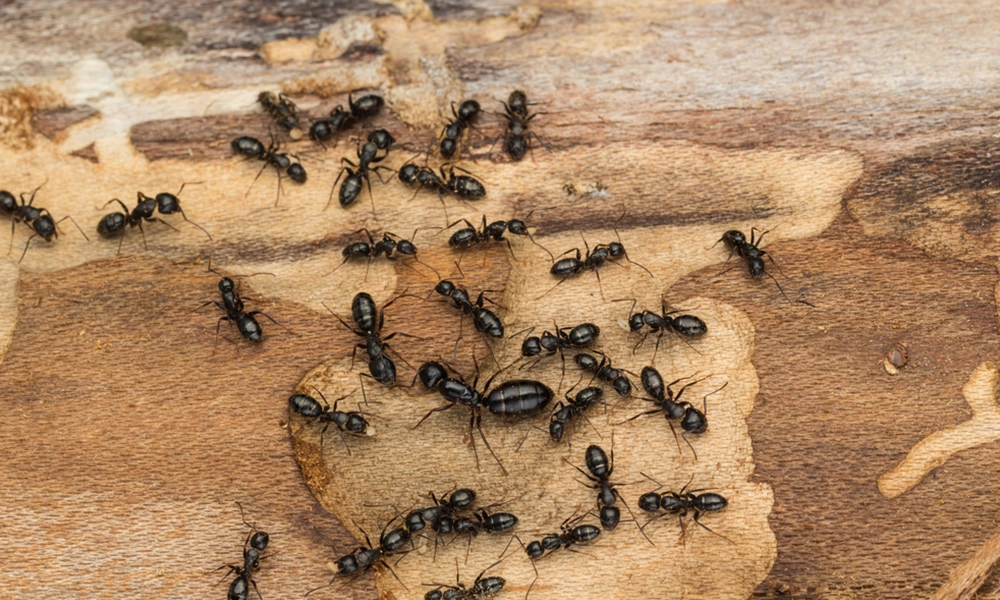
Carpenter Ants: Carpenter ants love damp wood. If your woodpile gets wet, it could become a perfect spot for a carpenter ant colony. Once these pests get into your firewood, they could make their way into your home, causing structural damage.
Termites: Termites are one of the most dreaded pests when it comes to firewood. They can infest damp wood, and if you bring infested firewood into your house, you could be inviting termites to your walls. To keep termites away, consider implementing termite barrier solutions around your home.
Carpenter Bees and Wasps: These insects also enjoy using firewood as a nesting site. Female carpenter bees drill holes to lay their eggs, while wasps may also nest in old wood. And while they’re not as destructive as termites, nobody wants a surprise sting when grabbing a log.
Mice and Rats: These critters aren’t technically bugs, but they can be just as much of a nuisance. Mice and rats love a warm, dry woodpile where they can nest, and once they’re settled in, they might just decide to explore your home, too.
How Bugs Get into Firewood
Pests are naturally drawn to firewood for shelter, food, and a place to breed. Freshly cut wood is particularly attractive because it still retains moisture and nutrients that many pests love. Bugs, rodents, and even fungi can quickly take advantage of these ideal conditions.
One of the most common ways pests get into your firewood is through contact with the ground. When firewood is stacked directly on the ground, it becomes a beacon for damp-loving insects like termites and carpenter ants. In addition, bugs can burrow under loose bark or hide in small crevices in the wood.
Storing Firewood Correctly to Avoid Pests
Now that we’ve covered the types of pests that can infest your firewood, let’s talk about how to store your firewood correctly to avoid these unwanted guests.
1. Stack Firewood Off the Ground
The first rule of storing firewood is keeping it off the ground. Use a firewood rack or stack your wood on pallets—anything that raises it at least six inches above ground level. This helps to keep your wood dry and discourages moisture-loving pests like termites from moving in.
A termite reticulation system is also a great preventative solution, especially if your wood is stacked near your home. This system creates a chemical barrier around your home that helps keep termites from getting anywhere close, including your precious firewood.
2. Store Firewood Away from Your Home
It’s tempting to stack firewood right next to the back door for easy access, but storing firewood too close to your home is a major no-no. Keep your woodpile at least 20 feet away from your house. This reduces the chances of pests migrating from the woodpile into your home. Plus, if you store firewood too close, you’re just giving dangerous spiders and rodents an easy path inside.
3. Keep Firewood Dry
Pests love damp, decaying wood. Keeping your firewood dry is essential to avoid infestations. Stack your wood in a way that promotes airflow, and cover it with a tarp or firewood cover to protect it from rain—but make sure not to cover the wood completely, as that can trap moisture. Proper ventilation is key to drying out your firewood and keeping pests away.
Identifying Signs of Firewood Infestation
No one wants to bring bugs inside their home, but it can happen even with well-stored firewood. Being able to identify signs of an infestation can help you nip it in the bud before it becomes a bigger issue.
- Beetle Holes: If you notice small round holes in the wood, it could mean wood-boring beetles have made your firewood their home.
- Sawdust: Termites and carpenter ants leave sawdust-like debris near the woodpile. If you see piles of sawdust, it’s a sign of trouble.
- Live Insects: If you see termites, ants, beetles, or wasps crawling around in your firewood, it’s time to take action to prevent termites from your home.
Best Practices for Using Firewood
Even with proper storage, some pests may still find their way into your woodpile. To keep pests out of your home, there are a few best practices to follow whenever you bring firewood indoors.
1. Only Bring in What You Need
One of the easiest ways to avoid a pest problem is to only bring in the amount of firewood you plan to burn right away. Don’t store extra wood inside, as any pests hiding in the wood will have extra time to make themselves comfortable in your home.
2. Inspect Wood Before Bringing It Inside
Take a moment to inspect each log before you bring it into your home. Knock the logs together to dislodge any bugs that might be hanging on and check for signs of infestation like beetle holes or sawdust.
3. Burn Infested Wood First
If you suspect some of your firewood may be infested, burn it immediately. Burning infested wood prevents pests from spreading, and it’s better to be safe than sorry when it comes to avoiding a pest invasion.
Avoiding Common Firewood Mistakes
Even the most well-meaning homeowners can make mistakes when storing or handling firewood. Here are some common missteps to avoid:
Mistake 1: Storing Wood Indoors for Extended Periods: Firewood is for the fire not for indoor decoration. Keeping wood indoors for long periods invites pests into your living space. Remember, only bring in what you’re planning to burn.
Mistake 2: Using Pesticides on Firewood: It may seem logical to spray insecticide on firewood to prevent pests, but it’s actually a bad idea. Burning chemically treated firewood can release harmful toxins into your home.
Mistake 3: Ignoring Proper Ventilation: Stacking firewood too tightly or using a full-coverage tarp can trap moisture, which attracts pests. Make sure to allow for good airflow through the pile.
Firewood Safety Tips
In addition to keeping bugs out of your firewood, you also need to keep safety in mind. Here are a few quick tips:
- Wear Gloves: Always wear gloves when handling firewood to avoid stings or bites.
- Watch for Dangerous Spiders: Spiders like to hide under loose bark or in the cracks of firewood. Be careful, especially when handling older logs.
- Burn Local Firewood: If you’re buying firewood, buy locally sourced wood to avoid spreading invasive species from one region to another.
Final Thoughts: Keep the Pests Out, Enjoy the Cozy
A cozy evening by the fire shouldn’t involve worrying about pests crawling out of your woodpile. By following these storage and safety tips, you can help ensure your firewood stays pest-free and ready for those cold winter nights. Keep it dry, stack it properly, and always inspect it before bringing it inside—and you’ll be on your way to a warm and bug-free winter season.
When in doubt, consult pest control professionals. For issues with termites, spiders, or rodents, professional help can provide peace of mind and ensure your home stays protected. If you’re facing an ongoing pest issue, consider solutions like a termite barrier or termite reticulation system to protect not only your firewood but also your home itself.
For more advice or assistance, reach out to Absolute Best Pest Control. We’re here to help you keep your home—and your cozy evenings by the fire—free from unwelcome guests.
Related Posts

Woodlouse Spider in Your Home? Here’s What to Do
When it comes to unexpected household guests, spiders often top the list of unwelcome visitors.…

Flies in Your Restaurant? Here is How to Handle Them
Flies in your restaurant can quickly turn a pleasant dining experience into a customer complaint.…

How to Be Fully Prepared for a Restaurant Health Inspection
Health inspections can feel like a daunting task for any restaurant owner or manager. The…
Leave a Reply