
How to Get Rid of Fire Ants in Your Atlanta Lawn

If you’re a homeowner in Atlanta, you’ve likely come across one of the South’s most notorious pests: fire ants. These aggressive, biting insects not only ruin the aesthetics of your lawn with their unsightly mounds but also pose a threat to your family and pets. Knowing how to identify and get rid of fire ants can save you from painful bites and potential infestations. In this guide, we’ll walk through the best ways to tackle fire ants in your yard, from professional solutions to DIY remedies.
Why Fire Ants Are a Serious Problem
Fire ants are not your average garden pests. Known for their painful bites and aggressive behavior, these insects can quickly take over your lawn if not addressed. When disturbed, fire ants swarm, attacking in large numbers and delivering multiple painful stings. While these stings may be painful for most people, they can be life-threatening for individuals who are allergic to fire ants.
Fire ants are particularly dangerous for children and pets, who may unknowingly disturb a fire ant mound while playing in the yard. For those sensitive to their venom, a bite could result in severe allergic reactions, including anaphylactic shock. Additionally, fire ants can cause significant damage to wildlife and livestock by attacking ground-nesting animals and competing with native species.
Identifying Fire Ants in Your Lawn
Before you can get rid of fire ants, you need to be able to identify them. Fire ants are small, reddish-brown ants that thrive in warm climates. In Atlanta, fire ants are most active from May to October, though they can remain active throughout the year in southern regions.
The key to identifying a fire ant problem is spotting their characteristic mounds. Fire ant mounds are typically dome-shaped and lack a visible entrance hole at the top. These mounds can grow rapidly and may appear in areas of your yard that receive full sun. Unlike other ant species, flying ant differ in appearance and behavior from fire ants, and it’s important not to confuse the two when planning treatment.
How to Get Rid of Fire Ants in Your Lawn
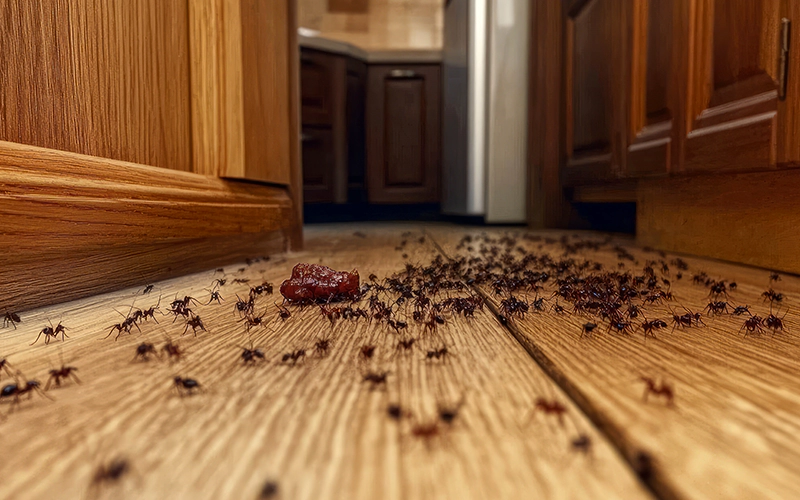
Once you’ve confirmed that fire ants have made a home in your yard, the next step is getting rid of them. Here are some of the most effective methods for eliminating fire ants:
1. Fire Ant Baits
The most recommended method for controlling fire ants is using fire ant baits. These products contain insecticides that the ants mistake for food. Worker ants carry the bait back to the colony, where it is shared with the queen and other ants, ultimately killing the entire colony.
To use fire ant bait effectively:
- Apply the bait around, but not directly on, the mound. Fire ants will find the bait as they forage.
- Spread the bait throughout your lawn for more extensive coverage.
- For best results, apply bait on a dry day when ants are most active (typically in the late afternoon or early morning).
It’s essential to remember that fire ant baits can take a few days to work, and multiple applications may be necessary, especially in large infestations.
2. Drenching the Mounds
For a more direct approach, consider using a mound drench. A mound drench involves pouring a liquid insecticide directly onto the fire ant mound, killing the ants inside. This method is ideal for smaller infestations or when you want immediate results. However, it only affects the mound that you treat, so it’s important to monitor your lawn for additional mounds that may pop up later.
3. DIY Solutions for Fire Ants
If you prefer to avoid chemical treatments, there are several home remedies you can try. While these methods are less effective in the long term, they can offer temporary relief from fire ants.
- Boiling Water: Pouring boiling water over the fire ant mound can kill the ants on contact. However, this method only affects the ants near the surface, and surviving ants may rebuild the mound elsewhere in your yard.
- Citrus Oil and Soap: A mixture of citrus oil, hot water, and dish soap can break down the fire ants’ exoskeletons, leading to their demise. While this method is eco-friendly, it may not eliminate the entire colony.
- Grits: Some believe that spreading grits over a fire ant mound causes the ants to consume the grits, which then expand in their stomachs, killing them. While there’s no scientific evidence to support this method, it’s a harmless and inexpensive option to try.
4. Professional Pest Control
For homeowners dealing with large infestations or those who want a guaranteed solution, professional pest control services may be the best option. Pest control companies, like Absolute Best Pest Control, offer specialized fire ant treatments that are more effective than over-the-counter solutions.
Professional treatments often involve a combination of baits and mound drenches to ensure that all colonies are eradicated. Additionally, pest control professionals can monitor your lawn and apply preventative treatments to keep fire ants from returning.
Preventing Fire Ants from Returning
Once you’ve eliminated fire ants from your yard, the next challenge is keeping them from coming back. Here are a few tips to prevent future infestations:
- Regular Lawn Maintenance: Keep your yard clean and well-maintained. Fire ants are attracted to food sources and moisture, so removing debris, such as fallen leaves or branches, can discourage them from settling in your yard.
- Eliminate Standing Water: Fire ants thrive in moist environments. Ensure that your yard has proper drainage, and eliminate standing water from birdbaths, clogged gutters, or poorly drained areas.
- Apply Preventative Treatments: Even after you’ve gotten rid of fire ants, it’s a good idea to continue treating your lawn with fire ant baits or preventative insecticides. This will reduce the chances of a new colony moving in.
Flying Ants vs. Fire Ants: Know the Differences
It’s essential to note that flying ants differ from fire ants in several ways. While fire ants tend to stay closer to the ground and build visible mounds, flying ants are a different species altogether. Flying ants often swarm during their mating season and typically don’t pose the same threat as fire ants. Still, it’s important to correctly identify the pests in your yard to determine the appropriate treatment.
Conclusion: Stay Vigilant to Keep Your Lawn Safe
Fire ants can be a persistent problem for Atlanta homeowners, but with the right strategies, you can protect your lawn and loved ones from these aggressive pests. Whether you choose to use baits, mound drenches, or seek professional help, addressing the issue quickly is key to preventing painful bites and further infestations.
If you’re struggling to keep fire ants at bay, consider reaching out to Absolute Best Pest Control for comprehensive fire ant solutions. With continued monitoring and the right approach, you can maintain a beautiful, ant-free lawn. Remember, when it comes to keeping your yard pest-free, it’s crucial to stay ahead of potential pest infestation solutions.
Related Posts

Woodlouse Spider in Your Home? Here’s What to Do
When it comes to unexpected household guests, spiders often top the list of unwelcome visitors.…

Flies in Your Restaurant? Here is How to Handle Them
Flies in your restaurant can quickly turn a pleasant dining experience into a customer complaint.…

How to Be Fully Prepared for a Restaurant Health Inspection
Health inspections can feel like a daunting task for any restaurant owner or manager. The…
Leave a Reply