
How to Humanely Get Rid of Chipmunks in Atlanta
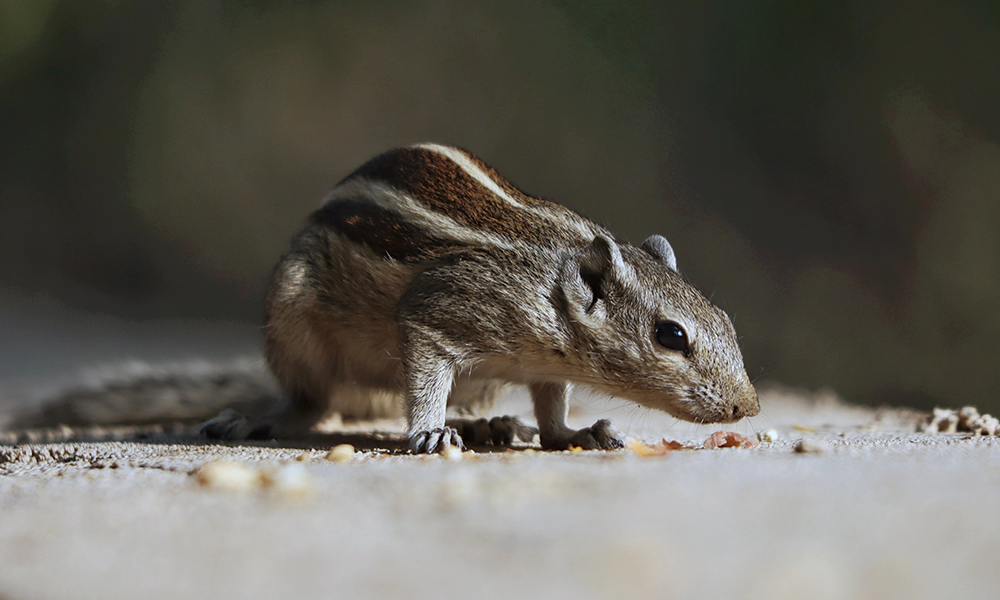
Chipmunks, with their small, furry bodies and twitchy little noses, may seem adorable at first. But, if they start causing havoc in your yard or garden, they can quickly become a nuisance. While chipmunks don’t cause the same level of damage as other rodents, they can still burrow tunnels, eat your plants, and even find their way into your home. The good news is that there are plenty of humane ways to control chipmunks without harming them.
In this guide, we’ll explore how to identify chipmunks, signs of an infestation, and humane methods to keep these critters at bay.
Identifying the Types of American Chipmunks
Chipmunks are part of the squirrel family and are commonly found throughout North America including here in Georgia. The two species most often encountered by homeowners are the Eastern Chipmunk and the Least Chipmunk. Here’s a quick breakdown:
Eastern Chipmunks are reddish-brown with five dark brown stripes running along their back and sides. They are the larger of the two species, growing up to 12 inches long. They’re commonly found in the eastern United States and parts of Canada.
On the other hand, the Least Chipmunk is smaller, measuring 6 to 10 inches long, and has lighter brown fur with five black stripes. These chipmunks are widespread in the western U.S. and Canada.
Despite their regional differences, both species share similar behavior, including their preference for digging burrows in gardens, flower beds, and under patios.
Where Chipmunks Are Normally Found
Chipmunks are ground-dwelling animals and prefer to stay in habitats where burrowing is easy. They make homes in tunnels as long as 30 feet, often near gardens or under a pile of rocks or at the base of trees. In urban and suburban areas, they may dig under patios and decks or even find their way into basements.
While chipmunks are typically a territorial, solitary animal there is really nothing out of the ordinary to find many sharing the same residence. Multiple burrows, plants that have been chewed, or droppings near an individual’s residence may mean that there may be a chipmunk problem.
What Damage Can Chipmunks Cause?
Although chipmunks do not form large colonies, even one or two can be destructive. Burrowing could weaken a structure like a deck or patio, and if they get indoors, they may chew on wires or insulation. Commonly outdoors, they dig gardens, consume seeds, fruits, and vegetables, and might even dislodge bird feeders.
While they are typically not aggressive towards people, chipmunks are disease carriers and can lead to salmonella along with other diseases like hantavirus and plague-borne fleas. It is, thus, important that chipmunk problems be handled before they get out of hand.
How To Humanely Get Rid Of Chipmunks
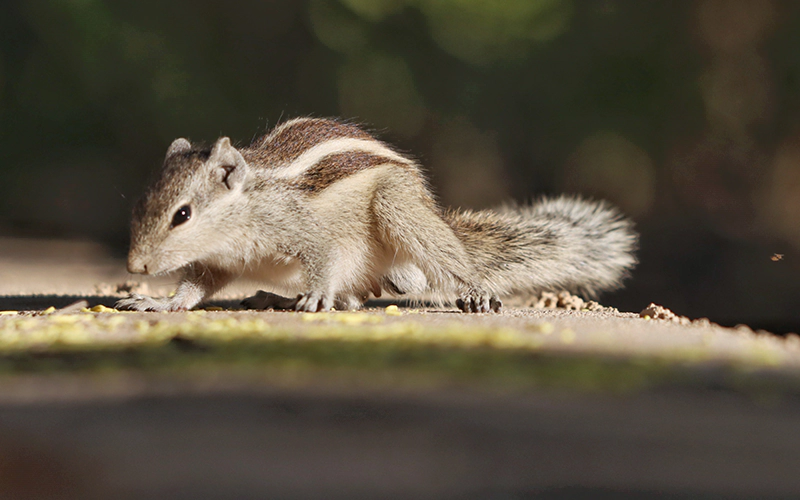
Chipmunks in your yard or house can be spiritually and physically vexing. If chipmunks in your yard or home are posing a problem, there are several humane ways to discourage their staying on your property. The idea is to make your property less attractive while providing safe means of chipmunk removal with no harm.
Prevention
An ounce of prevention is always better than a pound of cure. To make your yard less appealing to chipmunks:
- Clear Debris: Wood piles, brush, and fallen branches should be removed as this may provide shelter for chipmunks.
- Seal the entrances: Chipmunks can enter even the tiniest gaps. Seal cracks along your home’s foundation, garage doors, or window wells.
- Barriers: Installing mesh barriers, such as metal mesh or chicken wire around garden beds, flower pots, or the base of trees, can provide a barrier to burrowing.
- Eliminate Food Sources: Chipmunks are fond of feeding on chopping blocks used for bird feeders, pet foods, and fruit trees. Store food in rodent-proof containers and immediately clean up all fallen seeds or fruits.
Chipmunk Repellents
If deterrents are not sufficient, use repellents to persuade chipmunks to leave and not stay too long. Here are some of the great ones:
- Human Hair: This can be scattered around garden beds or individual plants. It is assumed that the smell may deter chipmunks.
- Ultrasonic repellents: Ultrasonic repellents are also available, whereby special devices emit high-frequency sound waves around your yard that keep chipmunks away. Basically, these are really effective, particularly around the foundations and beds of gardens.
- Liquid Repellents: Commercial rodent or squirrel repellents often work well against chipmunks. Spray them around areas where chipmunks tend to burrow or forage.
- Homemade Deterrents: Cayenne pepper mixed with water and dish soap is a good chipmunk repellent. This can be sprayed around garden beds or sprayed near burrow entrances.
Catch and Release Chipmunks
When chipmunks have invaded your yard or home, removal by trapping is arguably the best control method. You can use humane traps, which enable catching the chipmunk safely with no damage to it. Here is how to do it:
Choose a Single-Door Trap: Chipmunks need a small, single-door trap. Place bait such as peanut butter on the trigger plate of this trap.
Set the trap near an area of chipmunk activity: These animals are active and will often leave droppings, tunnels, or food remnants in their wake; this is where you set your trap.
Check the Trap Often: When the chipmunk is caught, throw a towel over the top of the trap to keep the chipmunk docile. Transfer the chipmunk at least five miles away in a wooded area or field, well away from your house.
Note that movement of live animals can be restricted in some places because of local wildlife regulations.
Hiring Professional Wildlife Pest Control
If you’re dealing with a larger chipmunk problem or simply prefer not to handle it yourself, you can hire a professional wildlife pest control service. These experts use humane methods to trap and relocate chipmunks, ensuring they’re removed safely without causing harm to the animals. Some services also offer exclusion and prevention plans to stop chipmunks from returning.
How Much Does It Cost to Remove Chipmunks?
Hiring a professional to handle chipmunk removal generally costs between $150 and $600, depending on the complexity of the job and your location. Chipmunks tend to be on the lower end of the scale compared to larger wildlife removal services. Be sure to get an estimate from your local pest control company.
Long-Term Chipmunk Prevention Tips
After you’ve removed the chipmunks from your yard, it’s essential to take steps to prevent them from coming back. Here are some tips:
- Regular Yard Maintenance: Keeping your yard clear of debris, woodpiles, and rock structures will reduce the chances of chipmunks returning.
- Control Food Sources: Clean up any fallen fruits, nuts, seeds, or pet food that could attract chipmunks. Store food in sealed containers, and consider moving bird feeders further from your home.
- Install Physical Barriers: Use wire mesh or chicken wire to create a barrier around plants and garden beds. Additionally, caulk any small cracks around the home to prevent chipmunks from sneaking inside.
Conclusion
Chipmunks may be cute, but they can quickly become a nuisance if left unchecked. Thankfully, there are plenty of humane ways to get rid of them. By following the prevention methods outlined here and using repellents or humane traps, you can keep your yard chipmunk-free without causing harm. If you’d rather not handle it yourself, hiring professional services like Absolute Best Pest Control is an excellent option. They’ll ensure your home is chipmunk-free while maintaining a humane approach to wildlife removal.
Related Posts

Woodlouse Spider in Your Home? Here’s What to Do
When it comes to unexpected household guests, spiders often top the list of unwelcome visitors.…

Flies in Your Restaurant? Here is How to Handle Them
Flies in your restaurant can quickly turn a pleasant dining experience into a customer complaint.…

How to Be Fully Prepared for a Restaurant Health Inspection
Health inspections can feel like a daunting task for any restaurant owner or manager. The…
Leave a Reply