
Why Pest Control is Essential for Retaining Lodging Guests
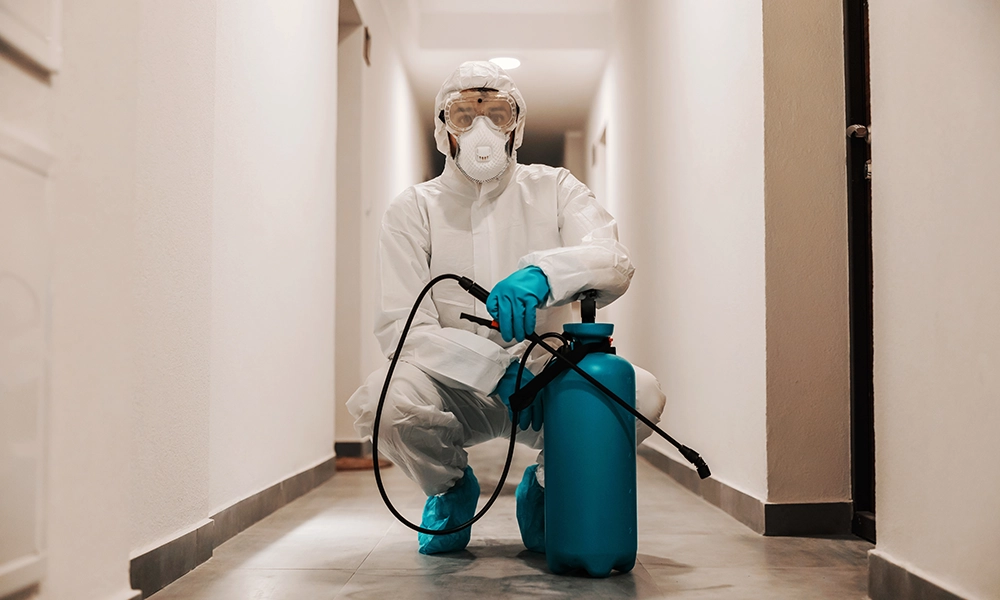
In the lodging industry, guest experience is everything. One negative review can set off a ripple effect, potentially impacting your establishment’s reputation. For hotel managers and owners, maintaining a clean, comfortable environment is essential and that means keeping pests out. From bed bugs to cockroaches, pests pose more than a minor inconvenience; they carry significant risks to health and can lead to costly damages. In this article, we’ll explore why proactive pest control measures are essential in retaining your guests and maintaining a stellar reputation for your property.
Understanding the Risks of Pest Infestations in Hotels
When guests check into your hotel, they expect a welcoming, pristine room. Unfortunately, hotels offer an ideal environment for certain pests due to high guest turnover, shared spaces, and plenty of hiding spots. Here are some of the most common pests that can disrupt the guest experience:
Bed Bugs: Perhaps the most dreaded of hotel pests, bed bugs are notorious for spreading through travelers’ belongings. These tiny insects leave itchy bites on guests, causing discomfort and, in some cases, severe allergic reactions.
Cockroaches: Known to trigger asthma and allergy symptoms, cockroaches are more than just unpleasant to look at. They contaminate food sources and surfaces with harmful pathogens, posing a health risk to both staff and guests.
Rodents: Mice and rats can damage property by gnawing on wiring and furniture. Their presence can also lead to contamination of food and kitchen surfaces, endangering the health of your guests.
Each of these pests has the potential to bring discomfort, disease, and a tarnished reputation to your hotel. Ensuring that these unwelcome visitors are kept out is vital for guest satisfaction and for the long-term success of your establishment.
The Health Risks of Common Pests in Hotels
The presence of pests in your hotel doesn’t just result in unpleasant encounters—it also introduces potential health risks for your guests. Bed bugs, for example, while not directly linked to disease, cause irritating bites that can lead to secondary infections if scratched excessively. Cockroaches, on the other hand, are known carriers of bacteria, including salmonella and E. coli, which can lead to foodborne illnesses when they contaminate kitchen or dining areas.
Rodents, another common issue in larger establishments, also pose severe health risks. Their droppings, saliva, and urine can spread diseases such as Hantavirus and leptospirosis. Moreover, rodents often bring fleas, ticks, and mites into the hotel environment, introducing even more health hazards. The health risks of common pests serve as a reminder of why preventative pest control is not only a matter of guest comfort but also guest safety.
Financial Implications of a Pest Infestation
Hotels operate on a delicate balance of occupancy rates, guest satisfaction, and operational costs. A pest infestation, however, can disrupt this balance by introducing both immediate and hidden costs. For instance, the cost of eradicating a bed bug infestation can be steep, particularly when it requires closing down rooms for extensive treatments. When considering the hidden cost of ignoring pest control, it becomes clear that proactive measures are more economical in the long run. Failing to address pest issues promptly can lead to:
Lost Revenue: Rooms affected by pests may need to be closed for treatment, resulting in lost revenue during peak seasons.
Increased Operational Costs: Infestations can require deep-cleaning services, specialized treatments, and potentially, compensation to affected guests.
Damage to Reputation: In the age of online reviews, a single guest complaint about bed bugs or cockroaches can spread quickly and dissuade future bookings.
By investing in regular pest control, hotels can minimize these hidden costs and focus on providing an uninterrupted, positive experience for their guests.
How Pest Control Enhances Guest Satisfaction
Guests expect a comfortable, safe environment when they book a hotel stay, and pest control plays a significant role in meeting these expectations. When a guest notices pests in their room, they’re not only likely to feel uncomfortable, but also to perceive the hotel as unclean or poorly managed. Proactive pest control allows hotels to prevent these negative perceptions, which is crucial for retaining loyal customers. Here’s how pest control directly impacts guest satisfaction:
- Maintains Cleanliness Standards: Guests equate cleanliness with quality. By keeping pests at bay, you ensure that guests experience the highest standards of cleanliness, resulting in a more favorable impression of your hotel.
- Provides Peace of Mind: When guests know that a hotel takes pest control seriously, they feel more at ease, knowing that health and hygiene are priorities.
- Reduces the Risk of Complaints: Proactive pest control can prevent the kinds of experiences that lead to negative reviews, helping your establishment maintain a positive reputation on online platforms.
- Increases the Likelihood of Repeat Business: Satisfied guests are more likely to return and recommend your hotel to others. Effective pest control keeps guests coming back and builds brand loyalty over time.
Establishing a Robust Pest Control Strategy for Your Hotel
Now that the importance of pest control is clear, the next step is establishing a robust strategy that ensures your hotel remains pest-free. A comprehensive pest control plan not only involves regular inspections but also includes preventive measures, staff training, and guest awareness. Here’s a step-by-step guide to developing a pest control plan that aligns with hotel operations:
1. Conduct Regular Inspections
Routine inspections are the first line of defense against pests. Schedule inspections at least once a month to catch any issues before they escalate. During these inspections, check for signs of pest activity, such as droppings, gnaw marks, or nests. Regular inspections help ensure that any pest presence is detected and managed early.
2. Train Staff on Early Detection
Your hotel staff can be an invaluable asset in identifying potential pest issues before they affect guests. Train housekeeping, maintenance, and front desk staff to recognize signs of common pests and report any findings immediately. Additionally, ensure that staff are aware of high-risk areas, such as laundry rooms, food storage areas, and guest rooms, where pests are more likely to be found.
3. Implement Preventative Measures
Preventing pests from entering your hotel is more cost-effective than dealing with an infestation after the fact. Ensure that doors and windows are properly sealed, that garbage is disposed of regularly, and that all food storage areas are clean and secure. For added protection, consider installing screens on windows and air vents to keep pests out.
4. Work with a Professional Pest Control Service
While internal efforts are essential, professional pest control services offer a level of expertise and resources that can significantly reduce the risk of infestations. Companies specializing in commercial pest management services can conduct more thorough inspections, use advanced treatments, and offer tailored solutions that address the unique needs of hotels.
A professional pest control provider can also help you establish ongoing monitoring and treatment schedules, ensuring that your hotel remains pest-free year-round.
Creating a Pest-Free Guest Experience
Your hotel’s reputation depends on the quality of the experience you provide, and a pest-free environment is a major component of that experience. A commitment to cleanliness, proactive measures, and professional pest control services allows you to offer guests a worry-free stay. Moreover, a pest-free hotel is more likely to generate positive reviews, increasing your establishment’s visibility and appeal in the market.
As guests become more discerning, they place an increasing emphasis on health and hygiene. Pest control is a fundamental part of these priorities, showing that your hotel takes guest well-being seriously. A pest-free environment contributes to an overall sense of comfort, safety, and satisfaction that keeps guests coming back.
The Role of Guest Communication in Pest Control
Pest control isn’t just about eliminating pests; it’s also about reassuring guests that your hotel prioritizes their comfort. Here are some effective ways to communicate your commitment to pest control without raising alarm:
- Showcase Cleanliness Initiatives: In your promotional materials and website, highlight your dedication to a clean and hygienic environment. Mention that pest control is part of your routine maintenance to emphasize your commitment to guest safety.
- Offer Transparency if Necessary: In the rare event that a pest issue arises, handle it with transparency. Let guests know that you have the situation under control and are taking steps to ensure it doesn’t reoccur.
- Reassure Guests Through Reviews: Encourage satisfied guests to leave positive reviews mentioning your hotel’s cleanliness. Reviews highlighting cleanliness can offset concerns and offer peace of mind to potential guests.
Conclusion: The Value of Pest Control in Retaining Guests
Ultimately, a proactive approach to pest control is one of the most valuable investments a hotel can make in guest satisfaction and retention. By preventing infestations before they occur, you save your establishment from costly shutdowns, mitigate health risks, and strengthen your reputation in the eyes of your guests.
Every hotel aims to provide a memorable, positive experience for its visitors. Pest control is an often-overlooked aspect of that experience but plays a crucial role in maintaining the standards that keep guests loyal. When you partner with professionals in commercial pest management services, you’re not only protecting your property but also enhancing the guest experience. And in the hospitality industry, guest experience is everything.
Related Posts

Woodlouse Spider in Your Home? Here’s What to Do
When it comes to unexpected household guests, spiders often top the list of unwelcome visitors.…

Flies in Your Restaurant? Here is How to Handle Them
Flies in your restaurant can quickly turn a pleasant dining experience into a customer complaint.…

How to Be Fully Prepared for a Restaurant Health Inspection
Health inspections can feel like a daunting task for any restaurant owner or manager. The…
Leave a Reply