How Do I Get Rid of Beavers in Atlanta?
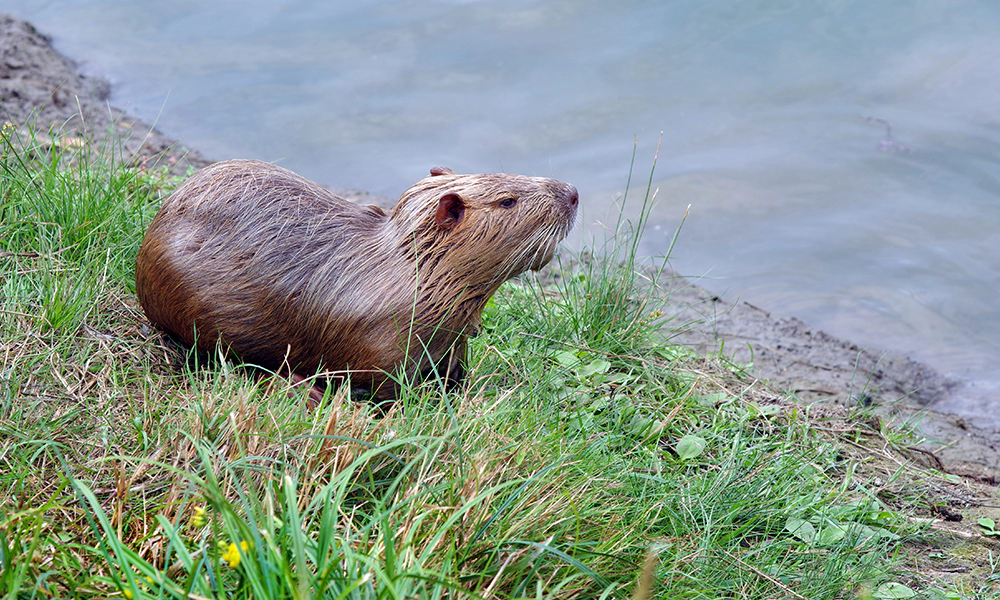
Beavers, nature’s master engineers, are undeniably fascinating creatures. Known for their industrious dam-building and ability to transform aquatic environments, they are a crucial part of the ecosystem. However, when their handiwork encroaches upon your property, especially in urban or suburban areas like Atlanta, they can quickly become a costly nuisance. If you’re dealing with beaver-related damage in or around your home, it’s important to take prompt action before the situation escalates. In this article, we’ll explore how to get rid of beavers in Atlanta while ensuring humane and effective wildlife control.
Identifying Beaver Activity in Atlanta
Before diving into how to remove beavers from your property, it’s essential to understand how to identify their presence. Beavers typically set up near bodies of water like ponds, lakes, or streams, which means properties with nearby water sources are most at risk. If you’re noticing these signs around your Atlanta property, it could be a clear indicator of beaver activity:
- Gnawed trees: Beavers chew down trees to construct their dams and lodges. If you notice bark stripped from trees or gnawed tree stumps near water, this is a telltale sign.
- Mud or stick piles: Beavers use mud, sticks, and other debris to build their dams, leading to elevated water levels or blockages in natural water flow.
- Dam structures: If water levels near your property are rising or changing unnaturally, look for dams or piles of wood and mud across streams or ponds.
- Lodges: Beavers construct lodges made of sticks and mud for shelter. These can be found near the water’s edge, sometimes protruding above the surface.
Knowing how to recognize beaver activity early is crucial to mitigating damage before it becomes a more serious problem.
Why Beavers Can Be a Problem to Your Property
Beavers may be in the right position to maintain wetlands and biodiversity, but on a property, their presence could introduce great issues. In areas with dense populations like Atlanta, where residential and commercial properties coexist with nature, problems associated with beavers often require quick intervention. Here are some of the common problems with beavers:
Flooding: Beaver dams are built for changing the water level to one’s liking. However, most of their grand structures block a stream or any other source of water and flood it, destroying property and roads at times, even irrigation systems.
Tree damage: Beavers rely on trees for food and building materials. Their persistent gnawing may destroy the vegetation on your property and kill trees that add aesthetic appeal and play a role in soil erosion control.
Soil erosion: Beavers dig burrows into the banks of ponds or streams, which may finally weaken the soil. Over time, this can result in serious erosion problems and even the collapse of the edges of bodies of water.
Unsightly landscapes: Other than structural damages, most beaver activities result in unsightly bezier piles of sticks, mud, and dead trees that will make your landscape unappealing. Sometimes, property management could be a little more difficult.
Beavers in Atlanta-How to Get Rid of Them
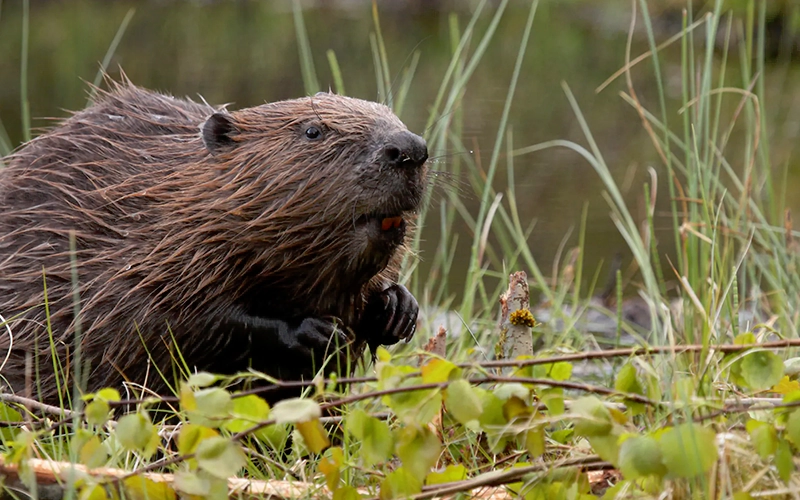
If you are faced with beavers on your premises in Atlanta, there is a need to take strategic measures in removing them harmlessly and effectively. Here’s one of the most effective ways to eliminate beavers while ensuring that their removal does not lead to harm to the environment:
1. Beaver Dam Demolition
One of the first steps to managing beaver activity is dismantling their dam. Beaver dams are made of sticks and branches cemented together with mud to assist in controlling the flow of water to their advantage. While taking out a dam would interfere with the beavers’ home, beware: beavers are determined creatures and may rebuild. You may only find success in repeatedly dismantling the dam multiple times or together with other methods to bar them from returning.
In particular, this is essential in the case of large water bodies since beaver dam removal is dangerous, as incorrect removal methods may lead to floods. It is highly recommended for a really big dam or in a place that is hard to reach, to call professionals specialized in beaver control.
2. Install Fences
Beavers are not great climbers; therefore, property fences are quite a good idea to protect you from beavers. Wire mesh or metallic fencing will effectively keep them out from highly treasured spots: water sources and trees.
Make sure any fencing is high enough, around 3–4 feet, so beavers won’t chew their way through it. In general, protecting trees by wrapping galvanized wire fencing around the base of the tree itself will keep the beavers from gnawing on them.
3. Relocate by Trapping
Live trapping is the best method to deal with the relocation of beavers without harming them. Large, durable traps set near known beaver paths and points of entry allow the beaver to be taken in and relocated to a more suitable environment for its continued natural function without disrupting urban or suburban areas.
Anyway, beaver trapping and relocation in Atlanta shall be done according to the local wildlife laws. Always check the state and local laws before attempting to trap beavers, and consider the contact of a professional wildlife control service to handle the process humanely and legally.
4. Beaver Repellents
Because of their good smell sensitivity, a number of repellents targeted at keeping beavers away will be found. These repellents are applied around ponds, trees, or other areas where one does not want beavers to camp. While they may not always be permanent, repellents can at least keep beavers away as you work on more permanent solutions.
Besides, the repellants applied to deter the beavers should not be harmful to the environment and other living things. It is better to use products labeled for “Humane wildlife control”, which means no harm will be caused to the animals or to the ecological balance.
5. Destroy Beaver Lodges
The buildings constructed by beavers to reside in are called lodges. These are often larger than one would think and must be removed if they create flooding or property damage. Like the beaver dams, destroying a lodge forces a beaver to change locations.
Similar to dam removal, this strategy poses its hazards. Beavers may return and rebuild, or their lodges can be too big, or too deep to clearly take out safely on your own. Look to local wildlife management for consultation on procedures before trying to dismantle any beaver lodges; some Georgia laws might limit the activity.
6. Seek Professional Beaver Control Services
If the beaver issue on your property is more than you can handle, it’s time to call in the experts. Professional beaver removal services are familiar with local wildlife laws and can use humane, effective methods to remove beavers without causing harm.
In Atlanta, Absolute Best Pest Control offers comprehensive wildlife control services. Our team is trained to manage beaver removal with minimal disruption to your property and in compliance with local regulations. We can also provide ongoing maintenance to ensure beavers don’t return.
Prevention: How to Keep Beavers from Returning
Once you’ve successfully removed beavers from your property, it’s essential to take preventive measures to ensure they don’t return:
- Maintain water flow: Install devices like beaver pipes or pond levelers to regulate water levels and prevent dam building.
- Protect trees: Wrap vulnerable trees with metal mesh to prevent beavers from chewing them down.
- Fence off critical areas: Consider fencing off areas where beavers have previously built lodges or dams to make it harder for them to return.
By combining these preventive strategies with ongoing maintenance, you can keep beavers off your property for good.
Conclusion
Beavers are remarkable creatures, but when they become a problem on your Atlanta property, it’s important to act swiftly. From dismantling their dams and lodges to installing fences and live trapping, there are several effective ways to get rid of beavers humanely. For more difficult situations, it’s always best to call professionals who specialize in Humane wildlife control and beaver removal services. By taking early action, you can protect your property from costly damage and keep the beavers safely at bay.
If you’re facing beaver-related issues, reach out to Absolute Best Pest Control for expert help in removing and preventing beavers from returning.
Related Posts

Woodlouse Spider in Your Home? Here’s What to Do
When it comes to unexpected household guests, spiders often top the list of unwelcome visitors.…

Flies in Your Restaurant? Here is How to Handle Them
Flies in your restaurant can quickly turn a pleasant dining experience into a customer complaint.…

How to Be Fully Prepared for a Restaurant Health Inspection
Health inspections can feel like a daunting task for any restaurant owner or manager. The…
Leave a Reply