
Expert Solutions to Keep Bugs Out of Your Closet
When it comes to preserving your wardrobe, few things are as frustrating as discovering holes, frays, or discoloration caused by unwelcome pests. Bugs that feed on clothing fibers can turn your favorite outfits into their personal buffet. The good news? With the right knowledge and steps, you can eliminate these pests and prevent them from returning.
In this article, we’ll explore the common culprits behind damaged clothing, how to identify their presence, and effective ways to get them out of your closet for good.
Common Bugs That Eat Clothes and Their Habits
Before you can tackle the issue, it’s essential to understand the pests you’re up against. Several bugs can damage your clothing, each with unique habits and preferences. By identifying these culprits, you’ll be better equipped to remove them and prevent future infestations.
1. Clothes Moths
Clothes moths are perhaps the most well-known fabric-destroying pests. These small, beige moths are harmless themselves, but their larvae wreak havoc. They are particularly fond of wool, silk, and other natural fibers.
Signs of infestation: Small holes in clothes, silky webbing, and tiny white larvae.
Habitat: Dark, undisturbed areas like closets, storage boxes, and drawers.
2. Carpet Beetles
Carpet beetles may not sound like a closet problem, but their larvae can feast on a variety of clothing fibers, including wool and blended fabrics.
Signs of infestation: Shed skins, tiny holes in clothing, and small beetles near windows or light sources.
Habitat: Closets, upholstered furniture, and carpets near clothing storage.
3. Silverfish
Silverfish are known for their appetite for starches, including the glue in book bindings, but they can also nibble on rayon, cotton, and linen.
Signs of infestation: Yellow stains, holes in fabric, and the presence of these small, silvery insects.
Habitat: Damp, humid areas like basements, bathrooms, and some closets.
4. Crickets
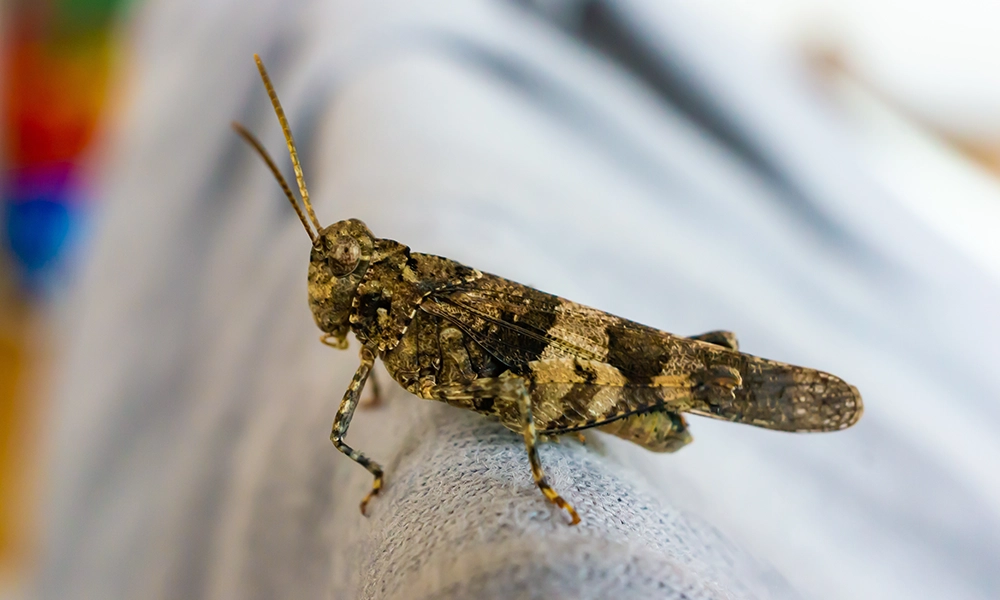
While crickets are not commonly associated with fabric damage, some species such as field cricket will chew on synthetic fabrics, especially if they are stained with food or sweat.
Signs of infestation: Jagged edges on clothes and the distinct chirping of crickets.
Habitat: Dark corners, closets, and areas with easy access to the outdoors.
Steps to Get Bugs Out of Your Closet
Once you’ve identified the type of pest causing the damage, it’s time to take action. The process involves cleaning, treating, and reorganizing your closet to eliminate the bugs and their eggs. Here’s how to get started.
1. Identify the Problem
Before jumping into solutions, it’s essential to confirm the type of pest you’re dealing with. Inspect your clothing, closet, and storage areas for the signs listed above. Pay special attention to items that haven’t been moved for a while, as pests prefer undisturbed environments.
2. Remove All Clothing and Clean Thoroughly
Start by taking everything out of your closet. This includes clothes, shoes, and any storage containers. Wash all clothes, especially those made of natural fibers, in hot water if possible. For delicate fabrics, consider dry cleaning.
Vacuum your closet thoroughly, including corners, shelves, and floorboards. Dispose of the vacuum bag immediately to prevent reinfestation.
3. Treat the Closet Area
To eliminate lingering pests, use natural or chemical treatments:
Natural remedies: Cedar blocks or lavender sachets can repel clothes moths. Diatomaceous earth is another safe, non-toxic option that can kill insects.
Chemical options: Insecticides labeled for fabric pests can be effective. Be sure to follow the manufacturer’s instructions and ventilate the area well.
If you suspect that bugs are originating from outside, inspect other areas of your home, such as bugs in your gutters, for additional sources of infestation.
4. Store Clothes Properly
Prevent future infestations by investing in airtight storage solutions. Plastic bins with secure lids are a great option. Use garment bags for hanging clothes, but avoid fabric ones as some pests can chew through them.
Preventing Bugs in Your Closet Long-Term
Keeping your closet pest-free isn’t just about eliminating existing infestations; it’s also about creating an environment that’s inhospitable to future bugs. These preventive measures will help you maintain a clean, safe space for your clothes.
1. Regular Inspections
Make it a habit to check your closet for signs of pests every few months. Look for holes, larvae, or live insects, especially in corners and on rarely worn items.
2. Clean Your Closet Often
Pests thrive in dark, undisturbed areas, so regular cleaning is key. Remove dust and vacuum thoroughly to eliminate potential hiding spots.
3. Use Repellents
Cedar and lavender are natural repellents that can help deter pests. Replace these items regularly to ensure they remain effective.
4. Control Humidity
Silverfish and other moisture-loving pests thrive in humid environments. Use a dehumidifier or moisture-absorbing products to keep your closet dry.
5. Seal Cracks and Entry Points
Inspect your closet and surrounding areas for small cracks or openings where pests could enter. Seal these gaps with caulk or weatherstripping.
When to Call a Professional
If you’ve tried everything and still notice signs of infestation, it may be time to seek professional help. A pest control expert can assess your situation and recommend a customized treatment plan.
At Absolute Best Pest Control, we specialize in handling pests of all kinds, from clothes moths to larger issues like wildlife pest problems. Our team offers comprehensive solutions to protect your home and belongings.
Conclusion
Bugs that eat clothes may seem like a minor nuisance, but they can cause significant damage if left unchecked. By identifying the pests, taking swift action, and implementing long-term prevention methods, you can protect your wardrobe and keep your closet pest-free.
For persistent problems, consider reaching out to a pest control expert for tailored solutions. At Absolute Best Pest Control, we provide reliable and effective Home pest solutions to keep your living space safe and pest-free.
Related Posts

Woodlouse Spider in Your Home? Here’s What to Do
When it comes to unexpected household guests, spiders often top the list of unwelcome visitors.…

Flies in Your Restaurant? Here is How to Handle Them
Flies in your restaurant can quickly turn a pleasant dining experience into a customer complaint.…

How to Be Fully Prepared for a Restaurant Health Inspection
Health inspections can feel like a daunting task for any restaurant owner or manager. The…
Leave a Reply