
German Roaches vs. American Roaches: What’s the Difference?

When it comes to battling cockroach infestations, one of the most important steps is identifying the species. Two of the most common types that homeowners in the U.S. encounter are German cockroaches (Blattella germanica) and American cockroaches (Periplaneta americana). These species not only differ in size and appearance but also in habits and the types of problems they cause. Let’s break down the key differences between German and American roaches, helping you understand what you’re up against and how to address these unwanted visitors effectively.
Size Matters: The Bigger, The Bolder
The first difference you’ll notice between German and American roaches is their size. American cockroaches, often referred to as “waterbugs” due to their preference for moist environments, are the largest house-invading roach species. They can grow to a hefty 1.5 to 2 inches in length, making them a terrifying sight for many homeowners.
In contrast, German cockroaches are much smaller, usually around ½ inch in length. While their size makes them a bit less frightening at first glance, their ability to reproduce quickly makes them a bigger problem in terms of infestation severity. Despite their small size, a single female German cockroach can produce up to 30,000 offspring in a year, leading to widespread infestations if not controlled early.
Appearance: Spotting the Differences
German and American cockroaches also differ in appearance, so you can determine which type has infested your home if you are unsure. German cockroaches are light brown or tan in color, with two dark parallel lines running from the head to the end of their wings. These stripes along their body are among the most distinguishing marks of the German species. They prefer closed, secluded locations that are near food and water, so an infestation of this type of bug commonly invades kitchens and bathrooms.
American cockroaches are reddish-brown in color and have a yellowish figure-eight configuration on the back of the head. Larger and more formidable in appearance, American cockroaches most commonly are encountered in damp, dark locations such as basements, crawl spaces, and drains.
While neither of the two roach types is nice to look at, their differences in appearance can help guide your efforts in pest control. Knowing which between German and American roaches you are dealing with will help you in choosing effective methods of treatment.
Habitat: Where Do They Hide?
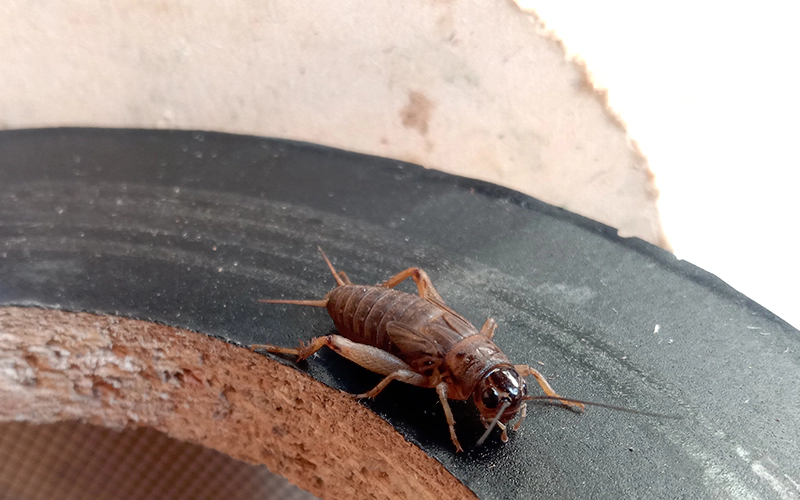
Knowing where they want to live is actually key to how to get rid of them. German cockroaches are notorious indoor pests that particularly prefer to stay in warm, humid areas such as the kitchen and bathroom. They are drawn to areas where food is easily available along with water and warmth; thus, homes, restaurants, and food-serving establishments are their main targets. German roaches are also notorious hitchhikers, frequently entering homes via grocery bags, cardboard boxes, or secondhand appliances. They breed rapidly once they have set up a nest, so early detection is a very important activity.
American cockroaches are, however, much more outdoorsy. Basically, one can find them in sewers, leaf piles, and rotting wood in any warm, moist, hidden place they can find. They tend to enter houses especially during autumn and winter months for food and water or when outside is cold. They explosively make homes entered through a crack in it foundation, window, and door gaps more easy to access. They can fly-yes, they are capable of flying!-and make them instantly agile in moving from room to room easily.
Preventive measures for both involve reducing moisture and sealing entry points to avoid the spread of infestation.
Behavior: Nocturnal versus Diurnal Roamers
They are nocturnal, hiding during the day and coming out at night to search for food. You won’t necessarily see them unless you catch on to little black droppings or egg casings in cupboards or behind appliances-but this is a good sign you are dealing with a German roach infestation. Since they don’t like light, it’s pretty common at night, flipping on a light, to see them running for cover.
American cockroaches also prefer nighttime for their peak activities but are less timid when exposed to light. They can be bolder and may be seen wandering in dimly lit areas during the daytime. Their feeding habits are not fussy; they will eat almost everything, from decaying organic material to paper and smaller insects.
Another of the more alarming behaviors of American cockroaches is their tendency to fly short distances. While most homeowners do not get the pleasure of this experience, those who have most certainly never forget it. For this reason, American roaches are a greater nuisance while physically trying to capture or kill them.
Severity of Infestation: Which is Worse?
While both can be major pests, German cockroach infestations tend to be more severe due to the ability of this species to reproduce rapidly. Because they tend to stay near food and water supplies and reproduce so quickly, it is often easy for a few German cockroaches to turn into a huge problem seemingly overnight. They are able to spread bacteria, trigger allergies, and contaminate food.
Indoor American cockroach infestations, though less common, also raise serious health concerns. Due to the fact that they are known vectors of many such organisms, they facilitate the spread of various pathogens and bacteria through their movements in homes. They mostly like wet places, hence common in basements and drains, hence finding their way to food storage areas.
Both insects are filthy and can lead to health conditions with humans, particularly individuals suffering from respiratory concerns or allergic reactions. Insect droppings, all shed skins, and even saliva can stimulate asthma attacks-particularly in children.
Prevention and Control: Winning the Battle
The best way to deal with cockroaches is through prevention. Regular cleaning, sealing food in airtight containers, and eliminating water sources can go a long way toward keeping roaches at bay. However, when an infestation does occur, different approaches are required depending on whether you’re dealing with German or American roaches.
For German cockroaches, thorough sanitation and targeted insecticides are key. Since they tend to hide in small crevices, applying bait and insecticide in cracks and crevices around kitchens and bathrooms can help. In severe cases, hiring a professional pest control service is recommended to avoid the quick reproduction that German roaches are known for.
American roaches can be controlled by focusing on the outdoors. Remove leaf litter, wood piles, and other damp, dark places around your home where these pests may harbor. Sealing gaps in doors, windows, and utility pipes can prevent them from entering. For indoor infestations, professional pest control services can apply residual insecticides and bait to high-traffic areas like basements and drains.
For more detailed tips on removing these pests, check out our guide on ways to get rid of roaches.
Conclusion: Know Your Enemy
Whether you’re dealing with German or American roaches, understanding their differences is crucial for effective pest control. While German cockroaches are small but prolific indoor invaders, American roaches are larger and more likely to come from outdoor environments. Regardless of the species, prompt action is necessary to prevent health risks and protect your home.
Ready to start your battle with Roaches? Get started here.
Related Posts

Woodlouse Spider in Your Home? Here’s What to Do
When it comes to unexpected household guests, spiders often top the list of unwelcome visitors.…

Flies in Your Restaurant? Here is How to Handle Them
Flies in your restaurant can quickly turn a pleasant dining experience into a customer complaint.…

How to Be Fully Prepared for a Restaurant Health Inspection
Health inspections can feel like a daunting task for any restaurant owner or manager. The…
Leave a Reply