
Tips to Manage and Prevent Flying Ants in Pools
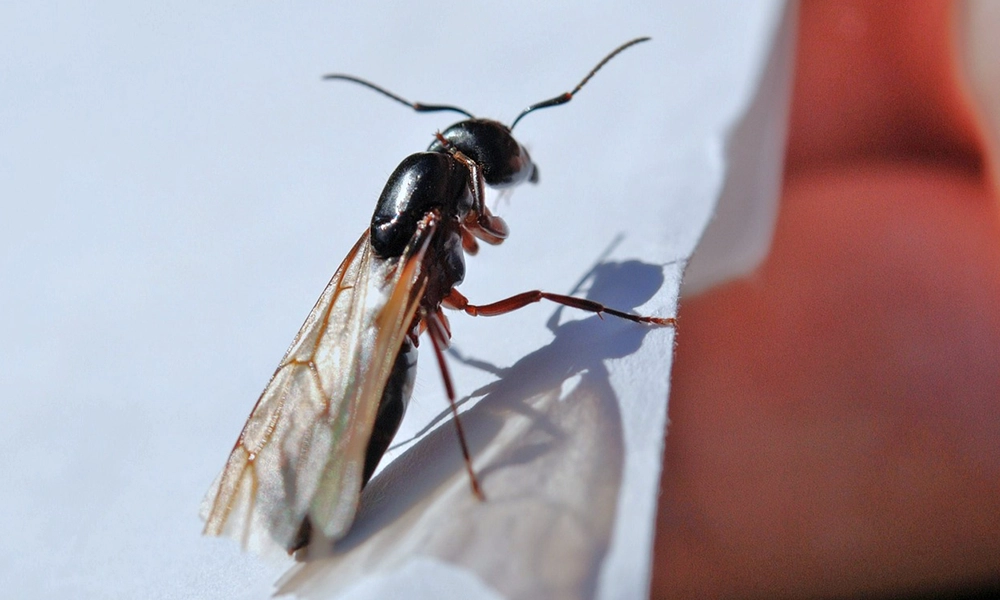
Finding flying ants in your pool can be an unpleasant surprise, especially when you’re ready to enjoy a relaxing day outdoors. These winged insects, which are typically male and female reproductive ants known as alates, often show up during their mating season. While they’re a natural part of the ant life cycle, they can quickly disrupt the clean and enjoyable atmosphere of your pool area. Let’s dive into what flying ants are, why they end up in your pool, and most importantly, how to manage and prevent them.
What Are Flying Ants?
Before addressing how to handle flying ants in your pool, it’s essential to understand what these insects are and why they suddenly appear. The term “flying ants” refers to ants in their reproductive stage. During specific times of the year, typically in warm and humid conditions, many ant species produce winged males and fertile queens. These alates leave their colonies to mate and establish new colonies.
After mating, the males die, and the queens find suitable places to start new nests, often breaking off their wings to settle permanently. While flying ants may be harmless to humans, their sudden presence in large numbers can be concerning and a nuisance—especially when they take over your pool area.
For a deeper dive into these pests, check out our resource on types of flying insects.
Why Are Flying Ants Attracted to Your Pool?
Flying ants are often drawn to swimming pools for several reasons:
Reflection of Light: The shimmering surface of the water mimics light sources that attract insects, particularly during the evening or on overcast days.
Moisture: Pools provide a convenient source of water, which is essential for many ant species.
Mating Flights: During their nuptial flights, alates are often carried by the wind. Pools can inadvertently become a landing spot due to their open exposure.
Understanding these reasons is crucial for effectively preventing and managing the issue.
Immediate Actions to Take
If you notice flying ants in your pool, there are quick measures you can take to address the problem:
1. Skim the Pool Regularly
Use a pool skimmer to remove the flying ants from the water’s surface. Doing this promptly prevents the ants from sinking and helps maintain a clean pool.
2. Use a Pool Vacuum
For any ants that sink to the bottom of the pool, a pool vacuum can effectively remove them. Regular vacuuming also helps maintain overall cleanliness.
3. Check and Adjust Pool Chemicals
Proper chemical balance not only keeps your pool clean but also deters insects. Ensure that your chlorine and pH levels are within the recommended range to reduce the pool’s attractiveness to pests.
4. Turn Off Exterior Lights at Night
As flying ants are drawn to light, reducing exterior lighting near the pool area can help minimize their attraction.
Preventing Flying Ants in Your Pool
While removing flying ants is essential, prevention is the key to long-term success. Here are some proactive steps you can take:
1. Keep the Pool Covered
When the pool is not in use, covering it with a sturdy pool cover can prevent flying ants and other debris from falling into the water. This is especially effective during the ant mating season.
2. Maintain Landscaping
Trim overhanging branches and clear away any debris near your pool area. These areas can serve as potential habitats for ant colonies. Additionally, reducing vegetation minimizes other pests that might attract flying ants.
3. Use Insect Traps
Installing UV light traps or sticky traps around the pool can help capture flying ants before they reach the water. Be sure to position them away from the pool itself to avoid drawing insects closer.
4. Professional Treatment
If the issue persists, consider contacting pest control experts. Services like Wildlife pest control can assess your property and provide tailored solutions to prevent recurring infestations.
Long-Term Solutions
If flying ants in your pool become a recurring issue, you may need to take more comprehensive steps to address the root cause. Consider these strategies:
1. Locate and Eliminate Nearby Colonies
Flying ants in your pool often indicate a nearby ant colony. Conduct a thorough inspection of your yard, paying close attention to cracks, crevices, and soil mounds. Treating these colonies with ant bait or insecticides can help prevent future nuptial flights from invading your pool area.
2. Improve Drainage
Excess moisture around your pool or property can create ideal conditions for ants and other pests. Ensure your yard has proper drainage to avoid water pooling near the pool area.
3. Apply Insect Barriers
Creating an insect barrier around your pool deck using eco-friendly insecticides can act as a deterrent. Reapply regularly, especially during the rainy season or high humidity periods.
Natural Remedies for Flying Ants
For those who prefer a chemical-free approach, consider these natural remedies:
1. Soap and Water Solution
Mix a few drops of dish soap with water in a spray bottle. Spraying this directly onto flying ants will break their outer layer, causing them to dehydrate and die. This method is safe and effective around pools.
2. Essential Oils
Peppermint and tea tree oils are natural repellents for ants. Mix a few drops with water and spray around the pool area. Not only will this deter flying ants, but it will also leave a refreshing scent.
3. Vinegar Spray
A mixture of equal parts vinegar and water can also deter flying ants. Use this spray on areas where you notice increased activity.
When to Call in the Experts
If your efforts to manage flying ants prove unsuccessful, it might be time to call in the professionals. Pest control services can provide a thorough evaluation of your property and implement strategies tailored to your needs. They can also address other pests like gnats or flying ants, ensuring your outdoor spaces remain enjoyable year-round.
Conclusion
Dealing with flying ants in your pool doesn’t have to ruin your outdoor experience. By understanding their behavior, taking immediate action, and implementing preventive measures, you can effectively keep your pool area clean and pest-free. If you need additional help, remember that House pest treatment experts at Absolute best pest control are just a call away. They can provide comprehensive solutions to ensure your pool remains a haven for relaxation, not a hotspot for pests.
Related Posts

Woodlouse Spider in Your Home? Here’s What to Do
When it comes to unexpected household guests, spiders often top the list of unwelcome visitors.…

Flies in Your Restaurant? Here is How to Handle Them
Flies in your restaurant can quickly turn a pleasant dining experience into a customer complaint.…

How to Be Fully Prepared for a Restaurant Health Inspection
Health inspections can feel like a daunting task for any restaurant owner or manager. The…
Leave a Reply