
What You Should Do at the First Sign of a Pest Problem
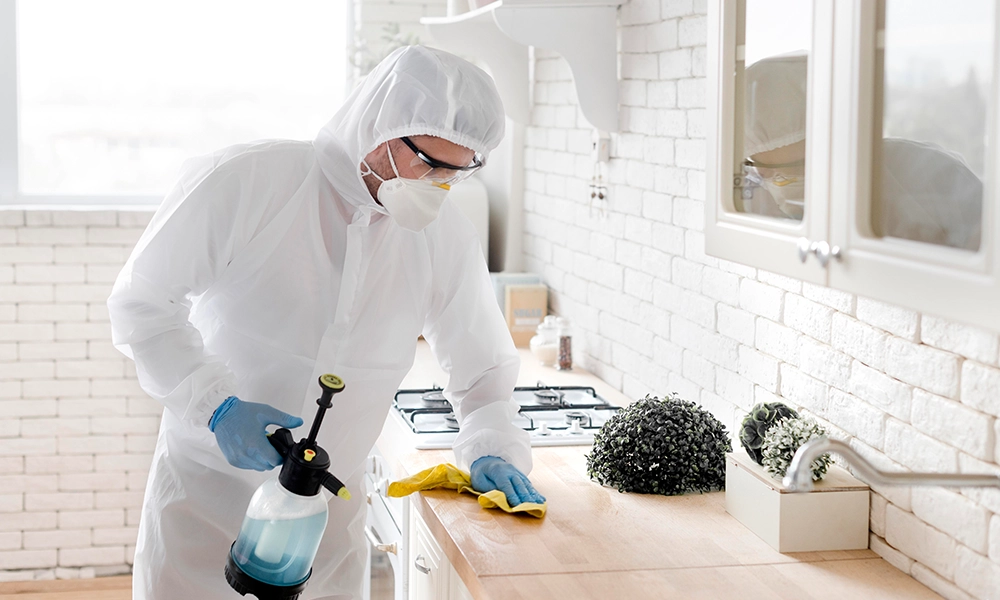
Pests are an inevitable problem, and no business or home is entirely safe from the occasional unwelcome guest. But whether it’s a couple of ants sneaking around or a family of rodents making themselves at home, pests aren’t just nuisances. Left unchecked, they can cause health risks, property damage, and even legal complications for businesses. The earlier you spot signs of a problem and take steps to address it, the easier it is to get back to a pest-free life.
In this guide, we’ll walk you through what to do at the very first sign of a pest problem. Knowing how to react quickly and take preventative action is essential for keeping infestations from escalating out of control. Here’s where to start when you think pests have made their way into your space.
Understanding the Early Signs of a Pest Problem
Spotting the signs of pests early on can mean the difference between a minor inconvenience and a costly problem. Here are some common signs that might indicate pests are lurking:
- Droppings and Tracks: Rodents and insects often leave behind droppings, urine stains, and tracks in dust or dirt. These are early signs of a potential infestation, and ignoring them can mean a much bigger problem is on the way.
- Property Damage: If you notice gnaw marks on furniture, wires, or wood, there’s a high chance that rodents are present. Termites also cause visible wood damage, which can compromise structural integrity if left unchecked.
- Odd Smells: Many pests, particularly rodents, leave behind distinct odors. If you detect an unusual musty, ammonia-like smell, it may be due to a pest presence.
- Unusual Noises: Scratching sounds in walls, ceilings, or under floors are classic signs of rodents. These sounds are more noticeable at night, as rodents are typically more active then.
- Visible Nests or Burrows: Seeing nests in hidden corners or burrow holes around your home or business is a strong indicator that pests have set up residence.
Each of these signs is an invitation to act before a full-blown infestation develops. Remember, recognizing these symptoms early gives you a better chance of tackling the problem effectively.
Steps to Take at the First Sign of a Pest Problem
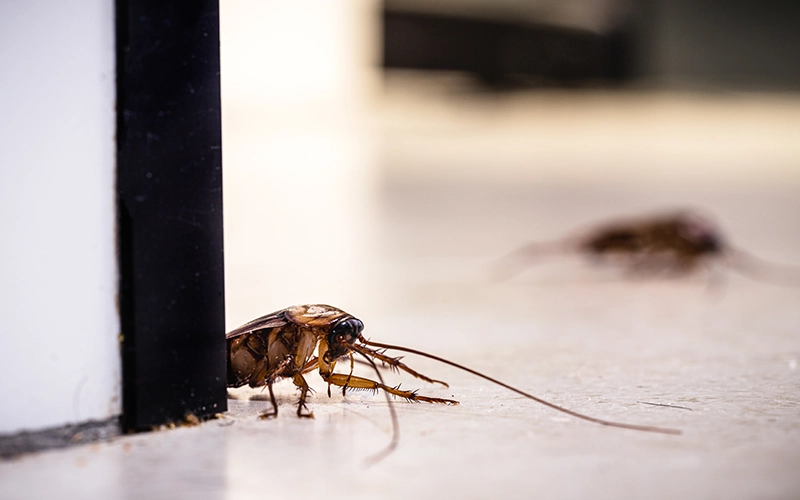
Once you’ve identified that pests may be present, it’s essential to take swift action. Here’s what to do when you suspect an infestation:
1. Identify the Type of Pest
Knowing what type of pest you’re dealing with helps determine the best course of action. Some pests, like ants or flies, can often be handled with DIY pest control tips, while others, like termites or bed bugs, typically require professional help. Take a close look at the droppings, sounds, or visible insects to figure out who’s invading your space.
Pro Tip: Online resources and pest identification guides can be helpful, but when in doubt, consult pest removal experts for a quick assessment.
2. Inspect the Area for Entry Points
Pests can sneak into your home or business through even the smallest cracks or holes. Once you identify potential entry points, seal them immediately. Common areas to check include:
- Gaps around doors and windows
- Cracks in the foundation or walls
- Openings around pipes and cables
By sealing these points, you reduce the chance of additional pests getting in, and you make it easier to control the existing problem.
3. Remove Attractants
Pests are drawn to food, water, and shelter. Removing these attractants is a simple yet effective way to discourage pests from staying. Here’s how to make your space less appealing to pests:
Keep Food Sealed: Store food in airtight containers, clean up crumbs, and avoid leaving pet food out overnight.
Manage Waste Properly: Dispose of garbage frequently, and use bins with tight-fitting lids to prevent pests from accessing food waste.
Eliminate Standing Water: Fix leaky pipes, and empty any containers that collect standing water to avoid attracting pests, especially mosquitoes.
4. Use Targeted DIY Pest Control Solutions
For minor pest issues, DIY pest control tips can be highly effective. Here are some common methods to try:
Traps: Set up traps for rodents or glue traps for crawling insects in areas where you’ve noticed activity.
Baits: Ant and cockroach baits can be strategically placed in high-traffic areas to target these pests effectively.
Natural Remedies: For those who prefer chemical-free solutions, natural remedies like diatomaceous earth or essential oils can deter some types of pests.
Remember, while DIY methods can be effective for smaller infestations, they may not be enough for larger problems. Keep an eye on the situation, and don’t hesitate to escalate to professional help if needed.
When to Call in Professional Help
Sometimes, the issue requires more than a DIY approach. Here are signs you need to call a professional pest control service:
- Persistent Infestation: If pests keep coming back despite your efforts, there may be a larger underlying issue that only a professional can address.
- Signs of Structural Damage: Visible wood damage from termites or chewed wires from rodents indicate a severe infestation that needs immediate attention.
- Health and Safety Risks: Some pests, like cockroaches and rodents, carry bacteria and allergens that pose health risks. In such cases, professional pest control is the safest choice.
A licensed pest control expert will assess the situation, provide targeted treatments, and recommend preventative measures to ensure your home or business remains pest-free.
Preventative Measures for Long-Term Pest Control
Keeping pests at bay is easier when you proactively protect your space. Regular maintenance and vigilance are key to preventing future infestations. Here are a few simple habits to adopt:
Regular Cleaning and Decluttering
Pests thrive in cluttered environments where they can find food, shelter, and breeding grounds. Keep your living or working space clean, decluttered, and free from potential hiding spots.
Maintain Landscaping
Outdoor maintenance is just as important as indoor cleaning. Trim bushes, remove leaf litter, and clear any debris around your property. Keeping a clean perimeter helps deter outdoor pests from making their way inside.
Regular Pest Inspections
Annual or semi-annual pest inspections can catch issues before they become full-blown infestations. These checks are especially useful for spotting termites, rodents, or other hard-to-detect pests. For homes at risk, a termite control service can provide added protection against potential termite damage.
Tip: Professional inspections are particularly beneficial if you live in a pest-prone area or have experienced issues in the past.
Protecting Your Business from Pest Problems
If you run a business, a pest infestation can be disastrous, leading to lost revenue, health code violations, and potential reputation damage. Here’s how to keep your business safe from pest issues:
- Educate Your Staff: Ensure all employees know the signs of pest activity and report any sightings immediately.
- Schedule Routine Pest Control Services: A monthly or quarterly service can help you stay ahead of infestations, especially in food service, hospitality, and retail industries.
- Implement Strict Cleaning Protocols: Frequent cleaning and waste disposal prevent pests from finding food or shelter on your premises.
Taking these steps reduces the risk of pests disrupting your operations and keeps your business running smoothly.
Conclusion: Keep Your Space Pest-Free
Dealing with a pest problem is never pleasant, but taking quick, effective steps can prevent minor issues from turning into major infestations. By identifying signs early, addressing entry points, and using targeted pest control solutions, you can keep pests out and protect your home or business.
When DIY efforts fall short, remember that pest removal experts are just a call away. Professional services provide a thorough approach that can eliminate even the most stubborn infestations. Protect your space by staying vigilant, taking proactive measures, and never hesitating to call in help when it’s needed.
Related Posts

Woodlouse Spider in Your Home? Here’s What to Do
When it comes to unexpected household guests, spiders often top the list of unwelcome visitors.…

Flies in Your Restaurant? Here is How to Handle Them
Flies in your restaurant can quickly turn a pleasant dining experience into a customer complaint.…

How to Be Fully Prepared for a Restaurant Health Inspection
Health inspections can feel like a daunting task for any restaurant owner or manager. The…
Leave a Reply