
Why Empty Buildings Are a Magnet for Pests
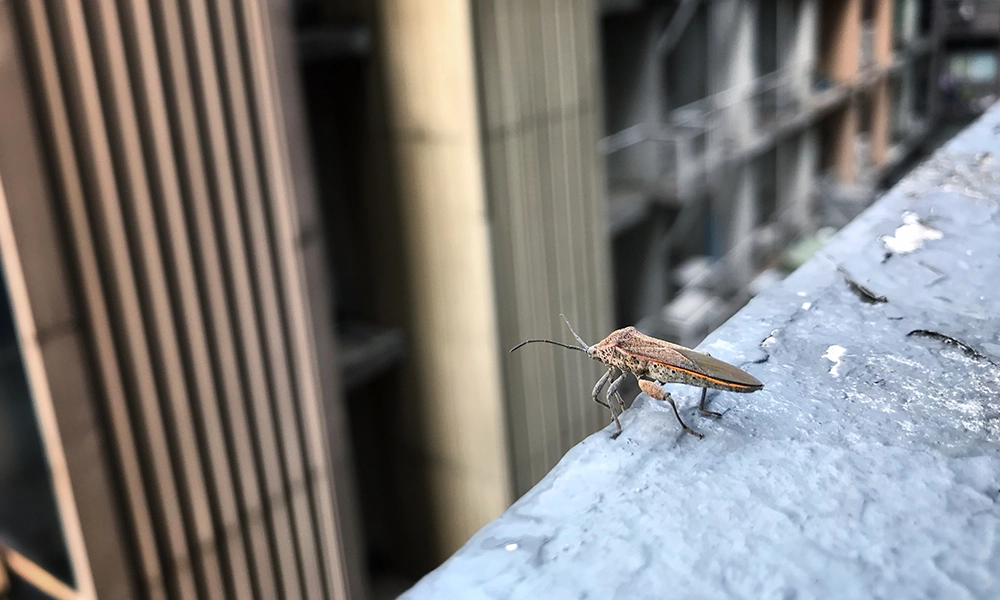
Vacant buildings often sit quietly, unnoticed, and seemingly harmless. But to pests, these unoccupied spaces are prime real estate. Property owners and managers might see an empty property as a temporary situation, but pests see it as an open invitation to settle in. Without regular human presence, pest infestations can escalate quickly, leading to significant damage and costly remediation efforts.
Understanding how and why pests are drawn to empty buildings is the first step to keeping these invaders at bay. Here’s an in-depth look at why vacant properties become pest magnets and what steps you can take to protect your investment.
Why Vacant Buildings Attract Pests
Pests are opportunistic. They seek out food, water, and shelter, and a vacant property can provide all three in abundance. Let’s explore the primary reasons why pests are so drawn to unoccupied spaces:
1. Lack of Human Activity
Without people regularly moving in and out of the building, pests feel safe to roam freely. The absence of noise and movement makes them comfortable, giving them ample time to breed and spread undetected. Rodents, in particular, thrive in quiet environments, and insects such as cockroaches and ants are quick to follow.
2. Structural Openings
Even the smallest cracks and gaps in a building’s structure can act as doorways for pests. Empty buildings are often left without proper maintenance, allowing these access points to go unnoticed. Wildlife pests, such as raccoons and squirrels, can squeeze through surprisingly tight spaces, while termites can exploit vulnerabilities in wooden structures to establish colonies.
3. Untended Landscaping
The grounds surrounding a vacant property can also play a major role in pest infestations. Overgrown vegetation, standing water, and debris create ideal breeding grounds for mosquitoes and other insects. These pests can then migrate indoors, turning a manageable problem into a full-blown infestation.
4. Food Sources
Even when a building is unoccupied, pests can find food sources. Forgotten trash, spills, or even crumbs left behind by previous tenants can sustain pests for months. Rodents and insects are especially resourceful, able to scavenge sustenance from the smallest of residues.
The Risks of Pest Infestations in Vacant Properties
Pest infestations in empty buildings can lead to far more than a few unpleasant surprises. Here are the major risks to consider:
Structural Damage
Termites are among the most destructive pests when it comes to unoccupied properties. Left unchecked, a termite colony can weaken wooden beams, floors, and walls, compromising the building’s structural integrity. Similarly, rodents are notorious for gnawing on wires, insulation, and even drywall, which can lead to costly repairs.
Health Hazards
Many pests carry diseases or allergens that can pose risks to human health. For example, rodent droppings can spread hantavirus, and cockroach infestations can exacerbate asthma symptoms. Mosquitoes, which often breed in stagnant water around empty buildings, can transmit illnesses like West Nile virus and dengue fever.
Increased Costs
The longer a pest infestation goes unnoticed, the more expensive it becomes to resolve. Repairs, extermination services, and the potential loss of rental income all add up quickly. Preventive measures and routine inspections are far more cost-effective in the long run.
Signs of Pest Activity in Vacant Properties
Even without regular inspections, there are telltale signs that pests have moved in:
Droppings: Rodents and larger wildlife pests leave behind feces that are easy to spot if you know where to look.
Damage: Gnawed wires, chewed furniture, and holes in walls are all indicators of rodent activity.
Nests: Pests like mice and birds build nests using materials such as insulation, paper, and debris.
Odors: A strong, unpleasant smell often signals a pest infestation, particularly from droppings or decomposing animals.
Sightings: Spotting a single rodent or insect often points to a larger, hidden problem.
Effective Pest Management Strategies for Vacant Buildings
Preventing pests in empty properties requires vigilance and proactive measures. Here are some key strategies to implement:
1. Routine Inspections
Schedule regular inspections of your property to identify and address potential pest problems early. Check for signs of pest activity, structural damage, and potential entry points. Don’t overlook less obvious areas like basements, attics, and crawl spaces.
2. Seal Entry Points
Carefully examine the building’s exterior for cracks, holes, and gaps. Seal these openings with caulk, steel wool, or weatherstripping to prevent pests from sneaking inside. This step is especially critical for deterring wildlife pests.
3. Maintain the Grounds
Keep the surrounding landscaping tidy. Trim overgrown vegetation, remove debris, and eliminate standing water to reduce the risk of attracting mosquitoes and other pests. Consider seasonal pest control services to manage pest activity year-round.
4. Remove Food Sources
Ensure the property is completely free of leftover food and trash. Store any necessary items in airtight containers, and regularly check for spills or crumbs. Even a seemingly insignificant food source can sustain pests for months.
5. Install Pest Deterrents
Use pest deterrents such as traps, ultrasonic repellents, or bait stations to keep pests at bay. For larger infestations, consult a professional pest control company to implement more comprehensive solutions.
Professional Pest Control: A Smart Investment
While do-it-yourself pest control can address minor issues, professional services are essential for thorough and effective pest management. Experts can assess the specific risks associated with your property and develop a tailored plan to protect it.
For example, Animal pest control services specialize in removing larger pests like raccoons and squirrels, while termite management focuses on preventing structural damage. Partnering with a trusted pest control company ensures that your vacant property remains pest-free, protecting your investment and peace of mind.
Preparing for Seasonal Pest Challenges
It’s important to remember that pest activity often fluctuates with the seasons. Warmer months bring an influx of insects like mosquitoes, while colder weather drives rodents indoors seeking warmth. Understanding these seasonal trends can help you stay ahead of potential infestations. Partnering with a professional for seasonal pest control ensures that your property remains protected year-round, regardless of the time of year.
Conclusion
Vacant properties are more than just unused spaces—they’re prime targets for pests. From structural damage to health risks, the consequences of pest infestations can be severe. Taking proactive steps such as routine inspections, sealing entry points, and maintaining the property’s grounds can go a long way in preventing issues before they arise.
However, the most effective strategy is partnering with a professional pest control service. With expertise in local pest control solutions, Absolute Best Pest Control can help safeguard your vacant property, ensuring it remains secure, pest-free, and ready for occupancy when the time comes. Don’t wait until pests become a problem—invest in protection today.
Related Posts

Woodlouse Spider in Your Home? Here’s What to Do
When it comes to unexpected household guests, spiders often top the list of unwelcome visitors.…

Flies in Your Restaurant? Here is How to Handle Them
Flies in your restaurant can quickly turn a pleasant dining experience into a customer complaint.…

How to Be Fully Prepared for a Restaurant Health Inspection
Health inspections can feel like a daunting task for any restaurant owner or manager. The…
Leave a Reply