
Drywood vs Subterranean Termites: How to Spot the Difference

Termites are a homeowner’s worst nightmare, silently eating away at your property and causing significant structural damage if left untreated. Two of the most common types of termites that you might encounter are drywood termites and subterranean termites. Both are destructive, but they have different behaviors, habitats, and treatment methods. Understanding the differences between these two species is essential to protecting your home from these invasive pests.
Why Identifying Termite Species Is Critical
Identifying the specific species of termite infesting your home is crucial for effective termite control. Different termite species require different approaches to treatment, and what works for one may not work for another. For example, drywood termites are typically treated differently than subterranean termites because of their nesting habits and environmental needs. While drywood termites nest inside the wood they infest, subterranean termites require contact with the soil to survive. This key distinction can help determine not only where they are likely to enter your home but also the type of treatment necessary to eliminate the infestation.
Drywood vs. Subterranean Termites: Key Differences
Let’s break down the significant differences between drywood and subterranean termites, focusing on their behaviors, habitats, appearance, and damage potential.
Habitats and Nesting
The primary distinction between these two types of termites is their nesting habits. Drywood termites are aptly named because they prefer to build their colonies within dry, undecayed wood. They don’t need contact with soil to survive, which makes them particularly dangerous since they can invade furniture, wooden structures, and other dry areas of your home. Drywood termites are commonly found in warm, coastal areas and can infest exposed wood, such as your attic or wooden furniture.
Subterranean termites, on the other hand, require constant contact with moisture, which is why they nest underground. They build mud tubes to travel from their underground nests to the wood structures they feed on. These tubes not only protect them from predators but also provide them with the moisture they need to survive. Subterranean termites are far more widespread across the United States and are considered the most destructive type of termite.
Physical Appearance
To the untrained eye, drywood termites and subterranean termites can appear quite similar, but there are a few key physical distinctions.
- Size: Subterranean termites are generally smaller than their drywood counterparts. Worker subterranean termites typically measure around 1/8 inch, while drywood termites can be slightly larger, around 3/8 inch.
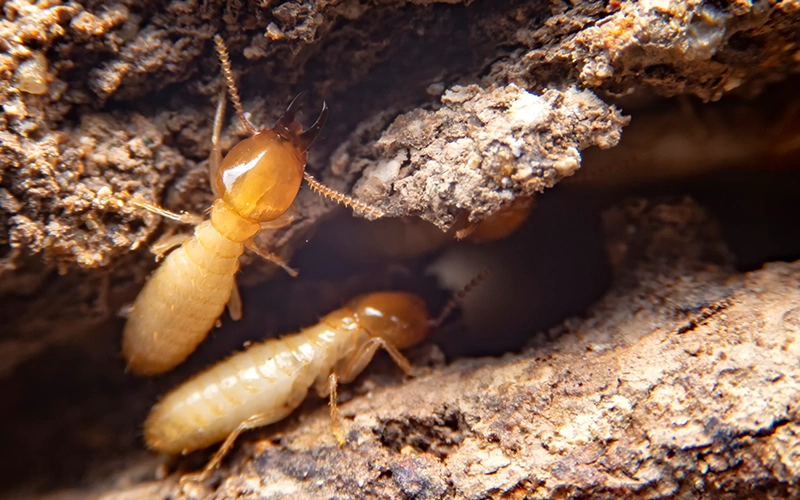
- Wings: Both species have reproductive members known as alates that develop wings during certain seasons. One of the clearest ways to distinguish between the two is by examining their wings. Drywood termites have a more intricate vein pattern on their wings, typically with three or more veins visible. In contrast, subterranean termites have simpler wings with just a single vein running along the top.
- Color: Both types of termites range in color from light brown to white, but subterranean termites tend to have darker heads compared to drywood termites.
Signs of an Infestation
Recognizing the signs of a termite infestation early on can help prevent extensive damage to your home. Here are the signs you should look for, depending on whether you’re dealing with drywood or subterranean termites:
Drywood Termite Infestation: One of the clearest indicators of a drywood termite infestation is the presence of frass, which are small, pellet-like droppings left behind as they tunnel through wood. You might find frass piles near windowsills, door frames, or other wooden structures. Additionally, you might notice discarded wings from the reproductive termites around window sills or light sources.
Subterranean Termite Infestation: Mud tubes are the most common sign of subterranean termites. These tubes are typically found along the foundation of your home and serve as the termites’ passage from the ground to the wood they’re feeding on. Additionally, you may see hollow-sounding wood or blistered wood surfaces, both of which indicate termites feeding beneath the surface.
Damage Potential
Both drywood and subterranean termites are capable of causing extensive damage to homes, but subterranean termites are generally considered more destructive due to the size of their colonies and their rapid consumption of wood. A single subterranean colony can number in the hundreds of thousands to millions, allowing them to destroy wood structures much faster than drywood termites.
Drywood termites, while slower in their feeding habits, can still cause significant damage, especially in areas like attics or wooden furniture where they often remain hidden for years before being discovered.
Preventing Termite Infestations
Preventing termites from entering your home is far easier than dealing with an active infestation. Understanding the habits of both drywood and subterranean termites will help you take the necessary steps to protect your property.
Keep wood away from the foundation: Since subterranean termites need contact with soil, ensuring that wood, including firewood, isn’t stored near the foundation of your home can help reduce the risk of attracting termites. Also, removing any dead wood or decaying trees from your yard can eliminate potential nesting areas.
Seal cracks and crevices: Drywood termites can enter your home through even the smallest cracks. Sealing all gaps around windows, doors, and other potential entry points can keep these invaders at bay.
Maintain moisture control: Because subterranean termites require moisture to survive, controlling moisture levels in and around your home can help reduce the likelihood of an infestation. Fix leaky faucets, repair any water damage, and ensure your home’s gutters and downspouts are functioning correctly to direct water away from your foundation.
Termite Reticulation System: Installing a Termite Reticulation System is another excellent method to keep subterranean termites at bay. This system allows for long-term, ongoing treatment, keeping your home protected from termite infestations year-round.
By addressing these preventative measures, you can prevent termite infestation at your home and avoid costly repairs down the line.
Treatment Methods
Should you discover termites in your home, treatment options vary based on the type of termite you’re dealing with.
Drywood Termites: Localized spot treatments can be effective for smaller infestations of drywood termites. However, for larger infestations, fumigation is often the most effective treatment. Fumigation involves covering the entire structure and using gas to penetrate deep into the wood, ensuring all termites are eradicated.
Subterranean Termites: Treating subterranean termites usually involves applying termiticides to the soil around your home. Baiting systems are also effective, where toxic baits are placed around your property, and the termites carry the poison back to their colony.
Conclusion
Understanding the differences between drywood termites and subterranean termites is critical for protecting your home from these destructive pests. While they may seem similar at first glance, their behaviors, habitats, and treatment methods vary greatly. Identifying the species early on and taking proactive measures can save you from significant damage and costly repairs.
For the best results, always seek guidance from pest control experts who can accurately assess the situation and recommend the most effective treatment plan tailored to your specific needs. At Absolute Best Pest Control, we specialize in comprehensive termite control solutions, ensuring your home stays safe and termite-free.
Related Posts

Woodlouse Spider in Your Home? Here’s What to Do
When it comes to unexpected household guests, spiders often top the list of unwelcome visitors.…

Flies in Your Restaurant? Here is How to Handle Them
Flies in your restaurant can quickly turn a pleasant dining experience into a customer complaint.…

How to Be Fully Prepared for a Restaurant Health Inspection
Health inspections can feel like a daunting task for any restaurant owner or manager. The…
Leave a Reply