
Do Mosquitoes Bite Dogs? What Every Dog Owner Should Know
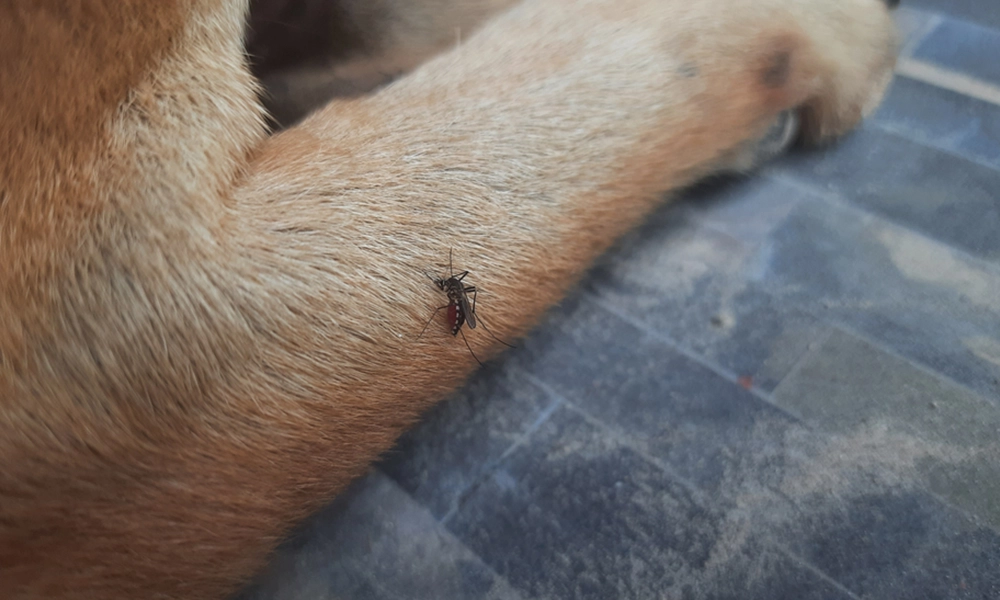
If you’ve ever wondered whether mosquitoes bite dogs, the answer is an unfortunate yes. Just like us, dogs are also prime targets for these pesky insects. Mosquitoes aren’t picky – they’ll bite any warm-blooded creature they can find, and that includes your beloved furry friend. Despite their fur, dogs have areas that are exposed or lightly covered, making them vulnerable to mosquito bites.
Mosquitoes are most active during the evenings and early mornings, making your pet’s evening stroll or late-day playtime a potential mosquito feeding frenzy. These bites aren’t just an itchy nuisance; they can also be dangerous, as mosquitoes are known carriers of diseases that affect dogs, like heartworm disease. That’s why it’s so important to understand how to protect your pup from these tiny bloodsuckers.
Mosquito Bites and Dogs: The Risks Involved
Mosquito bites are far from harmless when it comes to dogs. One of the most significant risks associated with mosquito bites in dogs is the transmission of heartworm disease. This disease is caused by a parasite (Dirofilaria immitis) that mosquitoes carry and transmit directly into the bloodstream when they bite. Once infected, heartworms settle in the dog’s heart and lungs, potentially leading to severe respiratory issues, heart failure, and even death if untreated.
The scary part? Unlike a simple flea bite that results in minor itching, heartworm infection can develop unnoticed for months. By the time symptoms like coughing, lethargy, or difficulty breathing are visible, the damage may already be significant.
Why Mosquitoes Are Drawn to Dogs
It may seem unfair that mosquitoes find our dogs just as appealing as we do, but there’s a reason for that. Mosquitoes are attracted to heat and carbon dioxide – both of which are produced in abundance by active, warm-blooded animals like dogs. When your dog runs and plays, they emit more carbon dioxide, making them an even more attractive target for mosquitoes.
Unlike humans, dogs cannot swat mosquitoes away or complain about that itchy bump left behind after a bite. Instead, they may suffer silently, scratching at the affected area in an attempt to alleviate the discomfort.
Do All Mosquitoes Bite Dogs?
The majority of mosquito species will bite dogs if given the opportunity. However, the extent of your dog’s exposure to mosquitoes depends on a few factors: geographic location, time of year, and your dog’s outdoor activities. Mosquito populations are typically more abundant in warm, humid areas and peak during the summer months when your dog is most likely to be outdoors.
Mosquitoes tend to bite where they have easier access to skin, which means they target spots with less fur—like the nose, ears, and stomach. These exposed areas make your dog especially susceptible, no matter how thick their coat might be.
Symptoms of Mosquito Bites on Dogs
Mosquito bites on dogs may not be as obvious as on humans, but there are a few telltale signs to watch for. Typical symptoms include:
- Itching and Scratching: Just like us, dogs will experience itching at the site of the bite. You might notice your dog scratching persistently at one area.
- Red, Swollen Bumps: Raised, red bumps may appear on areas with less fur, such as the stomach or ears.
- Excessive Licking: If your dog can’t reach the itchy area with their paws, they might attempt to lick it instead.
In some cases, mosquito bites may lead to an allergic reaction, which could cause more severe symptoms like hives or swelling of the face and neck. If you notice these signs, it’s important to consult a veterinarian.
For professional assistance, consider our mosquito control service, which effectively targets and reduces mosquito populations in your yard, providing additional peace of mind for your family and pets. For more information, check out our homeowner’s guide to mosquito prevention.
4. Provide Protective Clothing
There are lightweight jackets and vests available that are designed to keep insects off your dog. These protective clothes can be particularly helpful for dogs that are highly sensitive to mosquito bites or those that must be outside during peak mosquito hours.
5. Use Mosquito Netting
If your dog spends a lot of time outdoors, consider adding mosquito netting to their kennel or outdoor play area. This physical barrier can provide an additional layer of protection against mosquito bites.
Treating Mosquito Bites on Dogs
If your dog does get bitten by mosquitoes, there are ways to alleviate their discomfort. Applying a cold compress to the bite area can help reduce swelling and itching. There are also topical creams and sprays specifically formulated for pets that can soothe the irritation. Just make sure to consult your veterinarian before applying any over-the-counter products to ensure they are safe for your dog.
If your dog shows any signs of an allergic reaction or if they seem particularly uncomfortable, it’s best to consult your vet. They may recommend an antihistamine or other treatment to help alleviate your dog’s symptoms.
Heartworm Prevention: The Ultimate Goal
One of the biggest dangers of mosquito bites for dogs is the risk of heartworm disease. Preventative medication is the best way to protect your dog from this potentially deadly condition. Heartworm preventatives come in various forms – including pills, topical treatments, and injections – which are highly effective at preventing the disease if administered regularly.
Consult your veterinarian about the best heartworm preventative for your dog. Year-round prevention is often recommended, even in areas where mosquitoes are less active during colder months, as it only takes one bite from an infected mosquito to put your dog at risk.
Why Protecting Your Dog from Mosquitoes Is Important
Protecting your dog from mosquitoes isn’t just about preventing itchy bites; it’s about keeping your furry friend healthy and safe from serious health issues. Mosquito bites can lead to a variety of problems—from minor irritation to life-threatening diseases like heartworm. By taking preventative steps, you can help ensure that your dog stays comfortable and healthy year-round.
Mosquito prevention is a critical part of responsible pet ownership. Whether you’re using mosquito repellent, limiting outdoor exposure during peak times, or maintaining a mosquito-free yard, every effort counts in keeping your dog safe.
Conclusion: Keeping Your Dog Safe from Mosquitoes
Mosquitoes are more than just a nuisance – they are a genuine threat to your dog’s health. From itchy bites to the potential for severe diseases like heartworm, the risks associated with mosquito bites should not be taken lightly. Understanding these risks and taking proactive steps to protect your dog can make all the difference.
Remember, using pet-safe repellents, avoiding peak mosquito activity times, and maintaining your yard are all effective ways to minimize the risk of mosquito bites. Most importantly, keeping up with heartworm prevention treatments will ensure your dog remains protected against the most serious mosquito-borne threat.
When it comes to keeping your furry friend safe, prevention is always better than cure. For more tips on keeping your entire household pets included – safe from pests, consider reaching out to Absolute Best Pest Control. Our family-safe pest control options ensure that everyone, from your youngest family members to your beloved pets, stays protected and comfortable year-round.
Related Posts

Woodlouse Spider in Your Home? Here’s What to Do
When it comes to unexpected household guests, spiders often top the list of unwelcome visitors.…

Flies in Your Restaurant? Here is How to Handle Them
Flies in your restaurant can quickly turn a pleasant dining experience into a customer complaint.…

How to Be Fully Prepared for a Restaurant Health Inspection
Health inspections can feel like a daunting task for any restaurant owner or manager. The…
Leave a Reply