
Do I Have Flying Ants, Gnats or Termites in My Home?
As warmer weather approaches, many homeowners start noticing winged insects buzzing around their homes. But how can you tell if these uninvited guests are flying ants, gnats, or termites? Each of these insects has distinct characteristics, but at first glance, they can be hard to differentiate. Understanding which pest you’re dealing with is essential, as each one poses a unique threat and requires a different control method.
In this article, we’ll walk you through how to distinguish between flying ants, gnats, and termites, and what steps you can take to ensure your home stays pest-free.
The Major Differences Between Flying Ants, Gnats, and Termites
While all three insects are a nuisance, they are derived from different species and exhibit different characteristics and dangers to your house. Let’s explore their highlights and what distinguishes them from one another.
Flying Ants
Flying ants are actually the reproductive form of ants. During spring and early summer, ants send out “swarmers”-winged males and females whose sole job is to reproduce and start new colonies. These swarmers may emerge inside or near your house seeking a spot to begin the next generation of ants. Key features to identify flying ants include:
- Elbowed Antenna: Flying ants have an antenna that is elbowed, or bent.
- Unequal size of wings: They carry two pairs, but the front one outgrows that of the back.
- Constricted Waist: The thorax is separated from the abdomen by a narrowing called the waist, in which the two body parts are an hourglass shape.
Flying ants invade homes, commonly in search of food or as a shelter, when renovations made to your home attract these insects or cleaned-up debris is around the vicinity of your property.
Gnats
Gnats are small, frail type flying insects that you will most likely notice near windows, plants, or moist areas. They do not feed on wood or structures like ants or termites but can also be quite a nuisance, especially if they are brooding indoors. Gnats typically:
- Small size: It is smaller in size compared to flying ants and termites, at times only a few millimeters.
- Attracted to moisture: gnats usually are found around damp areas such as your kitchen, bathroom, or potted plants.
- Short Life Span: Gnats can reproduce quite successively because their life spans only last for a couple of weeks.
Gnats are usually more nuisance pests rather than structural ones, but they can also be indicative of moisture issues in your home, conditions that could easily allure other pests into your home.
Termites
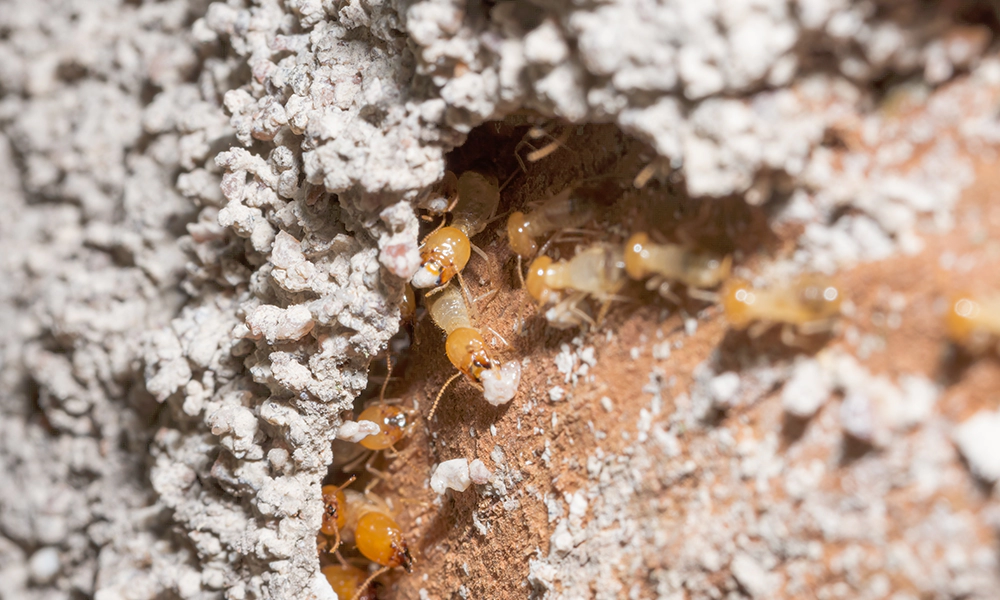
Of the three, termites are probably the most alarming because, if left unchecked, they can do substantial structural damage. Like ants, termites send out winged reproductive swarmers in the milder months. Termites themselves are often mistakenly thought to be ants, so it’s worth knowing the differences:
- Antennae are Straight: Termites have straight antennae, unlike ants, that are used for flying.
- Equal Wing Length: Also, both pairs of wings are of equal size and much longer than the termite body.
- Thick Waist: Since termites do not have a narrow waist, which characterizes ants, their body shape is more tubular.
Termites eat wood and can silently ruin the structure of your home. If you see what you think could be flying ants but aren’t certain, then it would be a good idea to call a termite control service that can inspect your property. The sooner you detect and treat, the less damage there will be.
Identifying the Signs
Now that you know the key differences between flying ants, gnats, and termites, let’s talk about the signs to look for in your home.
For Flying Ants
- Winged Insects Indoors: If you notice winged ants inside your home, especially near windows or doors, it’s a sign they may be trying to start a new colony.
- Wood Debris: While flying ants aren’t as destructive as termites, carpenter ants can nest in wood and leave behind small piles of debris.
For Gnats
- Swarms Near Moisture: Gnats are usually seen hovering around sinks, plants, or trash cans.
- Small Insects Near Windows: If you spot tiny, almost invisible insects around light sources, it’s likely you’re dealing with gnats.
For Termites
- Discarded Wings: One of the most telling signs of a termite infestation is the presence of discarded wings near windowsills or doorways.
- Mud Tubes: Termites create small tunnels or mud tubes along walls, which they use to travel.
- Wood Damage: If you tap on wooden structures and they sound hollow, termites may already be causing internal damage.
If you suspect termites, it’s crucial to call a professional right away. Termites can silently destroy your home’s foundation, and without proper intervention, the damage can be severe.
Prevention and Control
If you’re wondering how to get rid of flying insects such as ants, gnats, or termites, the first step is proper identification. Each pest requires a different approach to control, and knowing which one you’re dealing with will help you choose the right solution.
Getting Rid of Flying Ants
Flying ants are attracted to food and water sources, so the first step in control is eliminating what’s drawing them inside. Seal up cracks in your foundation, ensure food is stored properly, and fix any leaks or water damage. If the infestation is significant, professional ant control might be needed.
Managing Gnats
The key to gnat control is addressing moisture issues. Ensure your home is well-ventilated, clean up any standing water, and keep plants and drains in check. You can also use sticky traps or natural repellents to reduce their numbers indoors.
Termites Control
Termites require professional intervention. Once termites have infested your home, DIY methods won’t suffice. Hiring a termite control service is crucial for extermination and future prevention. Professional pest control companies can apply specialized treatments to target termite colonies and protect your home from further damage.
When to Call for Help
While some flying insects, such as gnats, can be controlled with basic home maintenance, others, like termites and flying ants, may require professional pest control services. If you’re struggling with persistent infestations or suspect termites, it’s best to reach out to experts who can assess the situation and provide targeted treatment.
At Absolute Best Pest Control, we offer comprehensive pest management solutions, including specialized termite control services. We recommend scheduling annual inspections to ensure no new colonies are forming and your home remains protected year-round.
In conclusion, if you’ve noticed swarms of flying insects in your home, it’s essential to determine whether you’re dealing with flying ants, gnats, or termites. Each pest presents unique challenges, and early identification can prevent costly repairs or major infestations. Don’t hesitate to take action – your home’s safety depends on it.
Related Posts

Woodlouse Spider in Your Home? Here’s What to Do
When it comes to unexpected household guests, spiders often top the list of unwelcome visitors.…

Flies in Your Restaurant? Here is How to Handle Them
Flies in your restaurant can quickly turn a pleasant dining experience into a customer complaint.…

How to Be Fully Prepared for a Restaurant Health Inspection
Health inspections can feel like a daunting task for any restaurant owner or manager. The…
Leave a Reply