
DIY Solutions for Rodent-Proofing Your Atlanta Home
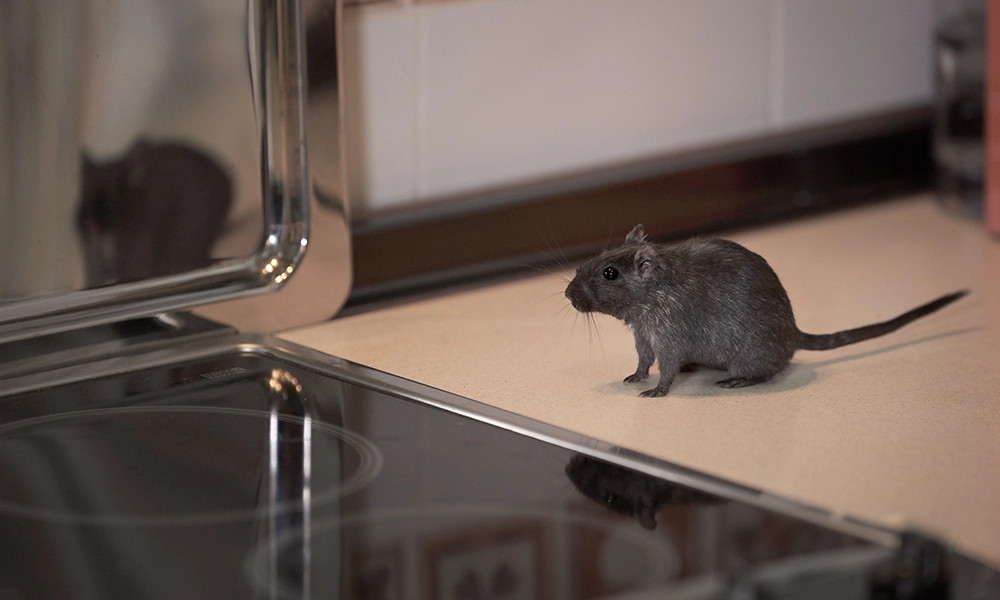
Rodents are more than just pesky intruders; they can wreak havoc on your home and your peace of mind. Whether it’s chewing through wires, contaminating food, or spreading disease, rodents like mice and rats are unwelcome guests in any household. For homeowners in Atlanta, keeping these critters out should be a priority. While hiring professionals is always an option, there are several DIY rodent-proofing techniques you can implement to protect your home from an infestation. Let’s dive into practical tips you can use to keep rodents at bay.
Why DIY Rodent-Proofing Is Important
Rodents, especially in urban areas like Atlanta, are opportunistic and can enter your home through the smallest of gaps. Once inside, they breed quickly, turning a small issue into a large infestation before you know it. Rodent-proofing your home doesn’t just prevent potential property damage, but it also helps maintain your family’s health and safety. Here are some effective DIY rodent-proofing tips that every Atlanta homeowner should consider.
1. Seal Entry Points
The first and most important step in rodent-proofing your home is sealing any potential entry points. Rodents can squeeze through openings as small as a quarter of an inch, so no gap is too small to be overlooked. Check around the exterior of your home, particularly near doors, windows, pipes, and vents. Here’s what you can do:
Use Caulk and Steel Wool: Fill any small holes or cracks with a combination of caulk and steel wool. The steel wool prevents rodents from gnawing through, while the caulk seals the gap.
Install Door Sweeps: Ensure that all exterior doors are sealed tightly, and install door sweeps to eliminate any gaps between the door and the floor.
Fix Damaged Vents and Screens: Check for torn window screens or gaps in attic and foundation vents. Install durable wire mesh over these areas to prevent rodents from slipping through.
By thoroughly sealing off access points, you’re cutting off rodents’ entry into your home. For larger gaps or more significant repairs, consider consulting Animal control solutions for expert advice.
2. Eliminate Food Sources
Rodents are always on the lookout for food, and your home could be providing them with a free buffet. One of the most effective ways to keep them out is to make sure there’s nothing for them to eat:
Store Food in Airtight Containers: Whether it’s pet food, cereals, or pantry items, always store food in sealed containers. Rodents can chew through cardboard and plastic, so opt for glass or metal containers.
Clean Up Spills Immediately: Food crumbs and spills are magnets for rodents. Wipe down countertops, sweep floors, and ensure all surfaces are clean, especially in the kitchen.
Take Out the Trash: Make sure your trash cans have tight-fitting lids, both inside and outside your home. Take the trash out regularly, and keep the outdoor bins at a distance from your home to prevent attracting rodents.
3. Declutter Your Home
Rodents love clutter because it provides them with hiding places. Keeping your home tidy and organized can help deter them:
Clear Out Storage Areas: Basements, attics, and garages are often filled with boxes and piles of clutter. Regularly clean out these areas to eliminate potential nesting spots.
Trim Overgrown Vegetation: Rodents often use trees, bushes, and shrubs as pathways to your home. Keep your yard well-maintained and trim any overgrown branches or plants that are too close to the walls of your house.
Move Woodpiles Away from the House: If you store firewood, keep it at least 20 feet away from your home. Rodents often nest in woodpiles and can easily find their way inside.
By reducing clutter and removing possible hiding spots, you can make your home a less appealing environment for rodents.
4. Maintain Your Home’s Exterior
Preventive maintenance of your home’s exterior can go a long way in rodent-proofing:
Repair Roof and Wall Gaps: Inspect your roof and exterior walls for any gaps, cracks, or loose shingles. Rodents, especially squirrels and roof rats, can enter through the roof, so make sure it’s in good repair.
Check Chimneys: Ensure that your chimney has a proper cap to prevent rodents from entering. Chimney caps also keep other pests, like birds and bats, from getting inside.
Inspect Gutters and Drains: Make sure your gutters are clean and not clogged, as standing water can attract rodents. Similarly, check drains to ensure they are clear and not providing a way into your home.
By keeping the exterior of your home in good condition, you reduce the likelihood of rodents finding their way inside.
5. Set Traps and Use Repellents
For those who prefer a more hands-on approach, setting traps and using natural repellents can be effective in keeping rodents at bay:
Humane Traps: If you’re looking for a non-lethal way to deal with rodents, humane traps allow you to capture and release them safely away from your home.
Snap Traps and Glue Boards: These are traditional methods for catching rodents that have already entered your home. Place them in areas where rodent activity has been spotted, such as along walls or in hidden corners.
Natural Repellents: Many homeowners prefer using eco-friendly methods to deter rodents. Essential oils such as peppermint or eucalyptus can act as natural repellents when applied near entry points or nesting areas.
While DIY methods can be effective, there’s always the question of DIY vs professional when it comes to rodent control. If you find yourself dealing with a persistent infestation, it may be time to call in the experts.
6. Monitor for Signs of Rodents
Even after implementing DIY rodent-proofing techniques, it’s essential to regularly check for signs of rodent activity:
Look for Droppings: Rodent droppings are a tell-tale sign of an infestation. Keep an eye out for droppings near food sources, in corners, and along walls.
Listen for Noises: Rodents are most active at night. If you hear scratching, scurrying, or squeaking in the walls or ceiling, it may indicate a rodent problem.
Check for Gnaw Marks: Rodents need to chew to keep their teeth sharp. Look for gnaw marks on furniture, wires, or food containers.
If you notice any signs of rodents, act quickly to prevent the situation from worsening.
Conclusion: Professional Help for Persistent Problems
While DIY rodent-proofing methods can significantly reduce the risk of infestation, some situations may call for professional help. If you’ve tried sealing entry points, removing food sources, and setting traps but are still seeing signs of rodents, it might be time to contact Absolute Best Pest Control. Our team of experts can assess your home, identify the extent of the infestation, and implement long-lasting pest elimination services.
Rodents are more than just an inconvenience—they can cause significant damage and pose health risks. Whether you choose to go the DIY route or seek professional assistance, taking proactive steps will ensure your home remains safe, secure, and rodent-free.
Related Posts

Woodlouse Spider in Your Home? Here’s What to Do
When it comes to unexpected household guests, spiders often top the list of unwelcome visitors.…

Flies in Your Restaurant? Here is How to Handle Them
Flies in your restaurant can quickly turn a pleasant dining experience into a customer complaint.…

How to Be Fully Prepared for a Restaurant Health Inspection
Health inspections can feel like a daunting task for any restaurant owner or manager. The…
Leave a Reply