
What You Need to Know About Atlanta’s Dangerous and Poisonous Spiders
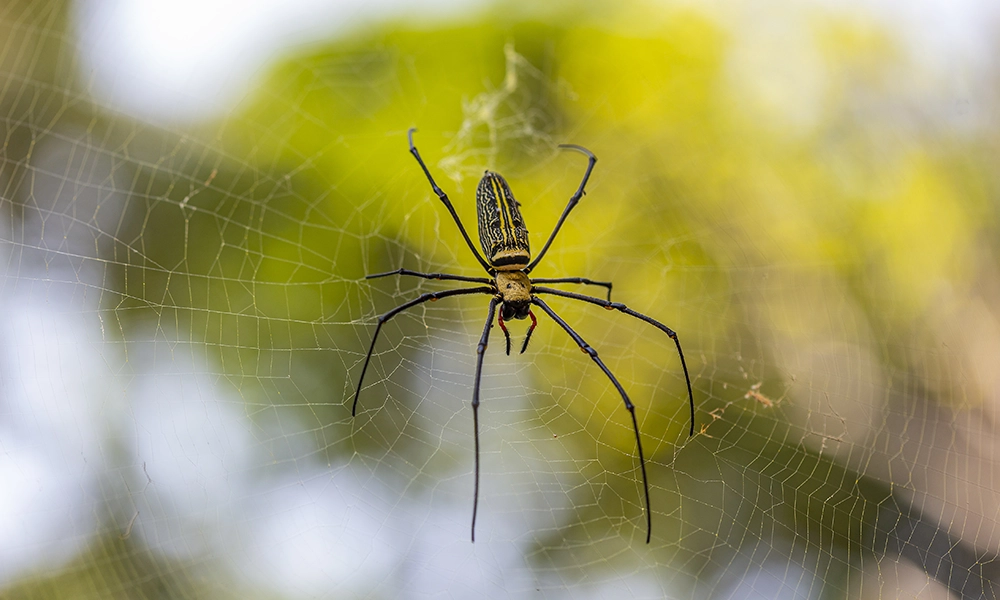
There’s no way around it – spiders can send a chill up your spine. Especially if you spot one scurrying across your floor or lurking in a corner. And in Atlanta, you may find yourself face-to-face with a range of spiders, some of which could pose a real threat. While most spiders are harmless and even beneficial for natural pest control, it’s essential to know which spiders you might need to keep an eye out for and what steps you can take if you discover one in your home.
Let’s take a closer look at some common and potentially dangerous spiders in Atlanta and a few tips to stay spider-free.
Identifying Dangerous Spiders in Atlanta
Atlanta’s warm, humid climate is perfect for a variety of spider species. While the vast majority aren’t dangerous, and many won’t even come inside, some spiders pose a health risk to you or your family if they feel threatened. Learning to identify these dangerous species can help you better understand which spiders to avoid and when to take action.
1. Brown Recluse
The Brown Recluse is one spider you definitely don’t want to encounter. Known for the violin-shaped marking on its back, this spider is infamous for its venomous bite, which can cause tissue necrosis in severe cases. Brown Recluse spiders are typically brown and relatively small, measuring about 1/4 to 3/4 inches long.
Habitat: The Brown Recluse prefers dark, undisturbed places such as basements, closets, and sheds. In the wild, you might find them in woodpiles or under rocks. Indoors, they’re more likely to be in spaces that are rarely accessed, like cardboard boxes in your attic.
What to Look Out For: These spiders usually bite only if they feel trapped, such as if they’re inside a shoe or piece of clothing. Their venom can take several hours to cause symptoms, including redness, swelling, and intense pain. In some cases, the bite may develop into an open sore that can take weeks to heal.
2. Black Widow
The Black Widow is another dangerous spider found in Atlanta, though it is more commonly encountered outdoors. Known for its glossy black body and red hourglass marking on the underside of its abdomen, the Black Widow is easily identifiable and has a reputation as one of the most venomous spiders in North America.
Habitat: Black Widows prefer secluded, dimly lit areas and are often found around garages, sheds, and woodpiles. They’re not typically aggressive and will often retreat unless disturbed, but a bite can occur if they’re accidentally pressed against the skin.
What to Look Out For: A Black Widow bite is immediately painful, causing symptoms like muscle pain, cramping, and, in severe cases, nausea or vomiting. Though bites can be serious, especially in young children and the elderly, anti-venom is available for treatment.
3. Woodlouse Spider
The Woodlouse Spider has become a common sight in Atlanta homes, especially in damp environments. Recognizable by its reddish body and cream-colored abdomen, this spider preys primarily on woodlice or pillbugs, hence its name. It has long, sharp fangs that can puncture human skin, though its bite isn’t generally dangerous to humans.
Habitat: Woodlouse Spiders are often found in damp environments, such as basements or crawl spaces. They’re nocturnal hunters and can sometimes be spotted at night.
What to Look Out For: While their bite can be painful, the Woodlouse Spider’s venom is not harmful to humans. If bitten, the pain typically subsides without the need for medical attention.
4. Wolf Spider
Wolf Spiders are common in Georgia and are known for their speed and hunting prowess. They are larger than most house spiders and are typically brown with distinctive markings, often mistaken for the Brown Recluse due to their similar size and color.
Habitat: These spiders don’t spin webs; instead, they hunt their prey by chasing it down. You’ll often find them in gardens, garages, and sometimes indoors, especially if they’re seeking warmth during cooler months.
What to Look Out For: Although Wolf Spiders look intimidating, their bite is generally harmless to humans. Some swelling and mild pain may occur if bitten, but symptoms are typically short-lived and don’t require medical attention.
5. Yellow Sac Spider
Yellow Sac Spiders are small, pale yellow spiders commonly found in Georgia homes. They’re known for creating small, silk sacs in corners of walls, ceilings, or other quiet spots around the house.
Habitat: These spiders are indoor dwellers, commonly found in corners or hidden crevices. They can also be found outdoors, hiding under leaves and in low foliage.
What to Look Out For: The bite of a Yellow Sac Spider can cause a burning sensation, mild swelling, and, in rare cases, tissue damage similar to a mild Brown Recluse bite. However, the effects are usually minor and don’t require medical intervention unless severe symptoms occur.
The Most Dangerous Spider: Sydney Funnel-Web Spider
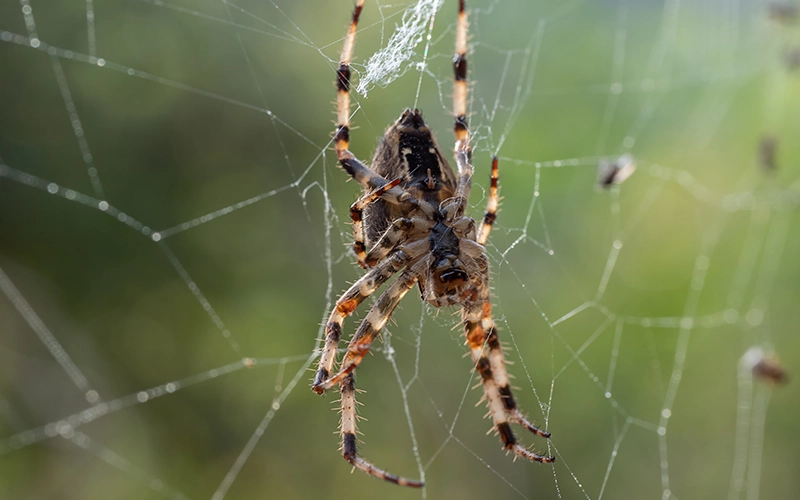
While the Sydney Funnel-Web Spider isn’t native to Atlanta, it’s worth mentioning due to its notorious reputation. Native to Australia, this spider is often deemed one of the most dangerous spiders globally. Its venom is highly toxic, especially in males, and can be lethal if not treated quickly with anti-venom. Recognizable by its large, black, shiny body, the Sydney Funnel-Web Spider typically resides in moist environments.
Important Note: While you won’t encounter the Sydney Funnel-Web Spider in Atlanta, it’s essential to exercise caution with any large, black spider and avoid handling unfamiliar species. Always contact a pest control professional if you suspect a dangerous spider in your home.
Recognizing Signs of a Spider Infestation
Before panicking at the sight of a spider, it’s helpful to know what constitutes a real infestation. Here are some signs to watch for that may indicate your home has more than just a few stray spiders:
- Frequent Sightings: Seeing multiple spiders in different rooms or consistent sightings in one area of the home could be a sign of an infestation.
- Spider Webs: Different spiders create different types of webs. For example, a funnel-shaped web may signal a Funnel-Web Spider, whereas a chaotic web might belong to a house spider.
- Egg Sacs: Spider egg sacs look like small, silken cocoons, often found in corners, on ceilings, or tucked into hidden crevices.
- Shedding or Molting: Spiders molt as they grow, shedding their exoskeletons in the process. Finding these discarded skins around your home can indicate that spiders are living and growing in your space.
Why You’re Seeing More Spiders
Spiders tend to become more visible during certain times of the year, especially in the fall when they’re seeking warm shelter indoors. Here are some reasons why you might notice an increase in spider sightings in your Atlanta home:
- Seasonal Changes: Cooler temperatures often drive spiders indoors. The fall is a particularly common time for sightings as spiders look for warmer spaces to survive through the winter.
- Clutter and Storage Areas: Spiders are drawn to cluttered spaces because they offer plenty of hiding spots. Storing cardboard boxes, clothing, and other items in basements or attics creates ideal environments for spiders to thrive.
- Other Pests: Spiders feed on insects, so a high insect population in your home can attract them. Regular pest control can help reduce this food source and prevent spiders from making a home inside your house.
Benefits of Regular Pest Inspection
To keep spiders and other pests out of your home, one of the best proactive measures is scheduling regular pest inspections. A professional pest inspection can help detect and prevent infestations before they become severe. With regular inspections, you can address any issues that might attract spiders, such as excess insects or conducive conditions for nesting.
DIY Spider Control Tips
While professional pest control is the most effective solution for serious infestations, there are several steps for DIY pest control that can help keep spiders at bay. Here are a few tips to try at home:
- Keep Your Home Clean: Regular cleaning, especially in undisturbed areas like basements, closets, and under furniture, can help deter spiders.
- Seal Entry Points: Close off cracks and gaps around windows, doors, and the foundation of your home to prevent spiders from getting inside.
- Reduce Clutter: Cluttered spaces give spiders plenty of places to hide. Organizing and decluttering your home can make it less inviting.
- Turn Off Outdoor Lights: Outdoor lighting attracts insects, which in turn attract spiders. Turning off unnecessary lights at night can help minimize this effect.
The Role of Professional Pest Control
While DIY methods can help manage small-scale spider problems, a full-blown infestation often requires professional intervention. Pest control professionals can conduct a thorough inspection, identify problem areas, and apply targeted treatments to eliminate spiders and prevent them from coming back. They can also offer advice on keeping your home spider-free throughout the year.
In addition to chemical treatments, pest control companies may use eco-friendly options, particularly important for families with pets or small children. Absolute Best Pest Control, for example, offers various options tailored to suit different household needs.
Conclusion: Staying Spider-Free in Atlanta
Atlanta is home to many spider species, some of which pose potential risks if not managed correctly. While spiders like the Brown Recluse and Black Widow are uncommon, it’s essential to know the signs and take action if they appear in your home.
For a safer, spider-free home, maintaining regular pest control practices, such as reducing clutter, sealing entry points, and eliminating other insects, can help. In severe cases, it’s always wise to seek local pest control services to effectively handle any spider issues.
Related Posts

Woodlouse Spider in Your Home? Here’s What to Do
When it comes to unexpected household guests, spiders often top the list of unwelcome visitors.…

Flies in Your Restaurant? Here is How to Handle Them
Flies in your restaurant can quickly turn a pleasant dining experience into a customer complaint.…

How to Be Fully Prepared for a Restaurant Health Inspection
Health inspections can feel like a daunting task for any restaurant owner or manager. The…
Leave a Reply