
Can Bed Bugs Live in Your Hair? Facts vs. Myths
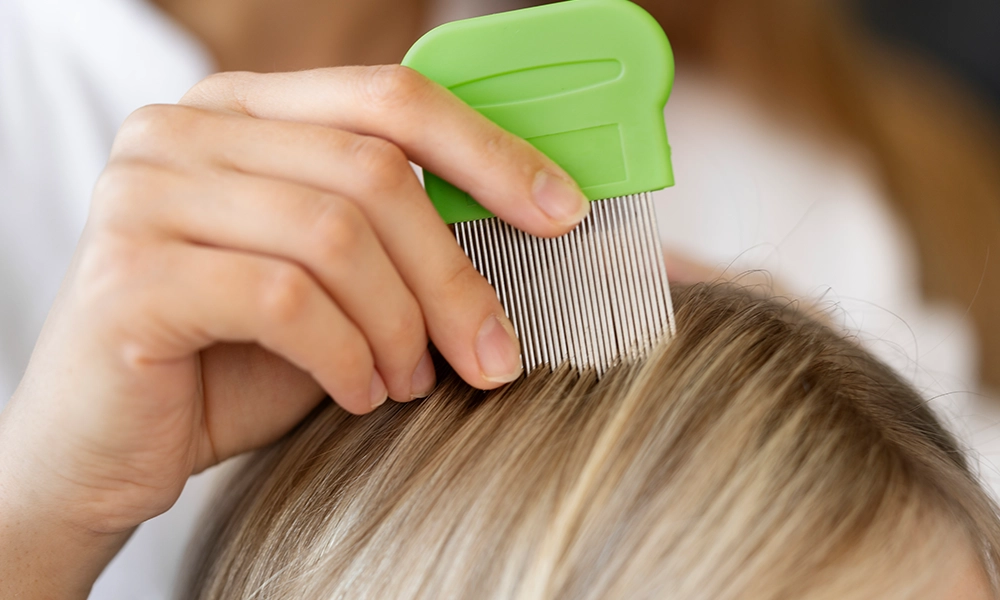
Bed bugs – just the thought of them can make anyone’s skin crawl. These tiny, flat-bodied insects have earned a reputation for causing discomfort, particularly due to their infamous nighttime feeding habits. If you’re worried about the possibility of bed bugs in your hair, you’re not alone. Many people wonder if these pests can take refuge on our bodies, especially in areas that are hard to reach, like the scalp.
In this article, we’ll explore the likelihood of bed bugs getting in your hair, the specific behaviors of these pests, and what you can do to protect yourself. We’ll also cover some common myths and misconceptions about bed bugs, as well as provide practical solutions to manage and prevent infestations.
What Are Bed Bugs and How Do They Behave?
Bed bugs (Cimex lectularius) are small, oval-shaped insects about the size of an apple seed. They are parasites that rely on the blood of mammals, primarily humans for their survival. Bed bugs have an impressive ability to hide in tiny crevices around your home, such as mattress seams, bed frames, and even within cracks in walls or floors.
One reason bed bugs can be so difficult to detect is their behavior. They are primarily nocturnal and tend to emerge at night when their hosts are dormant. Their flat bodies allow them to squeeze into even the smallest hiding places, ensuring they can remain out of sight for long periods of time.
Are Bed Bugs Attracted to Hair?
A common myth is that bed bugs prefer to live in hair. This belief likely stems from the fact that certain other parasites, such as lice, target the scalp and hair as their primary habitats. However, bed bugs are not well-adapted to living in human hair. Unlike lice or ticks, they lack the clawed legs necessary for navigating and clinging to hair follicles. Instead, they prefer to nest in areas that allow them easy access to a host’s skin, but without the challenge of moving through dense hair.
It’s highly unlikely for bed bugs to take up residence on your scalp. However, it’s possible that a bed bug might briefly crawl across your hair as it searches for exposed skin.
Do Bed Bugs Cause Hair Loss or Baldness?
There’s no scientific evidence to suggest that bed bugs cause hair loss or baldness. Since bed bugs prefer open skin areas rather than navigating hair, they don’t typically linger on the scalp or hair follicles. Unlike lice, which feed directly on the scalp, bed bugs don’t make a habit of staying in hair, so they don’t cause any issues related to hair loss.
However, if you’re experiencing hair loss, other factors like stress or scalp conditions may be the cause. In any case, bed bugs are not known to directly impact hair health.
Why Bed Bugs Avoid Hair
There are several reasons why bed bugs are unlikely to settle in hair:
Preference for Flat Surfaces: Bed bugs are adapted to living in spaces where they can lay flat, such as mattress seams or furniture crevices. Hair is simply not conducive to this behavior.
Feeding Habits: Bed bugs feed by piercing the skin and drawing blood. For this reason, they prefer exposed areas where they can feed quickly and easily. Bed bugs do not need to linger on a host’s body to digest their meal, unlike other parasites.
Inability to Grip: Bed bugs lack the clawed appendages that would allow them to cling to hair. Their legs are more suited to walking along flat surfaces than navigating through the dense environment of human hair.
These factors combined mean that while it is theoretically possible for a bed bug to come into contact with your hair, it is highly unlikely for it to remain there.
Can Bed Bugs Enter the Scalp Area?
While bed bugs rarely venture into the scalp, it’s possible for one to end up there briefly as it searches for accessible skin. For example, if a bed bug crawls across your pillow in search of an exposed arm or neck, it might brush against your hair. However, because they are not well-suited for navigating hair, they usually avoid these areas and prefer open skin for feeding.
In the rare cases where bed bugs come into contact with the scalp, they are unlikely to stay long. Most bed bug bites occur on areas of the body that are left uncovered, such as arms, legs, and necks, rather than the scalp.
How to Identify Bed Bug Bites and Signs of Infestation
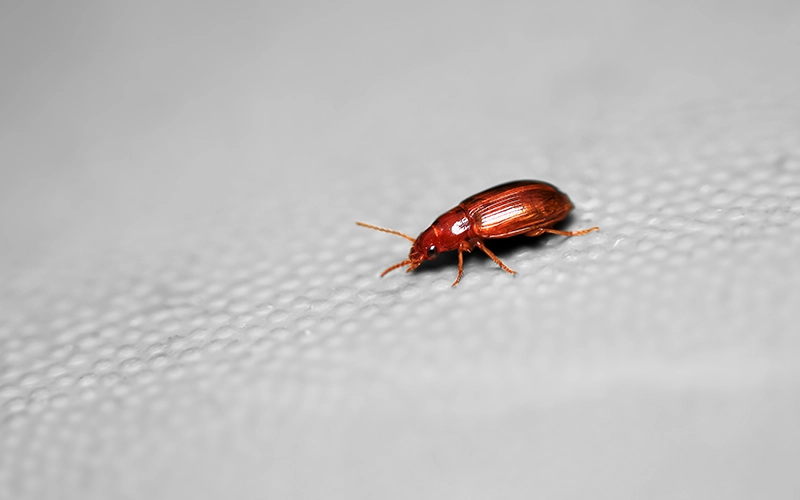
Bed bug bites can be identified by small, itchy red marks, often appearing in clusters or a line. Unlike mosquito bites, bed bug bites don’t typically swell, although some people may experience an allergic reaction that causes more severe itching or swelling.
If you suspect bed bugs in your home, look for these signs of infestation:
- Dark Stains: Small, dark spots on your sheets, mattress, or furniture. These could be bed bug excrement or crushed bugs.
- Molted Skins: As bed bugs grow, they shed their exoskeletons. Finding these exoskeletons near bedding or furniture can be a sign of an infestation.
- Musty Odor: Some people report a musty, sweet odor associated with large bed bug infestations. This smell is produced by bed bug pheromones.
Remember, while bites can be an indicator of bed bugs, the actual bugs and their signs are a more reliable way to identify an infestation.
Can You Have Bed Bugs in Places Other Than Your Bed?
It’s a common misconception that bed bugs only infest beds. These adaptable insects can spread to a variety of places, from bed bugs in the gym or even cars. Any area that provides small, dark spaces can serve as a potential hiding spot, making it essential to check furniture, clothing, and luggage if you suspect an infestation.
Bed bugs can spread easily, and while they do prefer locations close to their food source, which is generally the bed, they are not limited to this space.
How to Prevent Bed Bugs from Getting in Your Hair and Home
Although bed bugs typically avoid hair, there are several preventive steps you can take to minimize the risk of them entering your living space:
1. Keep Bedding Clean and Tidy
Regularly washing and drying your bedding on high heat can kill bed bugs at all life stages. It’s also a good idea to vacuum mattresses and other furniture where they may hide.
2. Inspect Hotel Rooms
When traveling, inspect hotel beds, furniture, and luggage stands. Bed bugs are skilled hitchhikers and can latch onto your belongings, making it easy for them to travel with you.
3. Store Luggage Carefully
When staying in unfamiliar places, keep your luggage elevated off the floor. Bed bugs are less likely to reach your belongings if they are kept on a luggage stand.
4. Minimize Clutter
Bed bugs thrive in cluttered spaces. Reducing clutter, especially around beds and sofas, can make it harder for bed bugs to find hiding spots.
5. Seal Cracks and Crevices
Bed bugs can enter through small cracks in walls, baseboards, or floorboards. Sealing these can reduce potential entry points for bed bugs in your home.
What to Do If You Suspect Bed Bugs
If you suspect bed bugs in your home or on your belongings, it’s important to act quickly. Bed bugs can reproduce rapidly, so early intervention can help prevent a minor issue from becoming a major infestation. Vacuuming, steaming, and sealing infested items can help manage the spread. In cases of severe infestation, professional pest control services can provide effective treatment options for getting rid of bed bugs.
The Bottom Line: Can Bed Bugs Really Get in Your Hair?
Although it’s possible for a bed bug to come into brief contact with your hair, it’s highly unlikely for them to make a home there. Bed bugs prefer dark, hidden places with easy access to exposed skin, making hair an impractical choice for their hiding spot. While bed bugs may cause discomfort and irritation, rest assured that their primary interest is finding accessible skin rather than navigating through your hair.
For those dealing with a bed bug problem, remember that these pests don’t limit themselves to beds alone. They can also hide in other areas throughout your home, so regular inspection and cleanliness are essential to prevention. Absolute Best Pest Control offers reliable pest infestation solutions to tackle bed bugs safely and effectively, ensuring your home stays free of these unwelcome intruders.
Related Posts

Woodlouse Spider in Your Home? Here’s What to Do
When it comes to unexpected household guests, spiders often top the list of unwelcome visitors.…

Flies in Your Restaurant? Here is How to Handle Them
Flies in your restaurant can quickly turn a pleasant dining experience into a customer complaint.…

How to Be Fully Prepared for a Restaurant Health Inspection
Health inspections can feel like a daunting task for any restaurant owner or manager. The…
Leave a Reply