
Best Bait for a Raccoon Trap: Safe and Humane Solutions
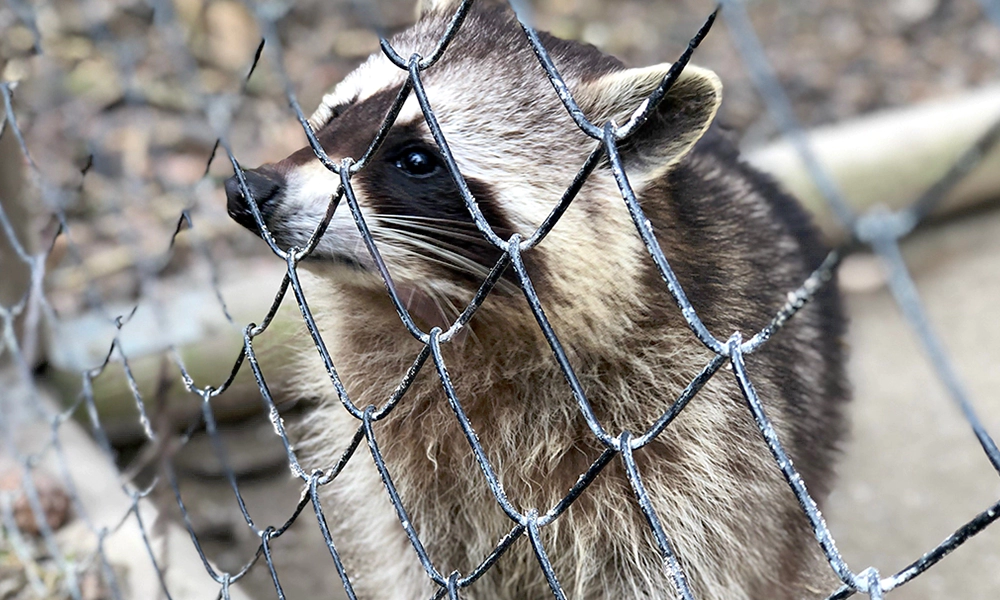
If you’ve found raccoons making a mess of your yard, rummaging through your garbage cans, or even finding their way into your attic, you’re not alone. These clever creatures are notorious for sneaking onto properties and causing all sorts of trouble. But don’t worry—there’s a safe and humane way to deal with the problem: trapping them. The key to trapping a raccoon successfully is choosing the right bait.
In this article, we’ll discuss the best bait for a raccoon trap, how to place it, and tips to make sure you lure them in. Let’s get started!
Why Raccoons Are Drawn to Your Property
Raccoons are opportunistic feeders, meaning they’ll go after just about anything they can find. They’re especially fond of areas with easy access to food sources like garbage cans, pet food, bird feeders, and gardens. Once they know where to find food, they’ll keep coming back. Unfortunately, their visits can cause damage to your property, including torn garbage bags, destroyed plants, and, in some cases, damaged insulation or wiring if they make their way into your home.
That’s why setting a trap is essential if you’ve noticed these signs. But a trap is only as good as the bait you use.
Choosing the Right Bait
Raccoons have a highly developed sense of smell. They’re drawn to food that’s sweet, fatty, or carries a strong odor. The bait you choose is crucial to ensuring you successfully trap the raccoon. Here are some of the best bait options, along with tips to maximize their effectiveness:
1. Marshmallows
It may surprise you, but marshmallows are one of the most effective baits for trapping raccoons. Raccoons are naturally drawn to items that resemble eggs, which they commonly raid from bird nests. Marshmallows mimic the look of eggs and their sugary sweetness acts as an additional lure.
Pro Tip: Use large, fluffy marshmallows to create a visual cue for raccoons. Place a few just outside the trap to guide the raccoon into the cage. The sweetness of marshmallows is potent enough to attract raccoons from a distance, making this bait a great option if you’re setting traps near entry points like attics or gardens.
2. Canned Cat Food
The strong, fishy scent of canned cat food makes it an irresistible bait for raccoons. Most cat foods, especially those with fish flavors like tuna or salmon, are pungent and can attract raccoons from quite a distance. The soft, wet texture makes it easy for raccoons to dig into the food, keeping their attention long enough to trigger the trap.
Pro Tip: When using canned cat food, scoop some onto a small plate or dish and place it at the back of the trap. This will make the raccoon fully enter the trap to reach the food, ensuring the door shuts behind it.
3. Peanut Butter
Peanut butter is a classic bait choice due to its sticky texture and strong, nutty aroma. Raccoons love the taste of peanut butter, and the scent carries well, making it a great bait for trapping. The sticky texture also prevents raccoons from grabbing the bait and running off without triggering the trap.
Pro Tip: For extra effectiveness, smear peanut butter onto a piece of bread or cracker. This gives the raccoon something substantial to nibble on, increasing the chances of it sticking around in the trap long enough to get caught.
4. Fresh Fruit
Raccoons are notorious for their love of sweet foods, and fresh fruit is high on their list of favorites. Apples, grapes, pears, watermelon, and peaches can all work well as bait. The natural sugars in these fruits release a sweet aroma that will catch a raccoon’s attention.
Pro Tip: Cut the fruit into bite-sized pieces and scatter a few near the entrance of the trap to create a trail. Place the largest, juiciest piece in the middle of the trap to lure the raccoon inside.
5. Fish (Fresh or Canned)
Fresh or canned fish is a surefire way to attract raccoons. The strong, pungent odor of fish travels quickly, especially in outdoor settings. Canned sardines or tuna work best since they come pre-packaged and the scent is easy to spread. Raccoons have a keen sense of smell, so even a small amount of fish can bring them toward the trap.
Pro Tip: Use a small can of sardines or tuna, open it just enough to let the scent escape, and place it at the back of the trap. This not only keeps the bait contained but also forces the raccoon to fully enter the trap to reach it.
6. Honey Buns or Sugary Pastries
Sugary pastries, like honey buns or donuts, work incredibly well because of their strong aroma and sweetness. Raccoons have a sweet tooth, and the combination of sugar and fat in these treats will lure them into the trap quickly.
Pro Tip: Break the honey bun or pastry into smaller pieces and place them both outside and inside the trap. The smell of baked goods will attract raccoons easily, especially if you’re dealing with traps near homes or garbage bins.
7. Raw Chicken or Meat Scraps
For a more traditional bait, raw chicken or meat scraps can also be highly effective. Raccoons are scavengers and love to pick at leftover food, especially meat. The strong scent of raw meat is particularly attractive and can draw them into traps set in wooded or rural areas.
Pro Tip: If using raw chicken, tie the meat to the trap’s bait holder or place it in a container so the raccoon can’t drag it away without triggering the trap. Meat is best used in areas where other pets or animals won’t accidentally wander into the trap.
8. Corn
Raccoons have been known to raid cornfields for a reason—they love corn! Whether it’s fresh off the cob or canned, corn can be an excellent bait option. The mild sweetness and crunchy texture make it a great treat for these critters.
Pro Tip: If using corn on the cob, break the cob into smaller sections and place it deep inside the trap. For canned corn, use the liquid as an additional attractant by drizzling it around the trap entrance.
9. Dog Food
Just like with canned cat food, raccoons find dry or canned dog food irresistible. The combination of meaty flavors and strong scent makes dog food a great option when other baits aren’t working.
Pro Tip: Mix some dog food with a little water or chicken broth to make the scent even stronger. Place it on a small dish inside the trap to keep the food contained and easier for the raccoon to access.
Where to Place the Bait
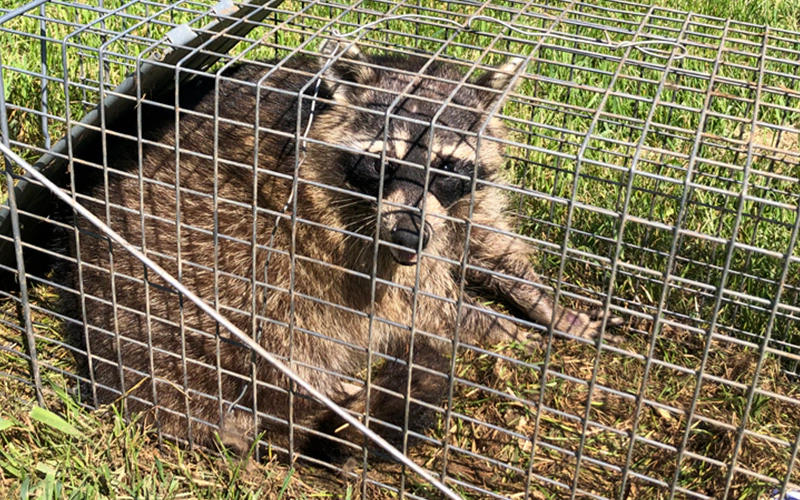
Once you’ve chosen the right bait, the placement is key to ensuring you catch the raccoon. Here’s what you need to know:
- Inside the Trap: Always place the bait at the very back of the trap, forcing the raccoon to walk fully inside before it can reach the food. This ensures the trap is triggered once the raccoon is fully inside.
- Around the Trap: To encourage a raccoon to approach the trap, sprinkle some bait outside and around the entrance. This will pique their curiosity and lead them into the trap.
- Use a Bait Holder: For messier baits like peanut butter, fish, or dog food, consider using a bait holder such as a small dish or foil to contain the food. This prevents the raccoon from reaching through the trap and taking the bait without triggering it.
Tips for Trapping Success
Here are some additional tips to make sure your trapping efforts are successful:
- Check the trap regularly: Once you’ve set the trap, be sure to check it frequently. You don’t want a raccoon (or any other animal) to be stuck inside for too long.
- Place the trap strategically: Position the trap in areas where you’ve seen raccoon activity, such as near garbage cans, gardens, or entry points like attic windows.
- Disguise the trap: Raccoons are cautious by nature. Cover the trap with leaves, branches, or a light tarp to help it blend into the environment and make the raccoon feel safe approaching it.
- Relocate humanely: Once you’ve successfully trapped a raccoon, make sure to relocate it safely and in accordance with local wildlife regulations. Many states require that animals be relocated a certain distance away from where they were trapped to ensure they don’t return.
When to Call a Professional
While trapping raccoons on your own is an option, it’s not always the best one. If you’re dealing with multiple raccoons or a persistent problem, it’s worth reaching out to a professional pest control service. Professionals can handle the trapping and relocation process for you, ensuring it’s done safely and humanely. Additionally, they can assist in identifying how raccoons are accessing your property and provide solutions to prevent future issues. For those dealing with wildlife intrusions, especially wildlife removal in Atlanta, a professional service can be a reliable and effective solution.
Conclusion
Choosing the right bait is essential for trapping raccoons effectively and humanely. Whether you go with sweet treats like marshmallows or honey buns, savory options like cat food and raw chicken, or simple favorites like corn and fruit, the key is to experiment and see which works best in your area. Remember, bait placement is just as crucial as the bait itself.
And if you’re dealing with a persistent raccoon problem, don’t hesitate to reach out to Absolute Best Pest Control for professional assistance. Our team is experienced in safely trapping and relocating raccoons, ensuring your property remains pest-free.
Related Posts

Woodlouse Spider in Your Home? Here’s What to Do
When it comes to unexpected household guests, spiders often top the list of unwelcome visitors.…

Flies in Your Restaurant? Here is How to Handle Them
Flies in your restaurant can quickly turn a pleasant dining experience into a customer complaint.…

How to Be Fully Prepared for a Restaurant Health Inspection
Health inspections can feel like a daunting task for any restaurant owner or manager. The…
Leave a Reply