
Can You Get Bed Bugs in Your Car? Signs and Solutions
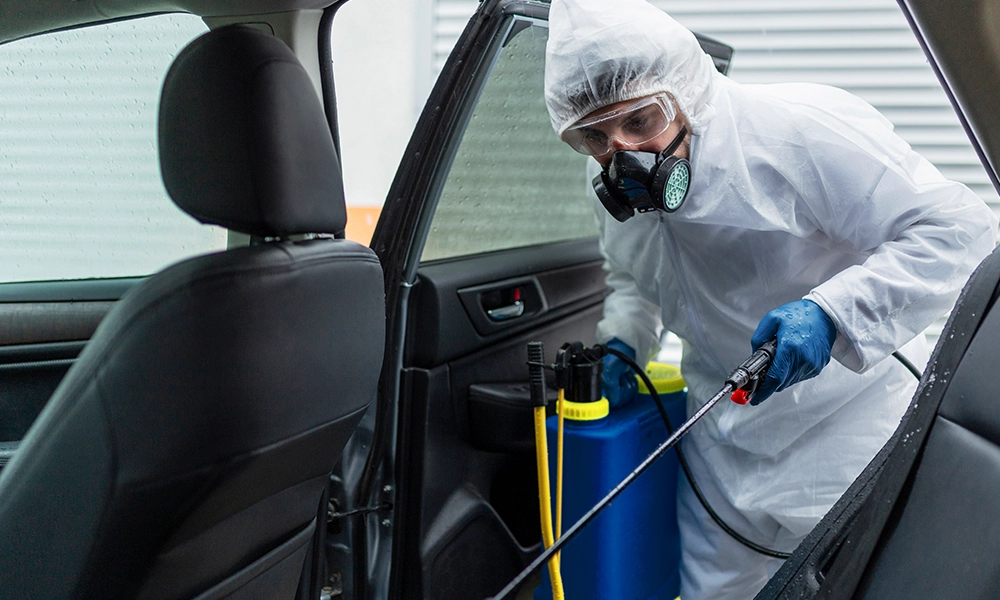
Bed bugs are notorious for invading beds, couches, and other furniture in homes. But what about vehicles? The thought of bed bugs crawling in your car may seem surprising, yet it can happen. Understanding how bed bugs could end up in your car and recognizing the signs of their presence can help you prevent a small problem from turning into a full-blown infestation.
While bed bugs don’t commonly infest vehicles as they do with beds and furniture, these pests can still hitch a ride in your car and make their way into your home. Let’s explore how bed bugs can get into your car, the signs of an infestation, and effective ways to handle the situation if they’re discovered.
How Bed Bugs Can End Up in Your Car
Though bed bugs are primarily found in sleeping areas, they’re expert hitchhikers. Bed bugs can travel on clothing, bags, or even in furniture, making it possible for them to end up in your car. Here’s how bed bugs may make their way into your vehicle:
Traveling or Commuting: Bed bugs often latch onto luggage, bags, and clothing when you travel or use public transportation. If you unknowingly bring them back from a hotel, an airplane, or a friend’s house, they can then transfer from your belongings into your car.
Secondhand Furniture or Items: Bed bugs can also spread through used furniture, clothing, or electronics purchased from a thrift shop or online marketplace. If these items have been in your car, there’s a chance bed bugs have left behind a few of their own.
Visitors and Passengers: Friends, family, or passengers can bring bed bugs into your vehicle unknowingly, especially if they’ve been exposed to bed bugs elsewhere. A few stray bugs on someone’s clothing or bag could transfer onto your car’s seats or floors.
Can Bed Bugs Survive in a Car?
The good news is that cars don’t provide the ideal habitat for bed bugs. Unlike homes, cars lack soft bedding and regular human presence during sleep, which is when bed bugs are most active. However, bed bugs are resilient and can endure unfavorable conditions, particularly in cooler weather. Here’s how various conditions impact their survival:
Temperature: Extreme temperatures, either very hot or cold, can kill bed bugs. However, moderate temperatures make it possible for them to survive in a car, especially during milder seasons.
Access to Hosts: Bed bugs prefer areas where they have regular access to hosts for feeding. They may go into a dormant state in a car if feeding opportunities are scarce, allowing them to survive for weeks or even months without a meal.
Signs of Bed Bugs in Your Car
Identifying a bed bug problem in your car is similar to spotting signs of these pests in your home. Bed bugs are tiny, elusive, and experts at hiding, so you may need to inspect thoroughly to confirm an infestation. Look out for these common signs of bed bugs in your vehicle:
Tiny, Rust-Colored Stains: Bed bugs leave behind small stains that are often rusty or brown. These stains are typically bed bug fecal spots, which might appear on seats, mats, or upholstery.
Shed Exoskeletons or Bed Bug Shells: Bed bugs shed their skin as they grow. These tiny, translucent shells can sometimes be found in crevices, seat seams, or under floor mats.
Bed Bug Eggs or Nymphs: Bed bug eggs are very small, whitish, and often found in hidden areas like the edges of car seats, floor mats, or upholstery seams.
Itchy Bites on Your Skin: If you start noticing itchy, red bites on your arms or legs after spending time in your car, it could be a sign that bed bugs have found a temporary home there.
A Musty Odor: In severe infestations, bed bugs release a musty odor. While this is rare in vehicles, it can happen if a significant number of bed bugs are present.
Steps to Inspect Your Car for Bed Bugs
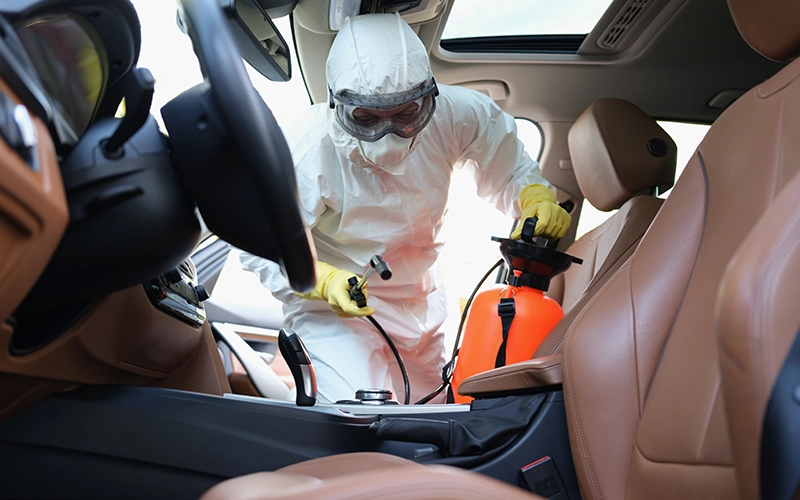
Checking your car for bed bugs requires patience and a careful eye. Here’s a quick guide to inspecting your vehicle:
- Seats and Upholstery: Check the seams, edges, and fabric of your seats. Bed bugs often hide in the folds or stitching areas.
- Floor Mats and Carpeting: Remove floor mats to check underneath for signs of bed bugs. Inspect the carpeted areas for any staining or shell casings.
- Trunk and Storage Areas: These are often overlooked but can harbor bed bugs if you’ve transported any infested items. Check the trunk for signs, especially if you’ve recently moved luggage or secondhand items.
- Glove Compartment and Consoles: Bed bugs might hide in small compartments, especially if these areas contain clutter or soft materials.
Remember, bed bugs are small and can be challenging to spot, so a thorough and detailed inspection is necessary to ensure you catch any signs of their presence.
How to Remove Bed Bugs from Your Car
If you find evidence of bed bugs in your car, it’s essential to act quickly to prevent them from spreading to your home. While cars don’t generally provide an ideal living environment for bed bugs, the following methods can help you get rid of them:
- Vacuum Thoroughly: Vacuuming your car’s seats, floor mats, and carpets can help remove bed bugs, eggs, and other debris. Make sure to use attachments that allow you to get into tight spaces, like seat creases and under mats. Dispose of the vacuum bag immediately after.
- Steam Cleaning: Using a steamer can kill bed bugs on contact due to the high temperatures. Focus on the seats, carpeting, and any fabric surfaces, as heat is one of the most effective methods to get rid of bed bugs. Ensure all areas are thoroughly treated.
- Diatomaceous Earth: This natural powder can help eliminate bed bugs by dehydrating them. Apply a light dusting to areas like the floor mats, under seats, and in seams. Leave it for a few days before vacuuming up the residue.
- High-Temperature Treatment: In warmer climates, you can use natural heat to your advantage by parking your car in direct sunlight with the windows up for several hours. Bed bugs cannot survive extreme heat, making this a practical solution.
- Professional Bed Bug Removal Services: For persistent infestations, consider consulting with pest control professionals. Even though cars are less common infestation sites, a thorough and expert treatment can help eliminate bed bugs entirely. There are reasons to choose professional bed bug removal, especially if initial efforts aren’t effective.
How to Prevent Bed Bugs from Entering Your Car
Preventing bed bugs in your car is often easier than dealing with an infestation. Here are some simple measures to keep bed bugs out:
Inspect Belongings: If you’ve stayed at a hotel, used public transport, or visited a high-risk area, inspect your bags, clothing, and other belongings before placing them in your car.
Limit Used Item Purchases: Bed bugs can come from secondhand furniture, clothing, or other items. If you must transport these items, consider placing them in sealed bags and inspecting them before bringing them into your vehicle or home.
Regular Car Cleaning: Vacuuming and cleaning your car regularly can help prevent bed bugs from settling in. Clean up any clutter and check the car’s interior for signs of pests.
Can Bed Bugs Spread from Your Car to Your Home?
Unfortunately, bed bugs in your car can potentially make their way into your home. These pests are experts at hiding in small crevices, so they could latch onto your belongings and travel with you. Here’s how to minimize the chances of bed bugs spreading:
Check Before Entering Your Home: After being in your car, check clothing, bags, and other items before bringing them into the house.
Store Belongings Carefully: Keep bags and belongings that have been in your car away from your sleeping areas until you’ve checked them thoroughly.
Conclusion: Understanding the Risks and Staying Proactive
While it’s not common for bed bugs to infest vehicles, it’s certainly possible. Recognizing the signs early and taking proactive steps can help you avoid the hassle and discomfort of a full-blown infestation. Simple preventative measures and regular cleaning can go a long way in keeping bed bugs out of your car.
If you suspect that bed bugs have become a recurring problem, consulting with pest control experts may be the best course of action. A professional service can provide effective and lasting solutions, ensuring that your car and home remain pest-free.
With diligence, preventive measures, and, if needed, professional assistance, you can protect your spaces from these unwelcome passengers.
Related Posts

Woodlouse Spider in Your Home? Here’s What to Do
When it comes to unexpected household guests, spiders often top the list of unwelcome visitors.…

Flies in Your Restaurant? Here is How to Handle Them
Flies in your restaurant can quickly turn a pleasant dining experience into a customer complaint.…

How to Be Fully Prepared for a Restaurant Health Inspection
Health inspections can feel like a daunting task for any restaurant owner or manager. The…
Leave a Reply