
How Atlanta Homeowners Can Protect Their Homes from Mosquitoes
Summer in Atlanta is a time for backyard barbecues, evening walks, and relaxing by the pool. But along with the warm weather comes one of the South’s most annoying pests—mosquitoes. For many homeowners, these tiny, relentless creatures can turn a peaceful evening into a battle against bites. Mosquitoes aren’t just irritating; they can carry diseases like West Nile Virus, Zika, and more. Fortunately, with the right knowledge and tools, you can significantly reduce the number of mosquitoes buzzing around your property.
In this guide, we’ll break down everything Atlanta homeowners need to know about mosquito prevention, from understanding the mosquito life cycle to using the most effective repellents and yard treatments.
Understanding Mosquitoes: Why They’re Attracted to Your Yard
Before diving into prevention tips, it’s essential to understand why mosquitoes flock to your home in the first place. Mosquitoes are attracted to standing water, where they lay their eggs, as well as carbon dioxide and body heat. This means a few neglected areas in your yard could be inviting these pests to breed.
Key Mosquito Attractants
Standing Water: Mosquitoes need water to lay their eggs. Even something as small as a bottle cap filled with water can become a breeding ground.
Tall Grass and Bushes: These pests love cool, shaded areas during the day. If your grass is long or shrubs are overgrown, mosquitoes will find refuge there.
Humans and Pets: The carbon dioxide we exhale and the body heat we emit attract mosquitoes. If you’re outside, mosquitoes are too.
Step 1: Eliminate Breeding Grounds
The first step in any mosquito prevention strategy is to remove the places where mosquitoes breed. Since mosquitoes need standing water for their eggs, Atlanta homeowners should be diligent about eliminating any stagnant water around their property.
Easy Steps to Remove Standing Water
Check Gutters and Drains: Make sure they are clean and draining properly to avoid water buildup.
Empty Containers: Flower pots, buckets, and even kids’ toys can collect rainwater. Empty them regularly.
Clean Bird Baths: If you have a birdbath, change the water at least once a week.
Fill in Low Areas: If your yard has spots where water pools after it rains, consider leveling these areas or adding drainage solutions.
By addressing these common water sources, you can greatly reduce mosquito populations before they even have a chance to hatch.
Step 2: Maintain Your Yard
Once you’ve tackled standing water, it’s time to make your yard less inviting to adult mosquitoes. Keeping your yard well-maintained can go a long way in deterring these pests.
Yard Maintenance Tips
Mow Your Lawn Regularly: Mosquitoes love to hide in tall grass, so keeping your lawn trimmed is essential.
Trim Shrubs and Bushes: Overgrown plants provide shade and shelter for mosquitoes. Regular trimming will reduce the number of hiding spots.
Use Mulch Sparingly: While mulch is great for your garden, it can also trap moisture, which attracts mosquitoes. Consider using gravel or stone around high-traffic areas like patios or walkways.
Step 3: Use Effective Mosquito Repellents
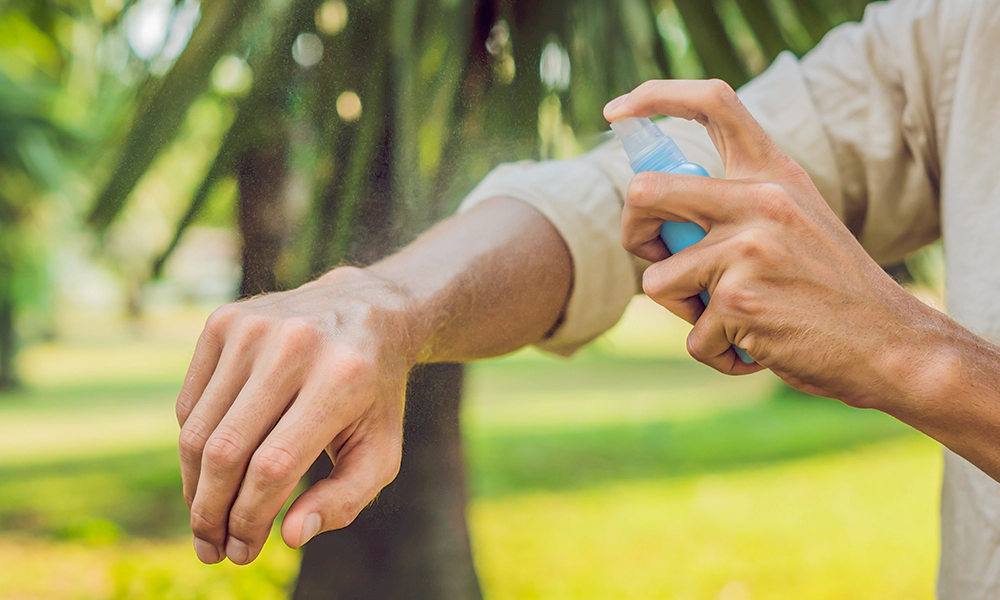
While maintaining your yard is crucial, sometimes you need a more direct approach. Using mosquito repellents can help keep these pests at bay, whether you’re enjoying a quiet evening outside or hosting a backyard party.
Best Mosquito Repellent Options
DEET-Based Repellents: These are highly effective at keeping mosquitoes away for several hours. Look for products with 20% to 30% DEET for optimal protection.
Picaridin: Another great option, picaridin is as effective as DEET but without the greasy feel or strong smell.
Lemon Eucalyptus Oil: If you prefer a more natural option, lemon eucalyptus oil can repel mosquitoes effectively for up to six hours.
For long-lasting protection, especially during mosquito-heavy times of the year, using a Best Mosquito repellent regularly will help keep you and your family safe from bites.
Step 4: Treat Your Yard
In addition to personal mosquito repellents, treating your yard can further reduce the mosquito population. This is especially important for Atlanta homeowners, as the humid climate creates the perfect environment for mosquitoes to thrive.
Yard Treatment Options
Insecticides: There are many yard sprays available that target mosquitoes. These treatments can last several weeks and are particularly useful before hosting outdoor events.
Mosquito Traps: Devices that attract mosquitoes and trap them can be set up around your yard to reduce the population over time.
Natural Predators: Encourage natural mosquito predators like birds, bats, and dragonflies by creating a habitat for them. Installing a bat house or planting mosquito-repellent plants like citronella and lavender can help as well.
Yard treatments, combined with regular maintenance, will keep mosquitoes under control and make your outdoor space more enjoyable.
Step 5: Professional Mosquito Infestation Control
If you’ve done everything right and mosquitoes are still a problem, it may be time to call in the professionals. Mosquito infestation control services can help eliminate large-scale mosquito populations and provide ongoing protection throughout the mosquito season.
A professional pest control service can assess your property, identify problem areas, and apply treatments that are more potent and longer-lasting than DIY options. These services are particularly beneficial for homeowners with large properties or areas with heavy mosquito activity.
Preventing Mosquitoes Indoors
While most mosquitoes prefer to stay outdoors, they can find their way inside your home. Here’s how to keep them from becoming unwanted house guests:
Indoor Mosquito Prevention Tips
Install Window Screens: Make sure your windows and doors have intact screens to prevent mosquitoes from entering your home.
Use Fans: Mosquitoes are weak fliers. Setting up fans in your home, especially in areas where you gather, can help keep mosquitoes away.
Close Doors Quickly: Don’t leave doors open for long periods, especially during peak mosquito hours (dawn and dusk).
By following these simple steps, you can reduce the likelihood of mosquitoes invading your indoor spaces.
When to Call a Professional
As much as we’d like to handle everything ourselves, some mosquito problems require professional intervention. If your DIY methods aren’t working, it may be time to reach out to Absolute Best Pest Control for expert advice and treatment options. Whether you need help identifying breeding grounds or want to schedule regular yard treatments, pest control professionals can provide long-term solutions to keep your home mosquito-free.
Conclusion
Mosquito prevention is essential for Atlanta homeowners looking to enjoy the summer without constant bites. By eliminating breeding grounds, maintaining your yard, using repellents, and considering professional mosquito control services, you can significantly reduce mosquito populations around your home. Whether you prefer natural methods or chemical treatments, a combination of strategies will offer the best protection.
And when mosquitoes become too much to handle, don’t hesitate to reach out to experts like Absolute Best Pest Control. Their pest extermination services will help ensure that mosquitoes and other pests are no longer a problem.
By following these tips, you can reclaim your outdoor space and enjoy all that summer in Atlanta has to offer, without the buzz of mosquitoes ruining your fun.
Related Posts

Woodlouse Spider in Your Home? Here’s What to Do
When it comes to unexpected household guests, spiders often top the list of unwelcome visitors.…

Flies in Your Restaurant? Here is How to Handle Them
Flies in your restaurant can quickly turn a pleasant dining experience into a customer complaint.…

How to Be Fully Prepared for a Restaurant Health Inspection
Health inspections can feel like a daunting task for any restaurant owner or manager. The…
Leave a Reply